

What is the viewing angle of a PTZ camera?
As a supplier of PTZ (Pan-Tilt-Zoom) cameras, I often encounter questions from customers about the viewing angle of these versatile devices. Understanding the viewing angle of a PTZ camera is crucial for anyone looking to install a surveillance system, whether it's for a small business, a large industrial complex, or a residential property. In this blog post, I'll delve into the concept of viewing angle, how it affects camera performance, and what factors you should consider when choosing a PTZ camera based on its viewing capabilities.
Defining the Viewing Angle
The viewing angle of a PTZ camera refers to the extent of the area that the camera can capture in a single frame. It is typically measured in degrees and is divided into two main components: the horizontal viewing angle and the vertical viewing angle. The horizontal viewing angle determines how wide the camera can see from left to right, while the vertical viewing angle dictates how much it can capture from top to bottom.
For example, a camera with a horizontal viewing angle of 90 degrees can cover a width equivalent to a 90-degree arc in front of it. This means that if the camera is mounted in the center of a room, it can capture a significant portion of the room's width. Similarly, a vertical viewing angle of 60 degrees allows the camera to cover a 60-degree arc vertically, enabling it to capture objects at different heights within its field of view.
Factors Affecting the Viewing Angle
Several factors can influence the viewing angle of a PTZ camera. One of the most significant factors is the focal length of the camera's lens. The focal length is the distance between the lens and the image sensor when the subject is in focus. A shorter focal length generally results in a wider viewing angle, while a longer focal length narrows the field of view but provides a more magnified image.
Another factor is the type of lens used. Wide-angle lenses are designed to provide a broader viewing angle, making them ideal for surveillance applications where a large area needs to be monitored. On the other hand, telephoto lenses have a narrower viewing angle but offer greater magnification, allowing the camera to capture details from a distance.
The camera's mounting position and orientation also play a crucial role in determining the effective viewing angle. Mounting the camera at a higher elevation or adjusting its tilt and pan angles can significantly expand or restrict the area it can cover. For instance, mounting a camera on a ceiling can provide a wider overhead view, while tilting it downward can focus on a specific area on the ground.
Importance of Viewing Angle in Surveillance
The viewing angle of a PTZ camera is a critical consideration in surveillance applications. A wider viewing angle allows the camera to cover a larger area, reducing the number of cameras needed to monitor a specific space. This not only saves on equipment costs but also simplifies the installation and management of the surveillance system.
In addition, a wider viewing angle can enhance the overall effectiveness of the surveillance system by providing a more comprehensive view of the monitored area. This can help detect potential threats or incidents more quickly and accurately, improving the security of the premises.
However, it's important to note that a wider viewing angle may come at the expense of image quality and detail. As the viewing angle increases, the camera's ability to capture sharp, clear images may decrease, especially at the edges of the frame. Therefore, it's essential to strike a balance between the viewing angle and the desired level of image quality when selecting a PTZ camera.
Our PTZ Camera Offerings
At our company, we offer a wide range of PTZ cameras with different viewing angles to meet the diverse needs of our customers. Whether you're looking for a camera with a wide-angle lens for large-area surveillance or a telephoto lens for long-range monitoring, we have the perfect solution for you.
One of our popular products is the 316 Stainless Steel EXD II CT6 Explosion-proof Pan Tilt Head for Hazardous Areas. This rugged and reliable pan-tilt head is designed for use in hazardous environments, such as oil refineries, chemical plants, and mining operations. It features a high-precision motor system that allows for smooth and accurate pan and tilt movements, ensuring optimal coverage of the monitored area.
Another option is the Outdoor Heavy Duty Intelligent Variable Speed Pan Tilt. This outdoor-rated pan-tilt unit is built to withstand harsh weather conditions and is ideal for use in outdoor surveillance applications, such as parking lots, stadiums, and industrial sites. It offers variable speed control, allowing you to adjust the pan and tilt speed according to your specific needs.
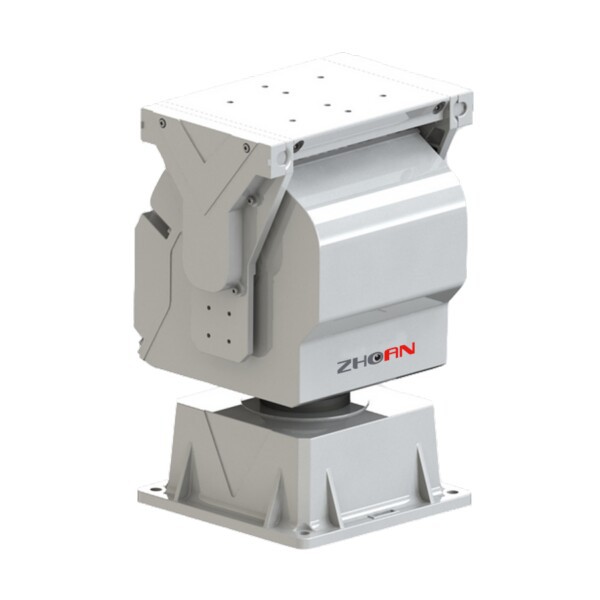
For medium-duty applications, we recommend the Variable Speed Medium Duty Motorized Pan Tilt Head With15kg (33.07lb) Payload. This versatile pan-tilt head is capable of supporting a payload of up to 15kg, making it suitable for mounting a variety of cameras and accessories. It features a variable speed motor system that provides smooth and precise control, ensuring accurate positioning of the camera.

Choosing the Right PTZ Camera Based on Viewing Angle
When choosing a PTZ camera based on its viewing angle, it's important to consider the specific requirements of your surveillance application. Here are some key factors to keep in mind:
- Area to be monitored: Determine the size and shape of the area you need to monitor. This will help you determine the appropriate viewing angle required to cover the entire area effectively.
- Desired level of detail: Consider the level of detail you need to capture. If you need to identify specific objects or individuals, a camera with a narrower viewing angle and higher magnification may be more suitable.
- Mounting options: Evaluate the available mounting options and the camera's compatibility with your existing infrastructure. This will ensure that the camera can be installed in the optimal position to achieve the desired viewing angle.
- Budget: Set a budget for your surveillance system and look for cameras that offer the best combination of viewing angle, image quality, and features within your price range.
Conclusion
In conclusion, the viewing angle of a PTZ camera is a crucial factor to consider when selecting a surveillance system. Understanding the concept of viewing angle, how it affects camera performance, and the factors that influence it can help you make an informed decision and choose the right camera for your specific needs.
At our company, we are committed to providing high-quality PTZ cameras with a wide range of viewing angles to meet the diverse requirements of our customers. If you have any questions or need assistance in selecting the right camera for your surveillance application, please don't hesitate to contact us. We would be happy to discuss your needs and provide you with a customized solution.
References
- "Surveillance Camera Handbook" by Eric Reich.
- "CCTV Camera Installation Guide" by SecurityInfoWatch.com.


