

Maintaining a high speed PTZ (Pan-Tilt-Zoom) camera is crucial for ensuring its optimal performance and longevity. As a supplier of high speed PTZ cameras, I understand the importance of proper maintenance to keep these sophisticated devices operating at their best. In this blog post, I will share some essential tips and practices for maintaining a high speed PTZ camera.
Regular Cleaning
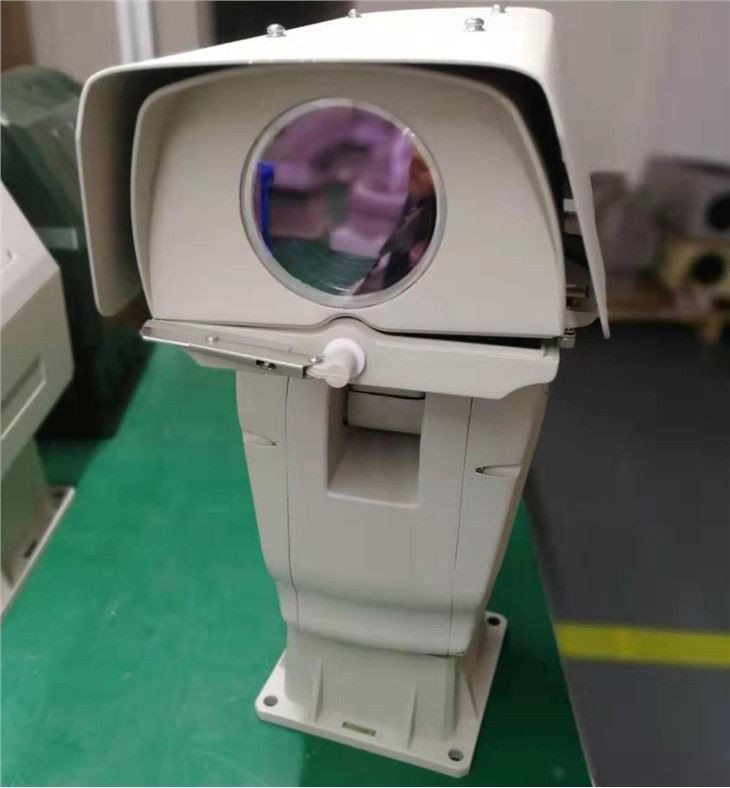
One of the most basic yet important maintenance tasks for a high speed PTZ camera is regular cleaning. Dust, dirt, and debris can accumulate on the camera lens, housing, and other components over time, which can affect the camera's image quality and functionality. To clean the camera, start by using a soft, dry cloth to gently wipe the lens and housing. Avoid using abrasive materials or harsh chemicals, as these can scratch the lens or damage the camera's finish.
For more stubborn dirt or stains, you can use a mild cleaning solution specifically designed for camera lenses. Apply the solution to a clean, lint-free cloth and gently wipe the lens in a circular motion. Be careful not to get any liquid inside the camera housing, as this can cause damage to the internal components.
In addition to cleaning the lens, it's also important to clean the camera's pan and tilt mechanisms. Use a small brush or compressed air to remove any dust or debris from the gears, bearings, and other moving parts. This will help to prevent friction and ensure smooth operation of the camera's pan and tilt functions.
Inspection and Calibration
Regular inspection and calibration are essential for maintaining the accuracy and performance of a high speed PTZ camera. Over time, the camera's pan and tilt mechanisms may become misaligned, which can cause the camera to produce distorted or inaccurate images. To ensure proper alignment, it's important to inspect the camera's pan and tilt angles regularly and make any necessary adjustments.
Most high speed PTZ cameras come with built-in calibration tools that allow you to adjust the pan and tilt angles. Follow the manufacturer's instructions to access the calibration menu and use the tools to make precise adjustments. If you're unsure how to calibrate the camera, consult the user manual or contact the manufacturer's technical support team for assistance.
In addition to inspecting and calibrating the pan and tilt angles, it's also important to check the camera's zoom function. Make sure the zoom lens is clean and free of any debris, and test the zoom function to ensure it's working properly. If you notice any issues with the zoom function, such as blurry or distorted images, it may be necessary to have the camera serviced by a professional technician.
Firmware Updates
Firmware updates are an important part of maintaining a high speed PTZ camera. Camera manufacturers often release firmware updates to fix bugs, improve performance, and add new features to the camera. To ensure your camera is running the latest firmware version, check the manufacturer's website regularly for updates.
When installing a firmware update, it's important to follow the manufacturer's instructions carefully. Make sure the camera is connected to a stable power source and that the update process is not interrupted. If the update process is interrupted, it can cause the camera to malfunction or become unusable.

Environmental Considerations
The environment in which a high speed PTZ camera is installed can have a significant impact on its performance and longevity. Extreme temperatures, humidity, and dust can all cause damage to the camera's internal components and affect its image quality. To protect the camera from these environmental factors, it's important to choose a suitable installation location and use appropriate protective measures.
When choosing an installation location, look for a place that is sheltered from direct sunlight, rain, and wind. Avoid installing the camera in areas with high levels of dust or pollution, as this can cause damage to the camera's lens and internal components. If possible, install the camera in a climate-controlled environment to help maintain a stable temperature and humidity level.
In addition to choosing a suitable installation location, it's also important to use appropriate protective measures to shield the camera from the elements. This may include using a weatherproof housing, installing a sunshade or rain guard, and using a dust filter to prevent dust from entering the camera.
Professional Maintenance
While regular cleaning, inspection, and calibration can help to keep a high speed PTZ camera in good working condition, it's also important to have the camera serviced by a professional technician on a regular basis. Professional maintenance can help to identify and address any potential issues before they become major problems, and can also help to extend the lifespan of the camera.
When choosing a professional technician to service your high speed PTZ camera, look for someone who has experience working with high speed PTZ cameras and who is familiar with the specific make and model of your camera. Make sure the technician is certified and insured, and ask for references from other customers who have used their services.
During a professional maintenance service, the technician will typically perform a thorough inspection of the camera, clean the internal and external components, calibrate the pan and tilt angles, and test the camera's functionality. They may also replace any worn or damaged parts, such as the lens, pan and tilt motors, or zoom lens.
Conclusion
Maintaining a high speed PTZ camera is essential for ensuring its optimal performance and longevity. By following the tips and practices outlined in this blog post, you can help to keep your camera in good working condition and avoid costly repairs or replacements. Remember to clean the camera regularly, inspect and calibrate it on a regular basis, install firmware updates as needed, consider the environmental factors, and have the camera serviced by a professional technician on a regular basis.
If you're in the market for a high speed PTZ camera, we offer a wide range of HD Intelligent High Speed PTZ Thermal Camera, Continuous Rotation PTZ PAN TILT Camera, and HD Long Distance Intelligent PTZ Camera to meet your specific needs. Our cameras are designed to provide high-quality images, fast pan and tilt speeds, and reliable performance in a variety of applications.
If you have any questions about our high speed PTZ cameras or need assistance with maintenance or calibration, please don't hesitate to contact us. We're here to help you get the most out of your camera and ensure its long-term success.
References
- Camera Manufacturer's User Manual
- Camera Manufacturer's Technical Support Documentation
- Industry Best Practices for PTZ Camera Maintenance


