

Selecting the appropriate gear ratio for a Pan Tilt Motor is crucial, especially when you're aiming for optimal performance. As a Pan Tilt Motor supplier, I've seen firsthand how the right gear ratio can make or break the functionality of a pan-tilt system. In this blog, I'll walk you through the key factors to consider when choosing the gear ratio for your Pan Tilt Motor.
Understanding Gear Ratios
Let's start with the basics. A gear ratio is the relationship between the number of teeth on two gears that are meshed together. In the context of a Pan Tilt Motor, the gear ratio determines how the motor's speed and torque are translated into the movement of the pan-tilt mechanism. A higher gear ratio means more torque but slower speed, while a lower gear ratio offers higher speed but less torque.
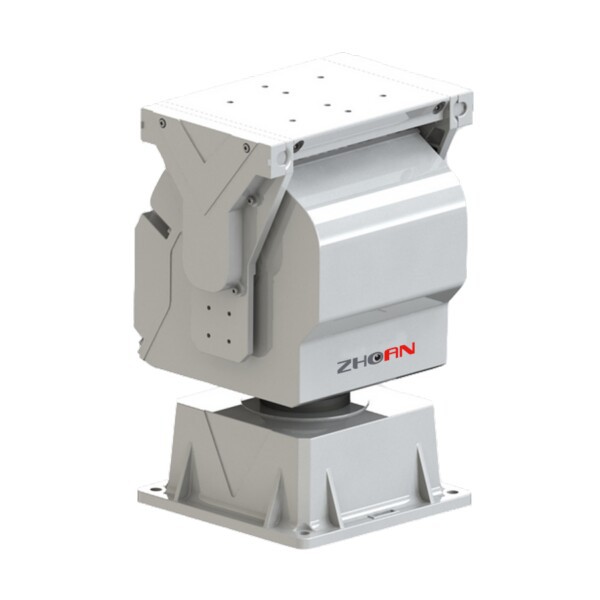

Factors to Consider When Selecting Gear Ratios
Load Requirements
The first thing you need to think about is the load that the Pan Tilt Motor will be carrying. If you're using the motor to move a heavy camera or other equipment, you'll need a higher gear ratio. This is because a higher gear ratio provides more torque, which is necessary to move the heavy load smoothly. For example, if you're using a ZA-PT520 Pan Tilt Positioner For Mouting Camera, which is designed to hold a camera, you'll need to ensure that the gear ratio can handle the weight of the camera and any additional accessories.
On the other hand, if the load is light, you can go for a lower gear ratio. This will allow the motor to move the load at a higher speed, which can be beneficial in applications where quick movement is required. For instance, a Vehicle Load PTZ Camera Applied To Robot might need to move quickly to track moving objects, so a lower gear ratio could be more suitable.
Speed Requirements
The speed at which you need the Pan Tilt Motor to move is another important factor. If you need the motor to move quickly, a lower gear ratio is the way to go. A lower gear ratio allows the motor to rotate the pan-tilt mechanism at a higher speed. However, keep in mind that a lower gear ratio also means less torque, so it might not be suitable for heavy loads.
If speed isn't as critical, and you need more precise and controlled movement, a higher gear ratio is better. A higher gear ratio provides more torque, which allows for smoother and more accurate movement. This is especially important in applications where the pan-tilt mechanism needs to be positioned precisely, such as in surveillance systems or industrial automation.
Accuracy Requirements
Accuracy is often a key consideration when choosing a Pan Tilt Motor. If you need the motor to position the pan-tilt mechanism with high accuracy, a higher gear ratio is usually required. A higher gear ratio reduces the amount of backlash, which is the play or movement between the gears. Less backlash means more precise movement and better accuracy.
For example, in a Outdoor Heavy Duty Intelligent Variable Speed Pan Tilt, which is used in outdoor environments where accurate positioning is crucial, a higher gear ratio can help ensure that the camera or other equipment is positioned correctly.
Efficiency
Efficiency is another factor to consider when selecting the gear ratio. A higher gear ratio generally means lower efficiency because more energy is lost in the transmission of power through the gears. On the other hand, a lower gear ratio is usually more efficient because there is less energy loss.
However, you need to balance efficiency with the other factors, such as load, speed, and accuracy. In some cases, the benefits of a higher gear ratio in terms of torque and accuracy might outweigh the loss in efficiency.
Calculating the Gear Ratio
Once you've considered the load, speed, accuracy, and efficiency requirements, you can start calculating the appropriate gear ratio. The formula for calculating the gear ratio is:
Gear Ratio = Number of Teeth on Driven Gear / Number of Teeth on Driving Gear
However, in most cases, you won't need to calculate the gear ratio from scratch. Most Pan Tilt Motor manufacturers provide a range of gear ratios to choose from, based on the motor's specifications and the intended application. You can simply select the gear ratio that best meets your requirements.
Testing and Validation
After you've selected the gear ratio, it's important to test and validate the performance of the Pan Tilt Motor. This can involve testing the motor with the actual load and in the intended environment. During the testing process, you can check the speed, torque, accuracy, and efficiency of the motor to ensure that it meets your requirements.
If you find that the performance of the motor is not satisfactory, you might need to adjust the gear ratio or consider other factors, such as the type of motor or the design of the pan-tilt mechanism.
Conclusion
Selecting the appropriate gear ratio for a Pan Tilt Motor is a complex process that requires careful consideration of several factors, including load, speed, accuracy, and efficiency. By understanding these factors and following the steps outlined in this blog, you can choose the gear ratio that best meets your requirements and ensures optimal performance of your pan-tilt system.
If you're in the market for a Pan Tilt Motor and need help selecting the right gear ratio or have any other questions, feel free to reach out. We're here to assist you in finding the perfect solution for your application. Let's start a conversation and see how we can work together to meet your needs.
References
- "Motor Handbook" - A comprehensive guide to motors and their applications.
- Manufacturer's specifications for Pan Tilt Motors.


