

In the realm of surveillance technology, the camera housing plays a pivotal role in safeguarding cameras from various environmental hazards. One of the most sought - after ratings for camera housings is IP66, which indicates a high level of protection against dust and water. But what about its radiation - protection performance? As a supplier of IP66 camera housings, I am here to delve into this topic and provide you with a comprehensive understanding.

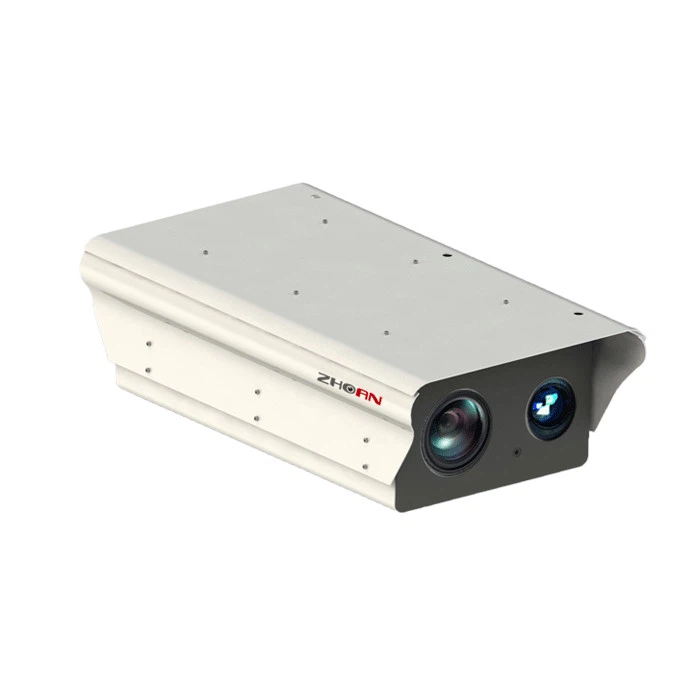
Understanding IP66 Rating
Before we discuss radiation protection, it's essential to understand what the IP66 rating means. The Ingress Protection (IP) code is an international standard that classifies the degrees of protection provided by enclosures for electrical equipment. The first digit in the IP code represents protection against solid objects, and a rating of 6 means "total protection against dust ingress." The second digit represents protection against water, and a rating of 6 indicates protection against powerful jets of water from any direction without harmful effects.
Radiation in the Surveillance Environment
Radiation in the surveillance environment can come from various sources. Natural radiation includes sunlight, which emits ultraviolet (UV) radiation. Artificial sources can include radio - frequency (RF) radiation from nearby wireless devices, electromagnetic radiation from power lines, and even ionizing radiation in some industrial settings. Each type of radiation poses different risks to the camera and its components.
Ultraviolet Radiation
UV radiation from sunlight can cause significant damage to camera housings and the cameras inside. Over time, UV exposure can lead to the degradation of plastics and other materials used in the housing. This degradation can result in discoloration, embrittlement, and loss of structural integrity. For cameras, UV radiation can also affect the image sensor, leading to reduced image quality and a shorter lifespan.
Radio - Frequency and Electromagnetic Radiation
RF and electromagnetic radiation can interfere with the normal operation of the camera. These types of radiation can cause electromagnetic interference (EMI), which may result in distorted images, signal loss, or even complete camera failure. In industrial or urban environments with a high density of wireless devices and power infrastructure, the risk of EMI is particularly high.
Ionizing Radiation
Although less common in typical surveillance applications, ionizing radiation can be a concern in certain industrial, medical, or nuclear facilities. Ionizing radiation can cause damage to the electronic components of the camera, including the microchips and sensors, leading to malfunctions and permanent damage.
Radiation - Protection Performance of IP66 Camera Housings
UV Protection
Most IP66 camera housings are designed with UV - resistant materials. These materials are formulated to absorb or reflect UV radiation, preventing it from reaching the camera and the internal components of the housing. For example, some housings are made of polycarbonate, which has excellent UV - blocking properties. Polycarbonate can absorb a significant amount of UV radiation, protecting the camera from the harmful effects of sunlight.
In addition to the material selection, the design of the housing also plays a role in UV protection. A well - designed IP66 camera housing will have a smooth surface finish, which reduces the absorption of UV radiation. Some housings also feature a UV - resistant coating on the exterior, providing an additional layer of protection.
RF and Electromagnetic Radiation Shielding
To protect against RF and electromagnetic radiation, IP66 camera housings can be equipped with shielding materials. Conductive metals, such as aluminum or steel, can be used to create a Faraday cage effect. A Faraday cage is an enclosure made of conductive material that blocks external electromagnetic fields. By using a metal housing or adding a conductive lining to the housing, the camera is shielded from EMI.
Some IP66 camera housings also incorporate ferrite beads and other EMI - suppression components. These components are designed to filter out unwanted RF and electromagnetic signals, ensuring that the camera operates smoothly without interference.
Ionizing Radiation Protection
For applications where ionizing radiation is a concern, specialized IP66 camera housings can be designed. These housings may use lead or other high - density materials to absorb and block ionizing radiation. However, it's important to note that the use of lead or other heavy materials can add significant weight to the housing, which may require additional support and installation considerations.
Our IP66 Camera Housing Products
As a supplier of IP66 camera housings, we offer a wide range of products that are designed to provide excellent radiation - protection performance.
One of our popular products is the Outdoor IP66 Large Size Digital Camera Housing with Swiper for Video Surveillance Camera. This housing is made of high - quality polycarbonate with a UV - resistant coating. It is large enough to accommodate a variety of digital cameras and features a swiper to keep the lens clean, ensuring clear images even in dusty or wet conditions. The housing also has a metal frame that provides some degree of electromagnetic shielding.
Another product is the Waterproof Double Cabin Camera Housing with Optional Glass and Sunshield for Security Camera System. This double - cabin design provides additional protection for the camera. The outer cabin can be made of a UV - resistant material, while the inner cabin can be lined with a conductive material for EMI shielding. The optional glass and sunshield further enhance the protection against UV radiation.
We also offer Customized Dome Camera Housing. These housings can be tailored to meet specific radiation - protection requirements. Whether you need enhanced UV protection, EMI shielding, or ionizing radiation protection, our team of experts can work with you to design a housing that meets your needs.
Conclusion
The radiation - protection performance of IP66 camera housings is an important consideration in ensuring the long - term reliability and performance of surveillance cameras. Our IP66 camera housings are designed to provide comprehensive protection against various types of radiation, including UV, RF, electromagnetic, and even ionizing radiation in some cases.
If you are in the market for high - quality IP66 camera housings with excellent radiation - protection features, we invite you to contact us for a detailed discussion. Our team of experts is ready to assist you in selecting the right housing for your specific application and budget. Let's work together to ensure that your surveillance system is well - protected and operates smoothly for years to come.
References
- International Electrotechnical Commission (IEC). "Ingress protection (IP) code (IEC 60529:2013)".
- Electronics textbooks on electromagnetic interference and shielding.
- Research papers on the effects of UV radiation on plastics and electronic components.


