

Proper storage of camera housings when they are not in use is crucial to maintain their functionality, durability, and overall performance. As a reliable camera housing supplier, we understand the importance of this aspect and are here to share some expert tips on how to store camera housings effectively.
Understanding the Importance of Proper Storage
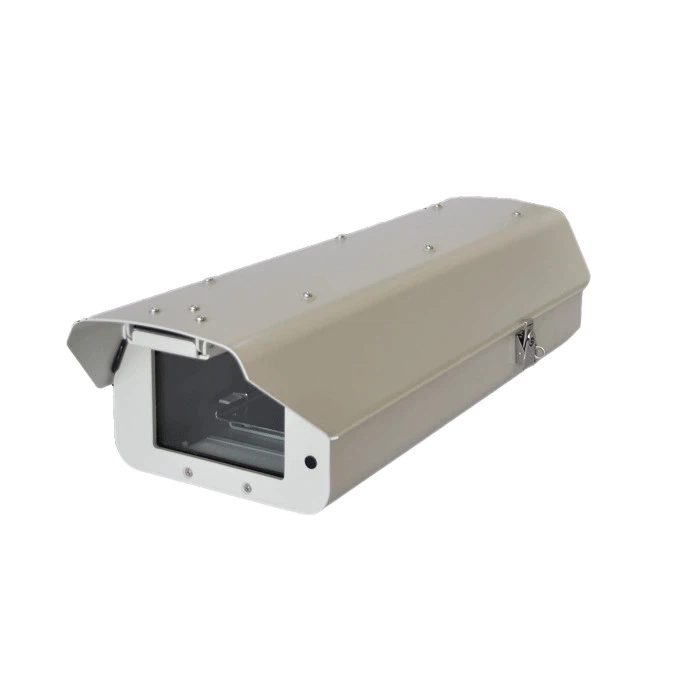
Camera housings are designed to protect cameras from various environmental factors such as dust, moisture, and physical damage. However, if they are not stored correctly when not in use, these protective features can be compromised. Improper storage can lead to issues like corrosion, lens fogging, and mechanical failures, which can significantly reduce the lifespan of the camera housing and the camera itself.
Pre - storage Preparation
Before storing a camera housing, it is essential to clean it thoroughly. Use a soft, lint - free cloth to wipe away any dust, dirt, or fingerprints from the exterior of the housing. For stubborn stains, you can use a mild cleaning solution specifically designed for camera equipment. Make sure to dry the housing completely to prevent moisture from getting trapped inside.
If the camera housing has a lens, clean it carefully using a lens cleaning solution and a microfiber cloth. Avoid using abrasive materials that could scratch the lens surface. Additionally, check all the seals and gaskets on the housing. If they are damaged or worn out, replace them before storage to ensure a proper seal and prevent moisture ingress.
Choosing the Right Storage Environment
The storage environment plays a vital role in preserving the quality of camera housings. Here are some key factors to consider:
Temperature
The ideal temperature for storing camera housings is between 10°C and 30°C (50°F and 86°F). Extreme temperatures can cause the materials in the housing to expand or contract, which may lead to cracks or other structural damage. Avoid storing camera housings in areas that are exposed to direct sunlight or near heat sources such as radiators or heaters.

Humidity
High humidity can cause condensation inside the camera housing, leading to corrosion and mold growth. Aim for a relative humidity level between 30% and 50%. If you live in a humid area, you can use a dehumidifier in the storage area to control the humidity. Alternatively, you can place desiccant packs inside the camera housing to absorb any excess moisture.
Dust and Debris
Keep the storage area clean and free from dust and debris. A clean environment reduces the risk of dust particles getting inside the camera housing and causing damage to the camera or its components. You can use a dust cover or a storage case to protect the camera housing from dust.
Storage Methods
There are several ways to store camera housings, depending on the type and size of the housing.
Small and Medium - Sized Camera Housings
For small and medium - sized camera housings, such as the 7 Inch Dome Security Camera Housing and the Waterproof Medium Size Digital Camera Housing with Light for Security Cameras, you can use a dedicated camera storage case. These cases are designed to provide cushioning and protection against physical damage. Make sure to place the camera housing in the case in a way that it is not cramped or squeezed, as this could cause damage to the housing or its components.
You can also use a padded camera bag for storage. Place the camera housing in the bag along with any accessories such as lenses, cables, and power supplies. Make sure to organize the items in the bag to prevent them from shifting and causing damage during storage.
Large - Sized Camera Housings
Large - sized camera housings, like the Outdoor IP66 Large Size Digital Camera Housing with Swiper for Video Surveillance Camera, may require a more spacious storage solution. You can store them on a shelf or in a cabinet. Make sure the shelf or cabinet is sturdy enough to support the weight of the camera housing. If possible, wrap the camera housing in a soft, protective material such as bubble wrap or foam to prevent scratches and dents.
Long - Term Storage Considerations
If you plan to store the camera housing for an extended period, there are some additional steps you can take:
Battery Removal
If the camera housing has a battery - powered component, remove the battery before storage. Batteries can leak over time, which can damage the camera housing and its internal components. Store the batteries separately in a cool, dry place and make sure to recharge them periodically to maintain their performance.
Periodic Inspection
Even during long - term storage, it is important to inspect the camera housing periodically. Check for any signs of damage, such as cracks, corrosion, or mold growth. If you notice any issues, address them immediately to prevent further damage.
Conclusion
Proper storage of camera housings is essential for maintaining their quality and functionality. By following the tips outlined in this blog, you can ensure that your camera housings remain in excellent condition when not in use. As a leading camera housing supplier, we offer a wide range of high - quality camera housings suitable for various applications. Whether you need a small dome - shaped housing or a large outdoor - rated housing, we have the right solution for you.
If you are interested in purchasing camera housings or have any questions about storage or product selection, please feel free to contact us. We are here to assist you with all your camera housing needs and look forward to discussing potential business opportunities with you.
References
- "Camera Equipment Storage Guidelines" - Professional Photographers Association
- "Best Practices for Storing Electronic Devices" - Electronics Engineering Journal


