

How fast can a Pan Tilt Unit move?
As a supplier of Pan Tilt Units (PTUs), one of the most frequently asked questions I encounter is about the speed at which these devices can move. The movement speed of a PTU is a crucial factor, especially in applications where rapid and accurate positioning is required, such as surveillance, live event broadcasting, and industrial inspection. In this blog post, I will delve into the factors that influence the movement speed of a PTU and provide insights into the typical speed ranges you can expect.

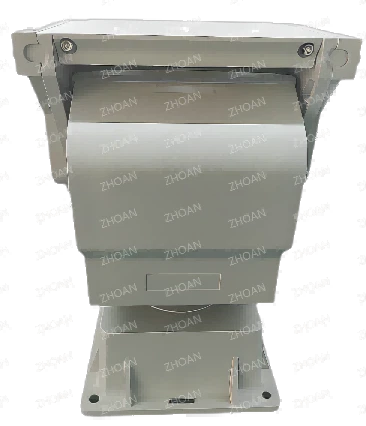
Factors Affecting the Movement Speed of a Pan Tilt Unit
Motor Power and Torque
The motor is the heart of a PTU, and its power and torque capabilities play a significant role in determining the movement speed. High - power motors can generate more force, allowing the PTU to accelerate and decelerate quickly. Torque, on the other hand, is essential for moving heavy loads. If a PTU is required to support a large and heavy camera or other equipment, a motor with sufficient torque is necessary to ensure smooth and fast movement. For example, our ZA - PT540 Medium Duty Motorized Pan Tilt Positioner is equipped with a powerful motor that can handle medium - sized loads while maintaining a relatively high movement speed.
Gear Ratio
The gear ratio of a PTU's transmission system affects both the speed and the torque. A lower gear ratio (more teeth on the output gear compared to the input gear) will result in higher torque but lower speed. Conversely, a higher gear ratio will increase the speed but reduce the torque. Manufacturers need to strike a balance between speed and torque based on the intended application of the PTU. For applications where high - speed movement is critical, such as in some sports event broadcasting, a PTU with a higher gear ratio may be preferred.
Load Weight and Size
The weight and size of the load attached to the PTU have a direct impact on its movement speed. Heavier and larger loads require more force to move, which can slow down the PTU. For instance, if you attach a large and heavy HD Intelligent PTZ Camera to a PTU, the movement speed may be reduced compared to when a lighter camera is used. It is important to choose a PTU that is rated to handle the weight and size of your specific load to ensure optimal performance.
Control System
The control system of a PTU also affects its movement speed. Advanced control algorithms can optimize the motor's operation, allowing for more precise and faster movement. Some PTUs support features such as variable speed control, which enables the user to adjust the movement speed according to the specific requirements of the application. Additionally, a responsive control system can minimize the delay between the user's input and the actual movement of the PTU.
Typical Movement Speed Ranges
The movement speed of a PTU is usually measured in degrees per second for both pan (horizontal movement) and tilt (vertical movement). The speed ranges can vary widely depending on the type and model of the PTU.
Low - End PTUs
Low - end PTUs, which are often used for basic surveillance or consumer applications, typically have a pan speed ranging from 10 to 60 degrees per second and a tilt speed ranging from 5 to 30 degrees per second. These PTUs are generally designed for slow and steady movement and are suitable for applications where high - speed tracking is not required.
Mid - Range PTUs
Mid - range PTUs, such as our ZA - PT520 Pan Tilt Positioner For Mouting Camera, offer a higher level of performance. They usually have a pan speed ranging from 60 to 180 degrees per second and a tilt speed ranging from 30 to 90 degrees per second. These PTUs are suitable for a wide range of applications, including small - to - medium - sized surveillance systems and some live event recording.
High - End PTUs
High - end PTUs, which are used in professional applications such as large - scale surveillance, sports event broadcasting, and industrial inspection, can achieve much higher movement speeds. Pan speeds can reach up to 360 degrees per second or even higher, and tilt speeds can range from 180 to 360 degrees per second. These PTUs are designed to provide rapid and accurate positioning, allowing for real - time tracking of fast - moving objects.
Real - World Applications and Speed Requirements
Surveillance
In surveillance applications, the movement speed of a PTU is crucial for quickly covering a large area and tracking moving targets. For example, in a large - scale outdoor surveillance system, a PTU with a high pan and tilt speed is needed to monitor a wide perimeter. If a suspicious person or vehicle is detected, the PTU should be able to rapidly reposition the camera to follow the target. A mid - range or high - end PTU is usually preferred for such applications.
Live Event Broadcasting
Live event broadcasting, such as sports events or concerts, requires PTUs with high movement speeds to keep up with the action. In a football game, for instance, the camera needs to quickly pan and tilt to capture the players' movements, goals, and other key moments. High - end PTUs are essential in these scenarios to ensure smooth and seamless coverage.
Industrial Inspection
In industrial inspection applications, PTUs are used to position cameras or sensors for inspecting large machinery or production lines. The movement speed of the PTU needs to be fast enough to cover the entire inspection area in a reasonable amount of time. Additionally, precise positioning is required to ensure accurate inspection results. Depending on the size and complexity of the inspection task, mid - range or high - end PTUs may be used.
Conclusion
The movement speed of a Pan Tilt Unit is influenced by several factors, including motor power, gear ratio, load weight, and control system. Different types of PTUs offer a wide range of movement speeds to meet the requirements of various applications. Whether you are in the market for a PTU for surveillance, live event broadcasting, or industrial inspection, it is important to choose a unit that can provide the appropriate speed and performance for your specific needs.
If you are interested in learning more about our Pan Tilt Units or have specific requirements for your application, we encourage you to contact us for a detailed consultation. Our team of experts is ready to assist you in selecting the right PTU and providing you with the best solution for your project.
References
- "Motion Control Handbook", published by the Motion Control Association
- Industry reports on surveillance and broadcasting equipment


