

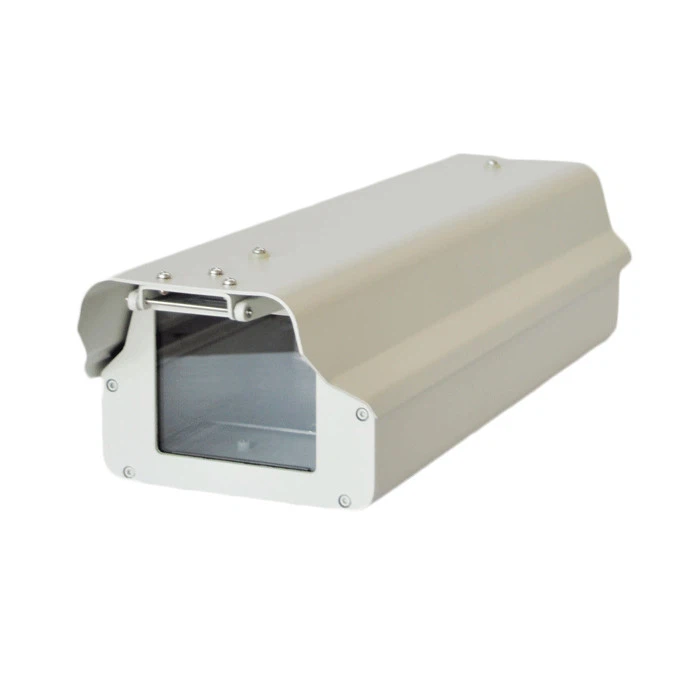
A camera is a valuable piece of equipment, whether it's a high - end DSLR used by professional photographers or a security camera installed in a public or private area. One of the significant threats to the camera's longevity and performance is scratches. A scratched lens can distort the image, reduce clarity, and in some cases, even render the camera useless. This is where a camera housing comes in as a crucial protective element. As a camera housing supplier, I'd like to delve into how camera housings safeguard cameras from scratches.
1. Material Selection
The first line of defense in protecting a camera from scratches is the material of the camera housing. High - quality camera housings are made from materials that are inherently scratch - resistant.
For instance, polycarbonate is a popular choice for many camera housings. Polycarbonate is a thermoplastic polymer that offers excellent impact resistance and scratch resistance. It can withstand minor abrasions that might otherwise scratch a camera's exterior or lens. Its durability means that it can endure the rigors of daily use, whether the camera is being carried around in a photographer's bag or installed outdoors in a security setup.
Aluminum is another material commonly used in camera housings. Aluminum is lightweight yet strong. It has a natural oxide layer on its surface that provides a certain degree of scratch protection. Additionally, anodizing can be applied to the aluminum housing. Anodizing is an electrochemical process that thickens the natural oxide layer, making the housing more resistant to scratches and corrosion. This makes it an ideal choice for outdoor cameras, such as those used in surveillance systems.
Some high - end camera housings also use tempered glass for the lens cover. Tempered glass is much stronger than regular glass. It is heat - treated to increase its strength, and when it does break, it shatters into small, relatively harmless pieces instead of sharp shards. This type of glass can resist scratches from dust particles, small stones, and other debris that might come into contact with the camera. For example, our 7 Inch Dome Security Camera Housing uses high - quality tempered glass for the lens cover, providing reliable scratch protection for the security camera inside.
2. Design Features
Beyond the material, the design of the camera housing also plays a vital role in scratch prevention.
One of the key design features is the raised edges. Many camera housings are designed with raised edges around the lens and the main body of the camera. These raised edges act as a buffer zone. When the camera housing comes into contact with a hard surface or an object, the raised edges take the impact first, protecting the camera itself from scratches. For example, if a camera is accidentally dropped on a table, the raised edges will hit the table surface, reducing the risk of the camera lens or body getting scratched.
Another important design aspect is the precision fit. A well - designed camera housing fits the camera snugly. This prevents the camera from moving around inside the housing, which could cause scratches due to friction. When the camera is securely held in place, there is less chance of it rubbing against the inner walls of the housing. Our Outdoor Waterproof Small Size Camera Housing for PTZ Camera is designed with a precise fit, ensuring that the PTZ camera inside is well - protected from scratches caused by movement.
Some camera housings also feature a removable lens cover. This lens cover can be easily taken off for cleaning or maintenance, but it also provides an extra layer of protection against scratches. When the camera is not in use, the lens cover can be kept on, shielding the lens from dust, fingerprints, and other potential sources of scratches.
3. Environmental Protection
Camera housings also protect cameras from scratches by shielding them from the harsh elements in the environment.
Outdoor cameras are particularly vulnerable to scratches caused by environmental factors. Dust and sand particles in the air can act like tiny abrasives. When they are blown by the wind and come into contact with the camera, they can scratch the lens or the camera body. A camera housing acts as a barrier, preventing these particles from reaching the camera directly.
Rain and moisture can also cause problems. If water contains impurities or minerals, it can leave behind deposits on the camera lens when it dries. These deposits can scratch the lens if they are not cleaned properly. A waterproof camera housing, such as our Waterproof Double Cabin Camera Housing with Optional Glass and Sunshield for Security Camera System, keeps the camera dry, reducing the risk of scratches caused by water - related issues.
Extreme temperatures can also affect the camera's performance and increase the risk of scratches. In very cold temperatures, materials can become brittle, and small impacts are more likely to cause scratches. In hot temperatures, the camera's components can expand, and if the camera is not properly protected, it can rub against the housing, leading to scratches. A well - designed camera housing can insulate the camera from these temperature extremes, maintaining a stable environment inside and reducing the risk of scratches.
4. Maintenance and Cleaning
A camera housing not only protects the camera from scratches but also makes it easier to maintain and clean the camera without causing scratches.
When cleaning a camera without a housing, there is a higher risk of accidentally scratching the lens or the body while trying to remove dirt or fingerprints. With a camera housing, the outer surface of the housing can be cleaned first. This can remove a large amount of dirt and debris before it has a chance to reach the camera.
The materials used in camera housings are often easy to clean. For example, polycarbonate and aluminum can be wiped clean with a soft cloth and a mild cleaning solution. The tempered glass lens cover can also be cleaned using a glass cleaner and a microfiber cloth. This makes the cleaning process safer and more efficient, reducing the risk of scratches during cleaning.
Why Choose Our Camera Housings
As a camera housing supplier, we are committed to providing high - quality products that offer excellent scratch protection for cameras. Our camera housings are made from the best materials, with carefully designed features to ensure maximum protection. Whether you need a housing for a professional photography camera, a security camera, or any other type of camera, we have a wide range of options to meet your needs.
If you are interested in our camera housings and want to discuss your specific requirements, we invite you to reach out to us. Our team of experts is ready to assist you in finding the perfect camera housing for your camera. We can also provide detailed information about the materials, design, and performance of our products. Contact us today to start the procurement process and ensure that your camera is well - protected from scratches.

References
- "Materials Science and Engineering: An Introduction" by William D. Callister Jr. and David G. Rethwisch
- "Camera Technology Handbook" by John A. Ross
- Industry research reports on camera housing technology and materials.


