

Can I use a CCTV camera housing in a forest area?
As a provider of CCTV camera housings, I often encounter inquiries from customers about the suitability of our products in various environments. One question that comes up quite frequently is whether a CCTV camera housing can be used in a forest area. In this blog post, I'll delve into this topic, exploring the feasibility, challenges, and considerations when using CCTV camera housings in forested regions.
Feasibility of Using CCTV Camera Housings in Forest Areas
The short answer is yes, it is possible to use a CCTV camera housing in a forest area. Forests, whether they are nature reserves, private woodlands, or areas near industrial sites, can benefit from surveillance. Monitoring activities such as illegal logging, poaching, or wildlife behavior can be crucial for conservation and security purposes. CCTV camera housings are designed to protect cameras from environmental factors and physical damage, making them a viable option for forest surveillance.
However, using a CCTV camera housing in a forest area presents unique challenges that need to be addressed. These challenges include environmental conditions, wildlife interference, and power supply.
Environmental Conditions
Forests are subject to a wide range of environmental conditions, including extreme temperatures, high humidity, heavy rainfall, and exposure to sunlight. These conditions can take a toll on CCTV camera housings and the cameras they protect.
Temperature Fluctuations: Forests can experience significant temperature variations between day and night, as well as between seasons. Extreme cold can cause the housing to become brittle, while extreme heat can lead to expansion and potential damage to the camera and its components. To combat this, it's essential to choose a CCTV camera housing that is designed to withstand a wide temperature range. Look for housings with insulation and ventilation features to regulate the internal temperature and prevent overheating or freezing.
Humidity and Rainfall: High humidity and frequent rainfall are common in forest areas. Moisture can seep into the camera housing, causing corrosion, short circuits, and damage to the camera lens. A waterproof and dustproof CCTV camera housing is a must. Look for housings with an IP (Ingress Protection) rating of at least IP65, which means they are dust-tight and protected against low-pressure water jets from any direction. Waterproof Medium Size Digital Camera Housing with Light for Security Cameras is an excellent option for forest environments, as it is specifically designed to withstand harsh weather conditions.
Sunlight Exposure: Prolonged exposure to sunlight can cause the camera housing to fade, crack, or become discolored. UV-resistant materials are essential to prevent damage from the sun's rays. Look for housings made from high-quality plastics or metals that are treated to resist UV degradation.
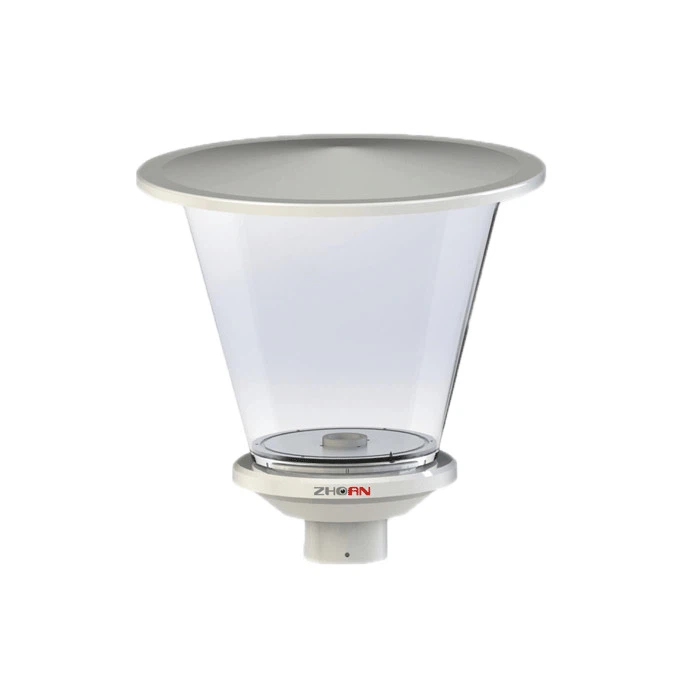

Wildlife Interference
Forests are home to a variety of wildlife, and some animals may be curious or territorial towards CCTV camera housings. Birds may build nests on or near the housing, while larger animals may try to knock it down or damage it.
Physical Protection: To prevent damage from wildlife, choose a CCTV camera housing that is sturdy and well-built. Look for housings with a robust design and a protective outer shell. Some housings are designed with a smooth surface to discourage birds from perching or nesting on them.
Camouflage: Consider using a CCTV camera housing that blends in with the natural environment. Camouflaged housings can make the camera less noticeable to wildlife, reducing the risk of interference. Customized Dome Camera Housing can be customized to match the color and texture of the surrounding forest, making it virtually invisible to animals.
Power Supply
Providing a reliable power supply to CCTV cameras in a forest area can be challenging. Traditional power sources such as electrical outlets may not be available, and running power cables through the forest can be difficult and expensive.
Solar Power: Solar power is a popular option for powering CCTV cameras in remote forest areas. Solar panels can be installed near the camera housing to convert sunlight into electricity. A battery can be used to store the energy generated by the solar panels, ensuring continuous power supply even during periods of low sunlight.
Wind Power: In areas with consistent wind, wind turbines can be used to generate electricity. Wind power can be a reliable alternative to solar power, especially in areas with limited sunlight.
Considerations for Choosing a CCTV Camera Housing for Forest Areas
When choosing a CCTV camera housing for a forest area, there are several factors to consider:
Size and Shape: The size and shape of the camera housing should be appropriate for the camera and the installation location. A larger housing may be required for a larger camera or to provide additional protection. The shape of the housing can also affect its visibility and susceptibility to wildlife interference.
Mounting Options: The camera housing should be easy to install and mount in the forest environment. Look for housings that come with a variety of mounting options, such as wall mounts, pole mounts, or ceiling mounts.
Accessibility for Maintenance: Regular maintenance is essential to ensure the proper functioning of the CCTV camera and its housing. Choose a housing that provides easy access to the camera and its components for cleaning, servicing, and repairs.
Cost: The cost of the CCTV camera housing is an important consideration. While it's important to choose a high-quality housing that meets your needs, you also need to stay within your budget. Compare prices from different suppliers and consider the long-term cost of ownership, including maintenance and replacement costs.
Conclusion
In conclusion, using a CCTV camera housing in a forest area is feasible, but it requires careful consideration of the environmental conditions, wildlife interference, and power supply. By choosing a high-quality housing that is designed to withstand the challenges of the forest environment, you can ensure reliable surveillance and protection of your forested area.
If you are interested in purchasing a CCTV camera housing for a forest area or have any questions about our products, please feel free to contact us. We are a leading supplier of CCTV camera housings and can provide you with expert advice and customized solutions to meet your specific needs. 7 Inch Dome Security Camera Housing is one of our popular products that is suitable for forest surveillance. Contact us today to discuss your requirements and get a quote.
References
- "CCTV Camera Housing Selection Guide," SecurityInfoWatch.com
- "Best Practices for Outdoor CCTV Camera Installation," CCTV Camera World
- "Solar Power for CCTV Systems," Renewable Energy World


