

Hey there! As a supplier of security camera covers, I get asked a lot about how to choose the right cover for a camera with a high frame rate. It's a crucial decision, as the wrong cover can affect the camera's performance and longevity. So, let's dive into the key factors you should consider when making this choice.
1. Compatibility with High - Frame - Rate Cameras
First things first, you need to make sure the security camera cover is compatible with your high - frame - rate camera. High - frame - rate cameras capture a large number of frames per second, which means they generate more heat and require more ventilation. A cover that restricts airflow can cause the camera to overheat, leading to reduced performance and potentially shortening the camera's lifespan.
Look for covers that have proper ventilation designs. Some covers come with built - in fans or vents that help dissipate heat effectively. For example, if your camera has a frame rate of 60 frames per second or higher, you'll need a cover that can handle the extra heat generated.

2. Material and Durability
The material of the security camera cover is another important aspect. You want a cover that can withstand various environmental conditions, especially if the camera is going to be installed outdoors.
- Plastic Covers: These are lightweight and relatively inexpensive. They're suitable for indoor use or in areas with mild weather conditions. However, they may not be as durable as other materials and can crack or fade over time.
- Metal Covers: Metal covers, such as aluminum or stainless steel, are more robust and can provide better protection against physical damage. They're also more resistant to extreme temperatures and harsh weather conditions. But they can be heavier and more expensive than plastic covers.
3. Optical Clarity
Since high - frame - rate cameras are often used for detailed surveillance, the optical clarity of the cover is essential. A cover with poor optical quality can distort the image, reducing the camera's effectiveness.
Choose a cover with a high - quality lens or window. Some covers use special coatings to reduce glare and improve image clarity. Make sure the cover's window is scratch - resistant, as scratches can also degrade the image quality.
4. Size and Design
The size and design of the security camera cover should match your camera. A cover that's too small won't fit properly, while one that's too large can be cumbersome and may not provide adequate protection.
- Dome - Shaped Covers: These are popular for their 360 - degree viewing angle. They're great for monitoring large areas and can be used both indoors and outdoors. Check out our Customized Dome Camera Housing for a customizable option.
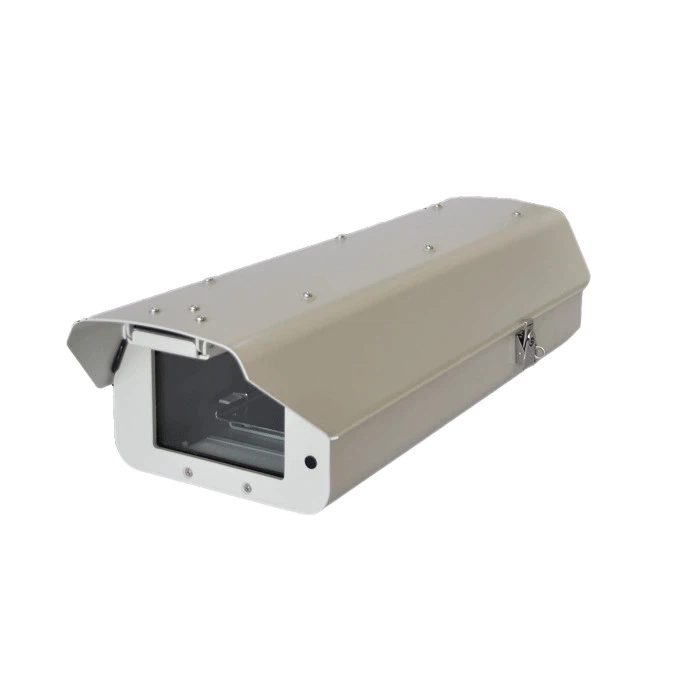
- Cabin - Style Covers: Cabin - style covers are more enclosed and can offer better protection against the elements. They're often used for outdoor cameras. Our Waterproof Double Cabin Camera Housing with Optional Glass and Sunshield for Security Camera System is a great example of a durable cabin - style cover.
- Medium - Size Covers: If you have a medium - sized high - frame - rate camera, a Waterproof Medium Size Digital Camera Housing with Light for Security Cameras might be the perfect fit. It provides a good balance between size and protection.
5. Installation and Maintenance
Consider how easy it is to install and maintain the security camera cover. You don't want to spend hours trying to install the cover, and it should be easy to clean and service.
Some covers come with simple mounting systems that allow for quick and easy installation. They may also have removable parts that make cleaning and maintenance a breeze.
6. Cost
Cost is always a factor when making a purchase. You need to find a balance between quality and price. While it's tempting to go for the cheapest option, remember that a low - quality cover may end up costing you more in the long run due to frequent replacements or reduced camera performance.
Compare different brands and models to find the best value for your money. Look for covers that offer a good combination of features, durability, and price.
7. Additional Features
Some security camera covers come with additional features that can enhance the camera's functionality.
- Heating and Cooling Systems: These are useful for cameras installed in extreme temperature environments. A heating system can prevent the camera from freezing in cold weather, while a cooling system can keep it from overheating in hot weather.
- Anti - Vandalism Features: If the camera is in a high - risk area, look for a cover with anti - vandalism features, such as reinforced materials or tamper - proof locks.
In conclusion, choosing the right security camera cover for a high - frame - rate camera requires careful consideration of several factors. Compatibility, material, optical clarity, size, installation, cost, and additional features all play a role in making the best decision.
If you're still unsure about which security camera cover is right for your high - frame - rate camera, don't hesitate to reach out. We're here to help you find the perfect solution for your surveillance needs. Whether you're a business owner looking to protect your premises or a homeowner wanting to keep an eye on your property, we have the expertise and products to meet your requirements. Let's start a conversation about your specific needs and find the ideal security camera cover together!
References
- Security Camera World. (2023). Choosing the Right Camera Housing.
- Surveillance Review. (2023). Factors to Consider When Selecting a Camera Cover.


