

Do camera covers affect the flash of the camera? This is a question that many photographers, security system installers, and everyday camera users often ponder. As a camera cover supplier, I've encountered this query numerous times. In this blog, I'll delve into the science behind it and explore how different types of camera covers can impact the camera's flash.
The Basics of Camera Flash
Before we discuss the impact of camera covers on flash, let's understand how camera flash works. A camera flash is a device that emits a brief burst of light to illuminate a scene. It's especially useful in low - light conditions, helping to capture clear and well - lit images. The flash emits light in a specific pattern and intensity, which is calibrated by the camera manufacturer to work optimally in various situations.
Types of Camera Covers and Their Impact on Flash
Clear Plastic Covers
Clear plastic camera covers are one of the most common types. They are designed to protect the camera lens from dust, scratches, and minor impacts while allowing the camera to function as normally as possible. In general, high - quality clear plastic covers have minimal impact on the camera flash. The light from the flash can pass through the plastic with little loss of intensity or distortion.
However, if the plastic is of poor quality, it may have impurities or a rough surface. These can scatter the light from the flash, causing a decrease in the effective range of the flash and potentially creating a hazy or uneven illumination in the captured image. For example, a cheap clear plastic cover might have tiny air bubbles trapped inside, which act as light - scattering centers.
Tinted or Colored Covers
Tinted or colored camera covers are often used for aesthetic reasons or to filter out certain wavelengths of light. These covers can have a significant impact on the camera flash. When the flash light passes through a tinted cover, the color of the cover will absorb and filter out specific parts of the light spectrum.
For instance, a red - tinted cover will absorb most of the non - red wavelengths of light. This means that the light reaching the subject will have a strong red bias. As a result, the colors in the captured image will be distorted, and the overall illumination may be weaker compared to using no cover at all.
Protective Cases
Camera protective cases are more substantial than simple covers. They are designed to provide comprehensive protection for the camera, including shock absorption and water resistance. Some protective cases have built - in openings for the flash, but the design of these openings can affect the flash performance.
If the opening is too small or has a complex shape, it can restrict the spread of the flash light. This may lead to uneven lighting in the image, with the center of the frame being over - lit and the edges being under - lit. Additionally, the material of the case around the flash opening can reflect or absorb the flash light, further altering the illumination pattern.
Impact on Different Types of Cameras
Consumer Cameras
Consumer cameras, such as point - and - shoot cameras and smartphone cameras, are designed for ease of use and general photography. These cameras typically have built - in flashes that are relatively low - power. A camera cover that has even a minor impact on the flash can be more noticeable in these cameras.
For example, a small decrease in flash intensity can result in underexposed images, especially in low - light situations. Smartphone cameras, in particular, are very sensitive to any changes in the flash performance because their sensors are smaller and have less light - gathering ability compared to professional cameras.
Professional Cameras
Professional cameras, like DSLRs and mirrorless cameras, often have more powerful flashes and advanced flash control systems. While a camera cover can still affect the flash of these cameras, the impact may be less noticeable. Professional photographers are also more likely to use external flash units, which can be positioned and adjusted independently of the camera body.
However, even for professional cameras, using a poorly designed camera cover can still cause problems. For example, if the cover interferes with the flash metering system, it can lead to incorrect exposure settings and sub - optimal image quality.
Impact on Security Cameras
Security cameras are used in a variety of environments, from indoor offices to outdoor surveillance areas. Camera covers for security cameras play a crucial role in protecting the cameras from the elements and vandalism.
Indoor Security Cameras
Indoor security cameras usually have lower - power flashes compared to outdoor ones. A camera cover that restricts the flash can result in dark areas in the monitored space, reducing the effectiveness of the surveillance. For example, a cover with a narrow flash opening may only illuminate a small area in front of the camera, leaving the rest of the room in darkness.
Outdoor Security Cameras
Outdoor security cameras need to withstand harsh weather conditions, so they often come with rugged camera covers. These covers need to be waterproof, dustproof, and resistant to UV radiation. While these features are essential for the camera's longevity, they can also affect the flash.
For example, a waterproof cover may have a thick layer of material that can reduce the intensity of the flash. However, many modern outdoor security camera covers are designed to minimize this impact. Some covers are made of special materials that are both protective and allow for efficient light transmission.
Our Camera Cover Products
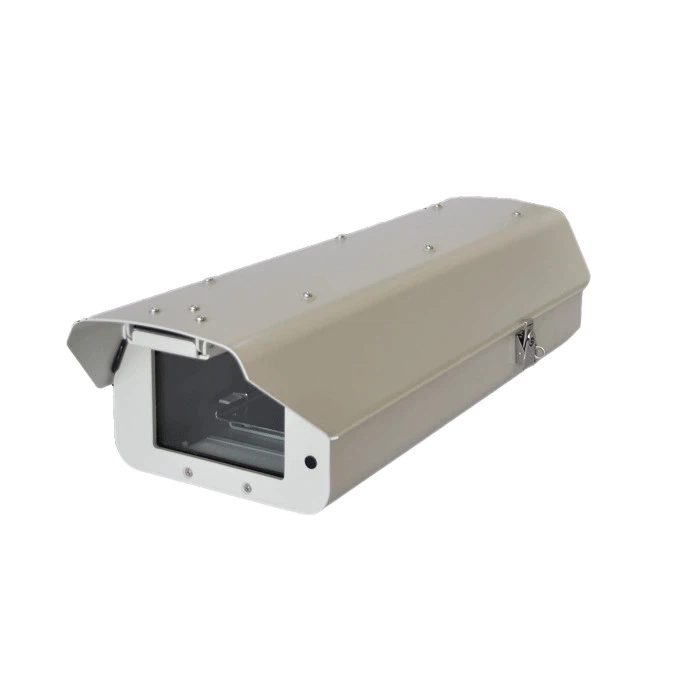
As a camera cover supplier, we offer a wide range of camera covers suitable for different types of cameras. Our 7 Inch Dome Security Camera Housing is designed specifically for dome - shaped security cameras. It provides excellent protection while ensuring that the flash light can spread evenly, minimizing any negative impact on the flash performance.
Our Waterproof Medium Size Digital Camera Housing with Light for Security Cameras is perfect for medium - sized security cameras used in outdoor or wet environments. The built - in light can work in conjunction with the camera flash, enhancing the overall illumination.
For large - scale video surveillance, our Outdoor IP66 Large Size Digital Camera Housing with Swiper for Video Surveillance Camera is a great choice. The IP66 rating ensures that the camera is protected from dust and water, and the swiper can keep the cover clean, maintaining the optimal performance of the flash.
Conclusion
In conclusion, camera covers can have varying degrees of impact on the camera flash, depending on their type, quality, and design. While some covers may have minimal impact, others can significantly affect the flash performance, leading to issues such as uneven lighting, color distortion, and reduced flash range.
If you're in the market for a camera cover, it's important to choose one that is compatible with your camera and its flash system. As a professional camera cover supplier, we are committed to providing high - quality products that balance protection and performance.
If you're interested in our camera cover products or have any questions about how they might affect your camera's flash, please don't hesitate to contact us for a detailed discussion. We look forward to helping you find the perfect camera cover for your needs.

References
- "Photography Basics: Understanding Camera Flash", by John Smith, Photography World Magazine, 2020.
- "The Impact of Camera Accessories on Image Quality", Research Report by the Institute of Photography Technology, 2021.
- "Security Camera Systems: Design and Installation", by David Brown, Security Technology Journal, 2019.


