

Hey there! As a supplier of IP66 camera housings, I often get asked whether these bad boys can be used in industrial environments. Well, let's dive right into it and find out!
First off, what the heck is an IP66 camera housing? The IP (Ingress Protection) rating system is a way to measure how well a device is protected against dust and water. An IP66 rating means that the housing is completely dust - tight (the '6' for dust) and can withstand powerful water jets from any direction (the second '6' for water).
Now, let's talk about industrial environments. These places are no joke. They're full of all sorts of challenges like dust, dirt, water, extreme temperatures, and sometimes even chemicals. For example, in a mining site, there's tons of dust flying around. In a food processing plant, there are constant washdowns with water and maybe some cleaning agents. And in a steel mill, the temperatures can be super high.
So, can an IP66 camera housing handle all this? The short answer is, in most cases, yes!
Dust Protection
Industrial areas are often dusty. In a cement factory, for instance, the air is filled with fine cement particles. An IP66 camera housing, with its dust - tight rating, is a great solution. It keeps all that dust out of the camera. This is crucial because if dust gets inside the camera, it can damage the internal components, like the lens or the circuit board. Over time, this can lead to a blurry picture or even a complete camera failure. With an IP66 housing, you can be confident that your camera will keep working, no matter how dusty the environment is.
Water Resistance
Water is another big issue in industrial settings. In a car wash facility, cameras need to be protected from high - pressure water jets. An IP66 housing can take on these powerful water sprays without letting any water inside. This is also important in outdoor industrial areas where there are heavy rains or in places where equipment is regularly washed down. For example, in a dairy farm, the milking equipment and the surrounding area are cleaned frequently with water. Cameras installed there need to be able to withstand these wet conditions, and an IP66 housing does just that.
Temperature and Chemical Resistance
While the IP66 rating mainly focuses on dust and water, many IP66 camera housings are also designed to handle a wide range of temperatures. In a cold storage facility, the temperature can be well below freezing, and in a foundry, it can be extremely hot. Good quality IP66 housings are made from materials that can expand and contract with temperature changes without cracking or losing their sealing properties.
As for chemicals, some industrial processes involve the use of cleaning agents or other chemicals. While an IP66 rating doesn't specifically address chemical resistance, many IP66 housings are made from materials that can resist common industrial chemicals. However, if your industrial environment has highly corrosive chemicals, you might need to check with the manufacturer to make sure the housing is suitable.
Our Product Range
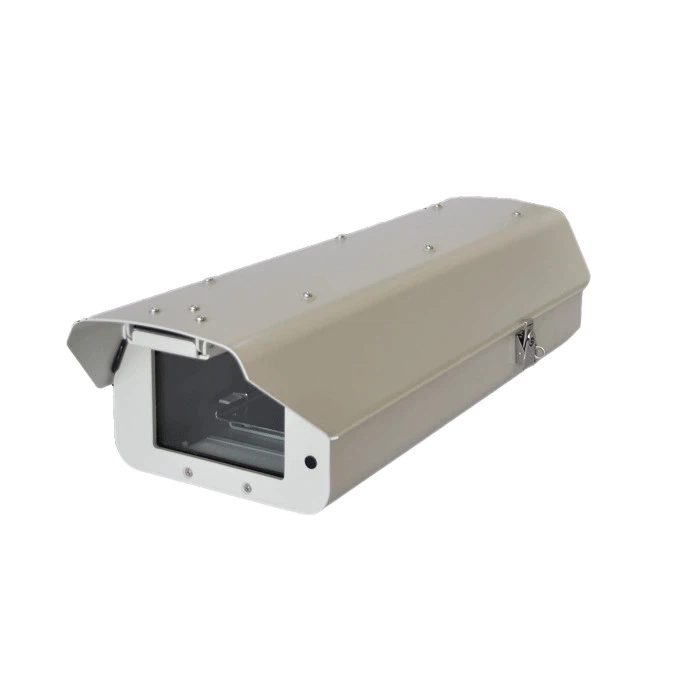
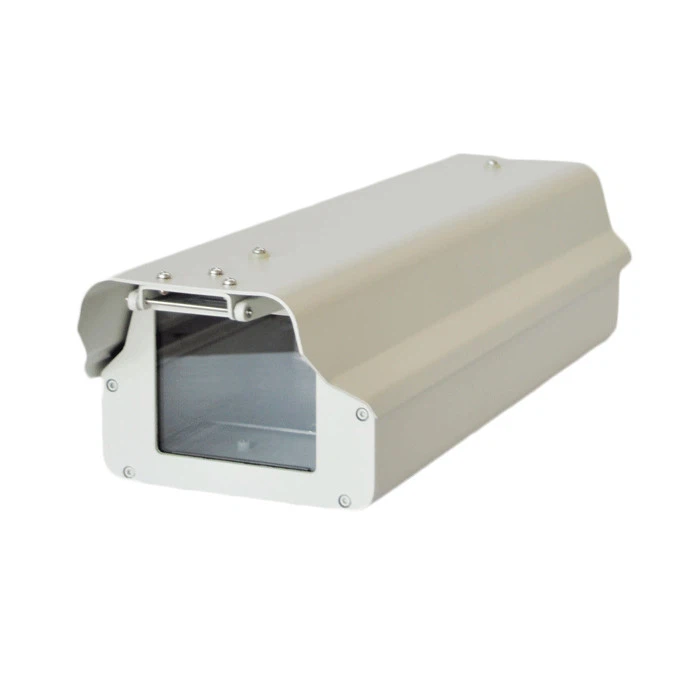
At our company, we offer a variety of IP66 camera housings to meet different industrial needs. Check out our Waterproof Medium Size Digital Camera Housing with Light for Security Cameras. This housing is perfect for general industrial surveillance. It has a built - in light, which is great for low - light areas like warehouses or loading docks.
If you're looking for something more specialized, our Customized Dome Camera Housing is a great option. You can get it customized to fit your specific camera model and industrial requirements. Whether you need a special size or additional features, we can make it happen.
And for those of you who need a smaller housing, especially for PTZ (Pan - Tilt - Zoom) cameras in outdoor industrial areas, our Outdoor Waterproof Small Size Camera Housing for PTZ Camera is the way to go. It's compact but still offers full IP66 protection.
Installation and Maintenance
Installing an IP66 camera housing in an industrial environment is usually straightforward. Most of our housings come with easy - to - follow installation instructions. However, it's important to make sure the housing is properly sealed during installation. A loose seal can compromise the IP66 rating.
Maintenance is also pretty simple. You just need to regularly check the housing for any signs of damage, like cracks or loose fittings. If you notice any issues, it's best to replace the damaged parts as soon as possible to maintain the protection level.
Real - World Examples
Let me share a couple of real - world examples of how our IP66 camera housings have been used in industrial environments.
One of our customers runs a paper mill. The mill has a lot of dust from the paper production process and also has areas where water is used for cooling and cleaning. They installed our IP66 camera housings to monitor the production line. Since then, they haven't had any problems with dust or water getting into the cameras. The cameras have been providing clear images, which has helped them keep an eye on the production process and ensure quality control.
Another customer is a chemical plant. They needed cameras to monitor some outdoor storage tanks. The area is exposed to all kinds of weather conditions, including heavy rain and strong winds. Our IP66 camera housings have been protecting the cameras in this harsh environment, allowing the plant managers to remotely monitor the tanks and ensure safety.
Conclusion
In conclusion, IP66 camera housings are a great choice for many industrial environments. They offer excellent protection against dust and water, and in most cases, can also handle the temperature and chemical challenges found in these settings.
If you're in an industrial business and need reliable camera protection, don't hesitate to reach out. We're here to help you find the perfect IP66 camera housing for your needs. Whether you have questions about our products, need a custom solution, or are ready to place an order, just drop us a line. Let's work together to keep your industrial operations under surveillance with top - notch camera protection!
References
- International Electrotechnical Commission (IEC) standards for IP ratings.
- Industry reports on the use of camera housings in industrial environments.


