

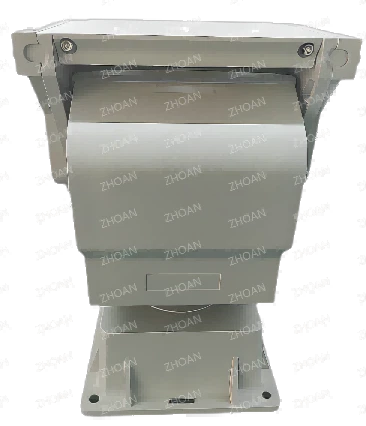
When it comes to using a Pan Tilt Unit (PTU) in public places, there are several crucial regulations that must be adhered to. As a supplier of high - quality PTUs, including the Intelligent Hidden Security Camera in Landscape Network PTZ Camera with OEM Service for Safe City, ZA - PT540 Medium Duty Motorized Pan Tilt Positioner, and Variable Speed Medium Duty Motorized Pan Tilt Head With15kg (33.07lb) Payload, I understand the importance of compliance in ensuring the proper and legal use of these devices.
Privacy Regulations
One of the most significant aspects of using a PTU in public places is respecting individuals' privacy. In many regions, there are strict laws governing the collection and use of personal information, which includes visual data captured by cameras attached to PTUs.
First and foremost, it is essential to provide clear notice to the public that surveillance is taking place. This can be achieved through the use of prominent signage. The signage should be placed in visible locations around the area being monitored, clearly stating that cameras are in operation. For example, in a shopping mall, signs should be posted at all entrances and in common areas.
Moreover, the scope of surveillance must be limited to what is necessary for the intended purpose. For instance, if the PTU - mounted camera is being used for security purposes in a parking lot, it should only cover the parking areas and access routes, not private areas such as individual vehicles' interiors or nearby residential properties. Any attempt to capture images or videos of individuals in a context where they have a reasonable expectation of privacy, such as in restrooms or changing rooms, is strictly prohibited.
In some countries, individuals have the right to request access to the data collected about them. As a PTU user, you must have a system in place to handle such requests promptly and in accordance with the law. This may involve maintaining proper records of the data collected, including the time, date, and location of each recording, and being able to retrieve and provide relevant data upon request.
Data Storage and Security
Once the data is collected by the camera attached to the PTU, proper storage and security measures must be implemented. The data should be stored in a secure location, protected from unauthorized access, use, or disclosure. This may involve using encrypted storage systems and access controls.
Access to the stored data should be restricted to authorized personnel only. Employees who have access to the data must be trained on privacy and data protection laws and the proper handling of the information. Regular audits should be conducted to ensure that the security measures are being followed and that there are no breaches of the data.

The retention period of the data is also an important consideration. There are often regulations specifying how long the data can be stored. In general, the data should not be kept for longer than necessary for the intended purpose. For example, if the data is being used for security incident investigations, it may be retained for a few weeks or months, depending on local laws. After the retention period expires, the data should be securely deleted.
Safety Regulations
Safety is another critical factor when using a PTU in public places. PTUs are mechanical devices that can pose a risk to the public if not properly installed and maintained.
During the installation process, it is crucial to ensure that the PTU is securely mounted. The mounting surface must be able to support the weight of the PTU and the attached camera. If the PTU is installed on a wall or ceiling, proper structural analysis should be conducted to ensure its stability. For outdoor installations, the PTU must be able to withstand environmental factors such as wind, rain, and extreme temperatures.
Regular maintenance is also necessary to keep the PTU in good working condition. This includes checking the mechanical components for wear and tear, lubricating moving parts, and ensuring that the electrical connections are secure. Any malfunction or damage to the PTU should be addressed immediately to prevent potential hazards.
In addition, the movement of the PTU should be restricted to prevent it from colliding with people or objects. There should be physical barriers or software - based limits in place to control the range of motion. For example, in a crowded public area, the PTU should not be able to swing freely into areas where people are likely to be present.
Licensing and Permits
In many areas, using a PTU in public places may require specific licenses or permits. These licenses are usually issued by local government authorities and are designed to ensure that the use of the device complies with all relevant laws and regulations.
Before installing and operating a PTU - mounted camera in a public place, it is the responsibility of the user to research and obtain the necessary licenses. The application process may involve providing detailed information about the purpose of the surveillance, the location of the installation, and the technical specifications of the PTU and camera.
Failure to obtain the required licenses can result in significant fines and legal consequences. Therefore, it is crucial to be proactive in understanding and complying with the licensing requirements in your jurisdiction.
Environmental Regulations
If the PTU is being used outdoors, there may be environmental regulations that need to be considered. For example, the materials used in the PTU and its components should be environmentally friendly. Some regions have restrictions on the use of certain chemicals or materials that can be harmful to the environment.
In addition, the energy consumption of the PTU should be optimized. Many modern PTUs are designed to be energy - efficient, which not only reduces operating costs but also helps to minimize the environmental impact. As a supplier, we are committed to providing PTUs that meet high - standards of energy efficiency, such as the Variable Speed Medium Duty Motorized Pan Tilt Head With15kg (33.07lb) Payload, which is engineered to consume less power while maintaining excellent performance.
Compliance with Industry Standards
Apart from legal regulations, it is also important to comply with industry standards when using a PTU in public places. There are various international and national standards for the design, installation, and operation of surveillance equipment.
For example, the International Electrotechnical Commission (IEC) has developed standards for the safety and performance of electrical equipment, which includes PTUs. These standards cover aspects such as electrical insulation, mechanical safety, and electromagnetic compatibility. By ensuring that the PTU meets these standards, you can enhance the reliability and safety of the device.
In the security industry, there are also standards for the quality of video surveillance. These standards specify requirements for image resolution, frame rate, and color accuracy. Using a PTU that is compatible with these standards can improve the effectiveness of the surveillance system.
Technical Requirements
To ensure the proper functioning of the PTU in public places, there are certain technical requirements that must be met.
The PTU should have reliable positioning accuracy. This is crucial for security applications, where precise movement is required to track potential threats. The accuracy of the pan and tilt movements should be within an acceptable tolerance range. For example, in a large - scale public event, the PTU needs to be able to accurately track individuals or objects across the venue.
Furthermore, the PTU should be able to operate in different lighting conditions. In public places, lighting can vary significantly, from bright sunlight to low - light environments at night. The camera attached to the PTU should have features such as automatic gain control and low - light enhancement to ensure clear and usable images in all lighting situations.
Training and Certification
Proper training is essential for anyone operating a PTU in public places. Operators should be trained on the technical aspects of the PTU, including its installation, operation, and maintenance. They should also be educated on the relevant regulations, such as privacy and safety laws.
In some cases, operators may be required to obtain certification to demonstrate their competence in using the PTU. Certification programs are often offered by professional organizations or training institutions. These programs typically cover topics such as equipment operation, legal compliance, and emergency procedures.
Conclusion
Using a PTU in public places comes with a significant responsibility to comply with various regulations. From privacy and data security to safety and environmental considerations, every aspect of the device's use must be carefully managed. As a supplier of high - quality PTUs, we are committed to providing our customers with the necessary information and support to ensure the legal and proper use of our products.
If you are interested in purchasing a PTU for use in public places or have any questions about compliance, please feel free to contact us for further discussion. We look forward to working with you to meet your surveillance needs while ensuring full compliance with all relevant regulations.
References
- European Union General Data Protection Regulation (GDPR)
- Local privacy and surveillance laws in different regions
- International Electrotechnical Commission (IEC) standards
- Industry standards for video surveillance equipment


