

Hey there! As a supplier of IP66 camera housing, I'm super excited to dive into the topic of what materials are used to make these bad boys. IP66 camera housings are crucial for protecting cameras in various harsh environments, ensuring they can function properly and last a long time. So, let's get into the nitty - gritty of the materials!
1. Polycarbonate
One of the most commonly used materials for IP66 camera housing is polycarbonate. It's like the all - rounder in the material world for camera housings. Polycarbonate is a thermoplastic polymer that offers a great combination of strength and transparency.
Strength is a big deal when it comes to protecting cameras. Polycarbonate can withstand impacts, which means if there are accidental bumps or even some minor vandalism attempts, the camera inside will be safe. It has high impact resistance, much better than many other plastics. For example, if a small object were to hit the camera housing, the polycarbonate would absorb the shock and prevent damage to the camera.
Transparency is another key feature. Since cameras need to capture clear images, the housing material should not distort the view. Polycarbonate has excellent optical clarity, allowing the camera to see through it without any significant loss of quality. You can check out our Waterproof Medium Size Digital Camera Housing with Light for Security Cameras, which often uses polycarbonate for its transparent parts, ensuring optimal camera performance.
2. Aluminum
Aluminum is also a popular choice for IP66 camera housing. It's lightweight yet strong, making it ideal for outdoor applications. When you have a camera that needs to be installed on a wall or a pole, you don't want a heavy housing adding unnecessary weight. Aluminum solves this problem.

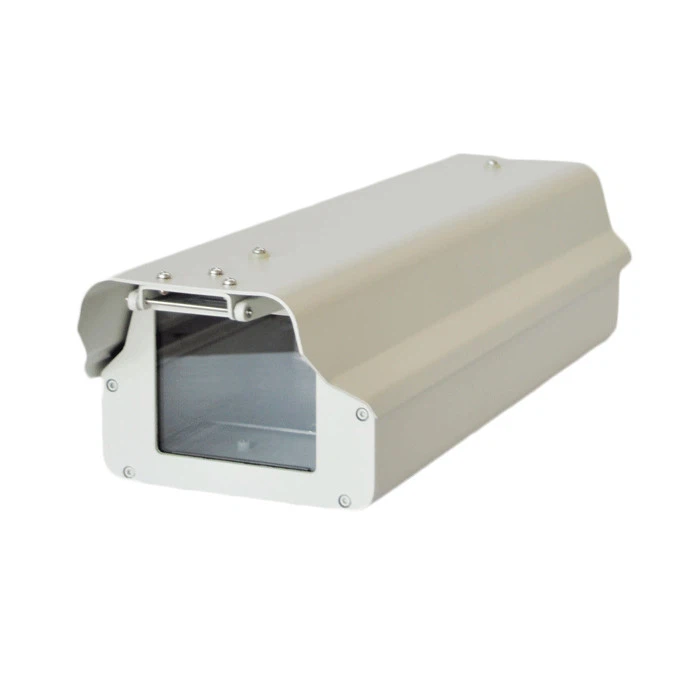
In terms of durability, aluminum is resistant to corrosion. Outdoor environments can be tough, with exposure to rain, humidity, and various chemicals in the air. Aluminum forms a thin oxide layer on its surface when exposed to oxygen, which protects it from further corrosion. This means the camera housing can last for a long time in outdoor settings without rusting or deteriorating.
Aluminum is also a good conductor of heat. Cameras generate heat during operation, and if the heat is not dissipated properly, it can affect the camera's performance and lifespan. The aluminum housing helps in dissipating the heat, keeping the camera at a stable temperature. Our Outdoor Waterproof Small Size Camera Housing for PTZ Camera often utilizes aluminum for its body, providing both protection and heat management.
3. Stainless Steel
Stainless steel is a heavy - duty option for IP66 camera housing. It offers the highest level of durability and protection. If you're looking for a housing that can withstand extreme conditions, stainless steel is the way to go.
Stainless steel is extremely resistant to corrosion, even in highly corrosive environments such as near the ocean or in industrial areas with high levels of pollution. The chromium in stainless steel forms a passive film on the surface, which prevents rust and corrosion. This makes it perfect for long - term use in harsh outdoor settings.
It also has high strength. It can withstand heavy impacts and physical stress. In areas where there is a risk of physical damage, like in high - traffic areas or places prone to vandalism, stainless steel camera housings provide reliable protection. We have Customized Dome Camera Housing available in stainless steel for those who need extra - tough protection.
4. ABS Plastic
Acrylonitrile Butadiene Styrene (ABS) plastic is another material used in IP66 camera housing. It's known for its good mechanical properties and cost - effectiveness.
ABS plastic is tough and impact - resistant. It can handle a fair amount of abuse without cracking or breaking. This makes it suitable for both indoor and outdoor applications where there might be some accidental knocks or impacts.
It's also easy to mold into different shapes. This allows for more flexibility in the design of the camera housing. Manufacturers can create complex shapes and features to meet the specific needs of different cameras. And since it's relatively inexpensive compared to some other materials, it can be a great option for those on a budget.
5. Silicone Seals
While not a main structural material, silicone seals are an essential part of IP66 camera housing. The "66" in IP66 indicates that the housing is dust - tight and protected against powerful water jets. Silicone seals play a crucial role in achieving this level of protection.
Silicone has excellent flexibility and sealing properties. It can conform to the shape of the housing parts, creating a tight seal that prevents dust and water from entering. It also has good resistance to temperature changes, which means it can maintain its sealing performance in different weather conditions. Whether it's extremely hot or cold outside, the silicone seals will keep the camera dry and dust - free.
Which Material to Choose?
The choice of material depends on several factors. If you're looking for a cost - effective option with good all - round performance, polycarbonate or ABS plastic might be the way to go. They offer decent protection and are relatively affordable.
For outdoor applications where heat dissipation and lightweight design are important, aluminum is a great choice. It provides good durability and helps in keeping the camera cool.
If you need the highest level of protection in harsh and corrosive environments, stainless steel is the best option. It can withstand extreme conditions and physical abuse.
As a supplier of IP66 camera housing, we understand that every customer has different needs. That's why we offer a wide range of products made from different materials to meet those needs. Whether you need a medium - size waterproof housing or a customized dome camera housing, we've got you covered.
If you're in the market for IP66 camera housing and want to discuss your specific requirements, feel free to reach out to us. We're here to help you find the perfect solution for your camera protection needs.
References
- Plastics in Camera Technology: A Review, Journal of Material Science in Electronics
- Aluminum Alloys for Outdoor Applications, Metal Engineering Journal
- Stainless Steel in Harsh Environments, Corrosion Science Magazine


