

As a provider of pan tilt zoom (PTZ) systems, I often encounter inquiries from customers about the shock resistance of these systems. Shock resistance is a crucial factor, especially in environments where the PTZ cameras are likely to be exposed to vibrations, impacts, or sudden movements. In this blog post, I will delve into what shock resistance means for a PTZ system, why it matters, and how our products at [Your Company] are designed to withstand various levels of shock.
Understanding Shock Resistance in PTZ Systems
Shock resistance refers to the ability of a PTZ system to maintain its functionality and performance when subjected to sudden and intense forces. These forces can come from a variety of sources, such as accidental bumps, rough handling during installation or transportation, and vibrations caused by nearby machinery or vehicles. In a PTZ system, shock can potentially damage sensitive components like motors, lenses, and circuit boards, leading to malfunctions or even complete failure.
To measure shock resistance, manufacturers typically use the unit of acceleration, expressed in g-forces. One g is equivalent to the acceleration due to gravity on Earth, which is approximately 9.8 m/s². A PTZ system with a higher shock resistance rating can withstand greater g-forces without suffering damage. For example, a system rated for 100 g of shock resistance can tolerate sudden impacts or vibrations equivalent to 100 times the force of gravity.
Why Shock Resistance Matters
The importance of shock resistance in PTZ systems cannot be overstated, especially in certain applications. Here are some key reasons why shock resistance is a critical consideration:
1. Outdoor and Harsh Environments
PTZ cameras are often used in outdoor settings, such as surveillance of construction sites, industrial facilities, and transportation hubs. These environments are prone to vibrations from heavy machinery, vehicles, and even natural phenomena like wind and earthquakes. Without adequate shock resistance, the cameras may experience frequent breakdowns, leading to costly repairs and downtime.
2. Mobile and Portable Applications
In some cases, PTZ systems are used in mobile or portable applications, such as on drones, boats, or vehicles. These platforms are subject to constant movement and vibrations, which can put significant stress on the PTZ cameras. A shock-resistant system ensures that the cameras can maintain stable operation even in these challenging conditions.

3. Long-Term Reliability
Shock resistance is directly related to the long-term reliability of a PTZ system. By protecting the internal components from damage, a shock-resistant design can extend the lifespan of the camera and reduce the need for frequent maintenance and replacement. This not only saves costs but also ensures continuous and uninterrupted surveillance.
Our Shock-Resistant PTZ Systems
At [Your Company], we understand the importance of shock resistance in PTZ systems. That's why we have invested heavily in research and development to design and manufacture PTZ cameras that can withstand the toughest conditions. Here are some of the features and technologies that make our PTZ systems highly shock-resistant:
1. Robust Mechanical Design
Our PTZ cameras are built with a robust mechanical structure that provides excellent protection for the internal components. The housing is made of high-quality materials, such as aluminum alloy or stainless steel, which are strong and durable. Additionally, the internal components are securely mounted and cushioned to absorb shocks and vibrations.
2. Advanced Shock Absorption Technology
We use advanced shock absorption technology in our PTZ systems to minimize the impact of sudden forces. This includes the use of rubber gaskets, dampers, and shock-absorbing mounts, which help to isolate the internal components from external vibrations and impacts. By reducing the transfer of shock to the sensitive parts of the camera, we can ensure its reliable operation even in the most challenging environments.
3. Quality Assurance Testing
Before leaving the factory, all of our PTZ cameras undergo rigorous quality assurance testing to ensure their shock resistance. This includes simulated shock tests, where the cameras are subjected to various levels of g-forces to verify their ability to withstand sudden impacts. Only after passing these tests are the cameras approved for sale, giving our customers peace of mind knowing that they are getting a high-quality and reliable product.
Our Product Range
We offer a wide range of PTZ cameras with different levels of shock resistance to meet the diverse needs of our customers. Here are some of our popular products:
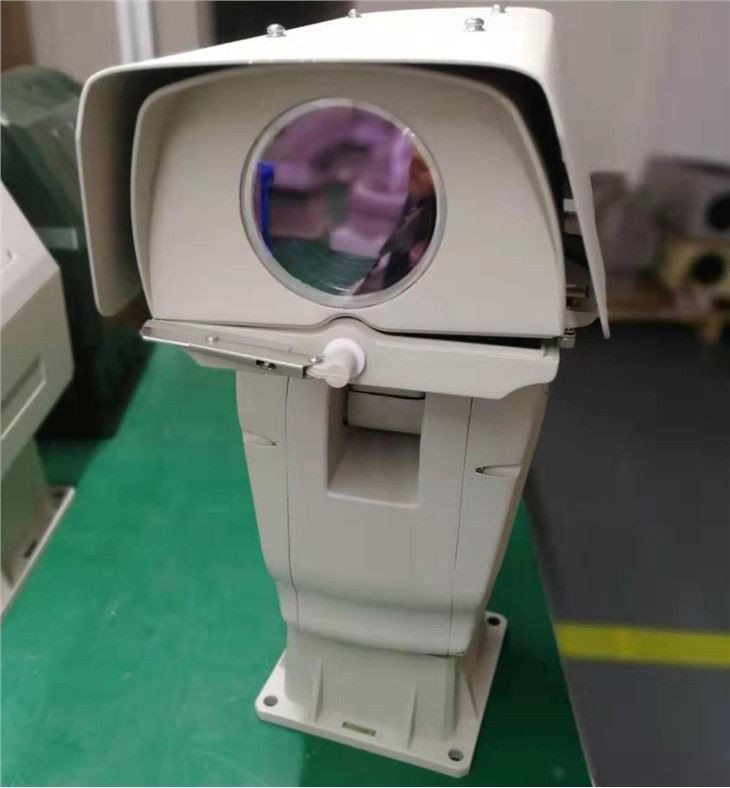
- HD Integrated Intelligent PTZ Camera With Laser: This camera is designed for long-range surveillance in outdoor environments. It features a high-resolution HD image sensor, a powerful laser illuminator, and a shock-resistant design that can withstand up to 200 g of shock.
- HD Long Distance Intelligent PTZ Camera: Ideal for monitoring large areas, this camera offers a long-distance zoom capability and excellent image quality. It is built with a shock-resistant housing and advanced shock absorption technology to ensure reliable operation in harsh conditions.
- Continuous Rotation PTZ PAN TILT Camera: This camera is designed for continuous 360-degree rotation and tilt, making it suitable for applications where a wide field of view is required. It is equipped with a high-torque motor and a shock-resistant design to ensure smooth and stable operation.
Contact Us for Purchasing and Consultation
If you are in the market for a shock-resistant PTZ system, we invite you to contact us for more information. Our team of experts is available to answer your questions, provide technical support, and help you choose the right product for your specific needs. Whether you are looking for a camera for a small business, a large industrial facility, or a government agency, we have the solution for you.
To get in touch with us, simply visit our website or send us an email. We look forward to hearing from you and working with you to meet your surveillance needs.
References
- "Shock and Vibration Testing of Electronic Products," by John W. Sutherland.
- "Designing for Shock and Vibration in Electronic Systems," by David A. G. Bruhn.
- "Surveillance Camera Handbook," by George J. Carvalho.


