

As a reputable supplier of Pan and Tilt Mounts, I often get asked about the power consumption of these devices. Power consumption is a crucial factor, especially for those looking to integrate these mounts into long - term, large - scale, or energy - sensitive applications. In this blog, I'll delve into the power consumption aspects of electric Pan and Tilt Mounts, exploring the factors that influence it and what you can expect in different scenarios.
Understanding Electric Pan and Tilt Mounts
Before we discuss power consumption, let's briefly understand what an electric Pan and Tilt Mount is. These mounts are designed to allow cameras, sensors, or other equipment to move horizontally (pan) and vertically (tilt). They are widely used in security systems, surveillance, video production, and industrial applications.
The power consumption of an electric Pan and Tilt Mount is not a fixed value. It varies based on several factors, including the design, the load it carries, the type of motor used, and the operating mode.
Factors Affecting Power Consumption
1. Motor Type
The motor is the heart of an electric Pan and Tilt Mount, and different motor types have different power requirements. For instance, stepper motors are commonly used in Pan and Tilt Mounts. They offer precise control and can hold a position without continuous power input. However, when they are in motion, they can draw a relatively high current, especially at high speeds.
On the other hand, servo motors are known for their smooth operation and high torque. They are often used in mounts that require quick and accurate movements. Servo motors tend to consume more power than stepper motors, especially when they are constantly adjusting to maintain a position or make rapid movements.
2. Load Capacity
The weight of the equipment (such as cameras or sensors) mounted on the Pan and Tilt system significantly impacts power consumption. A Heavy Duty Payload 55kg High Accuate Positioning 0.01° Intelligent Variable Speed Moterized Pan and Tilt Camera Mount for Security Camera System designed to carry a heavy load will need more power to move and hold the position compared to a mount with a lower load capacity. The motor has to work harder to overcome the inertia and gravitational forces acting on the heavier load, which results in increased power draw.
3. Operating Mode
The way the Pan and Tilt Mount is used also affects its power consumption. There are generally two main operating modes: continuous movement and intermittent movement.
In continuous movement mode, where the mount is constantly panning and tilting, the motor is under continuous stress, and power consumption remains relatively high. This mode is often used in surveillance applications where the camera needs to cover a wide area continuously.
Intermittent movement mode, on the other hand, involves the mount moving only when triggered by an event (such as motion detection). In this mode, the mount spends most of its time in a standby state, consuming minimal power. When it is activated, it will draw power for the duration of the movement.
4. Environmental Conditions
Environmental factors such as temperature and humidity can also influence power consumption. In extreme temperatures, the motor's efficiency may decrease, causing it to draw more power to achieve the same level of performance. For example, in cold weather, the lubricants in the motor may thicken, increasing the friction and requiring more power to move the mount.
Typical Power Consumption Ranges
The power consumption of electric Pan and Tilt Mounts can vary widely depending on the factors mentioned above. Generally, for small - scale, lightweight mounts used in home security systems, the power consumption can range from 5 to 15 watts. These mounts usually have a lower load capacity and use less powerful motors.
Medium - sized mounts, such as those used in commercial surveillance applications, may consume between 15 and 30 watts. These mounts are designed to carry larger cameras and may have more advanced features, such as variable speed control.
Large - scale, heavy - duty mounts, like the Outdoor Heavy Duty Intelligent Variable Speed Pan Tilt used in industrial or outdoor surveillance, can consume upwards of 30 watts, sometimes reaching 50 watts or more, especially when they are moving heavy loads at high speeds.
Energy - Saving Tips
If you are concerned about the power consumption of your Pan and Tilt Mount, here are some energy - saving tips:
- Choose the Right Mount: Select a mount with a load capacity that matches your equipment. Avoid using an oversized mount, as it will consume more power than necessary.
- Opt for Energy - Efficient Motors: Look for mounts that use energy - efficient motor technologies, such as brushless motors. These motors are generally more efficient and have a longer lifespan.
- Adjust the Operating Mode: If possible, set your mount to an intermittent movement mode. This can significantly reduce power consumption, especially in applications where continuous monitoring is not required.
Specialized Pan and Tilt Mounts and Their Power Considerations
In some specialized applications, such as hazardous areas, the power consumption of Pan and Tilt Mounts needs to be carefully considered. 316 Stainless Steel EXD II CT6 Explosion - proof Pan Tilt Head for Hazardous Areas are designed to operate in environments where there is a risk of explosion. These mounts often have additional safety features, which can increase their power consumption.
The explosion - proof design may include features such as sealed enclosures and special insulation, which can add to the weight and complexity of the mount. As a result, the motor has to work harder to move the mount, leading to higher power consumption. However, the safety benefits of using these mounts in hazardous areas far outweigh the increased power cost.
Conclusion
In conclusion, the power consumption of an electric Pan and Tilt Mount is a complex topic that depends on multiple factors. By understanding these factors, you can make an informed decision when choosing a mount for your application. Whether you are looking for a small - scale mount for home use or a heavy - duty mount for industrial applications, it's important to consider the power requirements and how they fit into your overall energy budget.

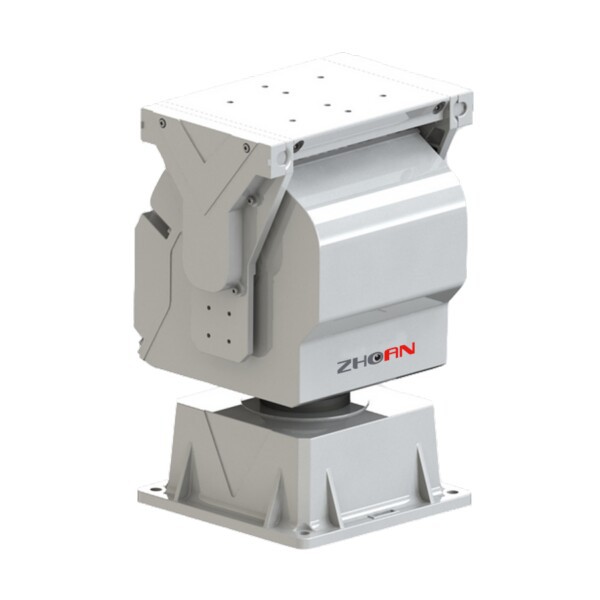
If you are interested in purchasing high - quality Pan and Tilt Mounts and would like to discuss the power consumption and other technical details further, please feel free to contact us for a procurement consultation. We are committed to providing you with the best solutions tailored to your specific needs.
References
- General knowledge of electric motor operation and power consumption.
- Product specifications of various Pan and Tilt Mounts from industry manufacturers.


