

What is the impact resistance of a dome camera cover?
In the realm of security and surveillance, dome cameras have become a ubiquitous sight. These cameras, often installed in public and private spaces alike, rely on their protective covers to ensure long - term functionality and reliability. One of the most crucial aspects of a dome camera cover is its impact resistance. As a supplier of dome camera covers, I have witnessed firsthand the importance of this characteristic in real - world applications.
Impact resistance refers to the ability of a material to withstand sudden force or shock without breaking or cracking. In the context of a dome camera cover, this means that the cover should be able to endure impacts from various sources, such as flying debris, accidental collisions, or even deliberate vandalism.
The level of impact resistance required for a dome camera cover depends on its intended environment. For indoor applications, where the risk of impact is relatively low, a cover with moderate impact resistance may suffice. These covers are typically made from materials like polycarbonate, which offers a good balance between transparency, durability, and cost - effectiveness. Polycarbonate is known for its high strength and toughness, making it resistant to scratches and minor impacts.
On the other hand, outdoor dome camera covers need to be more robust. They are exposed to a wider range of potential hazards, including extreme weather conditions, animals, and human interference. For outdoor use, we often recommend covers made from high - impact polycarbonate or reinforced glass. High - impact polycarbonate is engineered to withstand greater forces, while reinforced glass provides excellent clarity and can resist significant impacts.
Let's take a closer look at the testing methods used to determine the impact resistance of dome camera covers. One common test is the ball drop test. In this test, a steel ball of a specified weight is dropped from a certain height onto the surface of the cover. The height and weight of the ball are adjusted based on the expected level of impact resistance. If the cover remains intact after the ball drop, it passes the test.
Another important factor to consider is the design of the dome camera cover. A well - designed cover not only provides good impact resistance but also distributes the force of an impact evenly across its surface. This helps to prevent concentrated stress points that could lead to cracking or breaking. For example, some dome camera covers feature a curved design that helps to deflect impacts away from the camera lens.
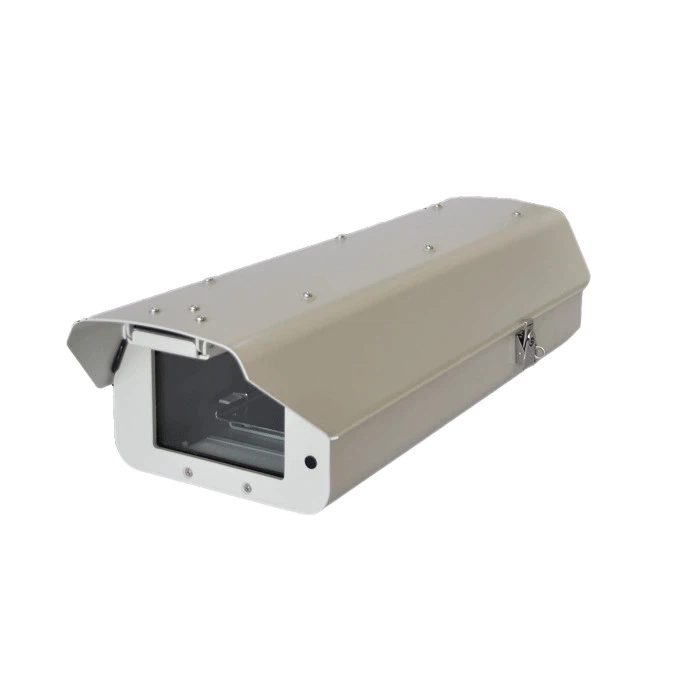

In addition to protecting the camera from physical damage, a dome camera cover with high impact resistance also enhances the overall security of the surveillance system. A damaged cover can compromise the integrity of the camera, making it more vulnerable to tampering or malfunction. By investing in a high - quality, impact - resistant cover, users can ensure that their surveillance cameras continue to operate effectively.
As a supplier, we offer a wide range of dome camera covers with varying levels of impact resistance to meet the diverse needs of our customers. For instance, our Waterproof Medium Size Digital Camera Housing with Light for Security Cameras is designed for medium - sized cameras and provides excellent protection against water and impacts. It is suitable for both indoor and outdoor use, making it a versatile option for many applications.
Our 7 Inch Dome Security Camera Housing is another popular choice. With its large size and high - impact polycarbonate construction, it offers superior protection for larger cameras. This housing is often used in commercial and industrial settings where the risk of impact is higher.
For those who need a heavy - duty solution for outdoor surveillance, our Outdoor IP66 Large Size Digital Camera Housing with Swiper for Video Surveillance Camera is an ideal option. The IP66 rating indicates that it is dust - tight and protected against powerful water jets, while the swiper helps to keep the lens clean. The high - impact materials used in its construction ensure that it can withstand harsh outdoor conditions and potential impacts.
When choosing a dome camera cover, it's important to consider not only the impact resistance but also other factors such as optical clarity, weather resistance, and ease of installation. A cover that offers a combination of these features will provide the best overall performance.
In conclusion, the impact resistance of a dome camera cover is a critical factor in ensuring the longevity and effectiveness of a surveillance system. Whether it's for indoor or outdoor use, a high - quality, impact - resistant cover can protect the camera from damage and enhance the security of the monitored area. As a supplier, we are committed to providing our customers with the best possible products and solutions. If you are interested in learning more about our dome camera covers or would like to discuss your specific requirements, please feel free to contact us for a procurement discussion.
References
- ASTM International. (20XX). Standard test methods for impact resistance of flat rigid plastics by means of a falling dart (tup) apparatus. ASTM D3029 - XX.
- ISO. (20XX). ISO 7765 - 1: Plastics — Film and sheeting — Determination of impact resistance by the free - falling dart method — Part 1: Staircase method.


