Hey there! As a supplier of dome camera housings, I've been getting a lot of questions lately about how these housings impact a camera's infrared function. So, I thought I'd take a deep dive into this topic and share my insights with you all.
First off, let's talk about what infrared function is in a camera. Infrared (IR) is a type of light that's invisible to the human eye but can be detected by cameras. Cameras with IR capabilities are super useful for surveillance, especially in low - light or no - light conditions. They can capture clear images at night or in dark areas by emitting and detecting infrared light.
Now, when it comes to dome camera housings, they can have both positive and negative impacts on a camera's infrared function.
Positive Impacts
One of the main positive impacts of a dome camera housing on the infrared function is protection. A good quality dome camera housing, like our 7 Inch Dome Security Camera Housing, can shield the camera from external elements. Dust, dirt, and moisture can all interfere with the infrared sensors on a camera. If these sensors get dirty or wet, they might not work as effectively, leading to blurry or inaccurate infrared images. But with a proper housing, the camera is kept clean and dry, allowing the infrared function to perform at its best.
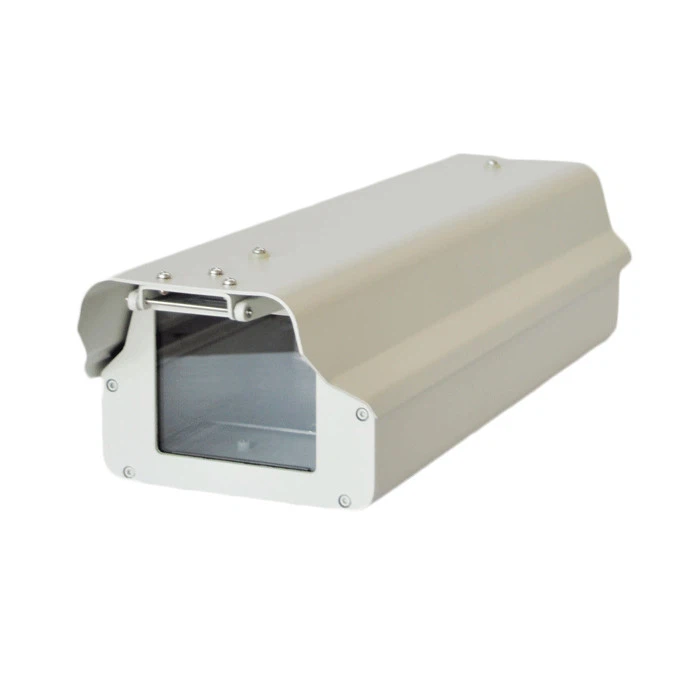
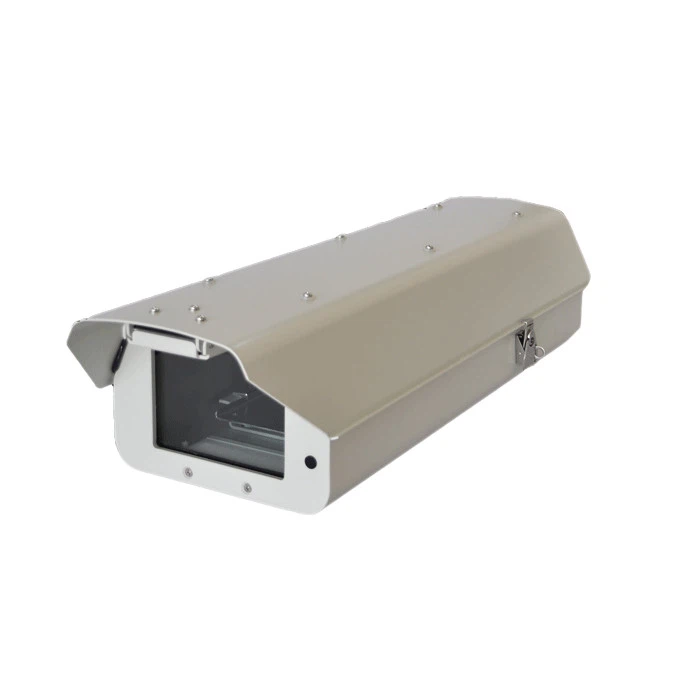
Another benefit is that some dome camera housings are designed to enhance the infrared light distribution. They can act as a sort of reflector or diffuser. When the camera emits infrared light, the housing can help spread that light more evenly over the area being monitored. This means that there are fewer dark spots or areas with uneven lighting in the infrared images. For example, our Waterproof Medium Size Digital Camera Housing with Light for Security Cameras is engineered to optimize the infrared light spread, giving you a more comprehensive view of the surveillance area.
Negative Impacts
However, not all impacts are positive. One of the potential negative impacts is the attenuation of infrared light. Some materials used in dome camera housings can absorb or block a portion of the infrared light emitted by the camera. If the housing material has a high absorption rate for infrared wavelengths, the effective range of the infrared function can be reduced. This means that the camera might not be able to capture clear images as far away as it could without the housing.
Another issue is reflection. If the inner surface of the dome camera housing is not properly treated, it can cause internal reflections of the infrared light. These reflections can create glare or hotspots in the infrared images, making it difficult to distinguish objects clearly. It's like looking through a dirty or scratched window; the view gets distorted.
Factors Affecting the Impact
There are several factors that determine how a dome camera housing will impact the infrared function.
Material
The material of the housing is crucial. Clear polycarbonate is a popular choice for dome camera housings because it has relatively low absorption of infrared light. It allows most of the infrared light to pass through, minimizing the attenuation. On the other hand, some tinted or colored materials might have higher absorption rates and can significantly affect the infrared function.
Thickness
The thickness of the housing also matters. A thicker housing will generally absorb more infrared light than a thinner one. So, when choosing a dome camera housing, you need to find a balance between protection and infrared performance. You want a housing that's thick enough to protect the camera but not so thick that it severely hampers the infrared function.
Coating
The coating on the housing can make a big difference. Anti - reflective coatings can reduce internal reflections, improving the clarity of the infrared images. Some coatings are also designed to be hydrophobic, which helps keep the housing clean and reduces the interference of moisture with the infrared sensors.
How to Choose the Right Dome Camera Housing for Optimal Infrared Function
When you're in the market for a dome camera housing, here are some tips to ensure that it won't negatively impact the infrared function.
First, look for a housing made from a material with low infrared absorption. As I mentioned earlier, clear polycarbonate is a great option. Check the product specifications to see if the manufacturer provides information about the infrared transmittance of the material.
Second, consider the thickness. Don't go for an overly thick housing unless you really need the extra protection. A medium - thickness housing usually offers a good compromise between protection and infrared performance.
Third, pay attention to the coating. Make sure the housing has an anti - reflective coating to reduce internal reflections. If you're using the camera in an area with a lot of moisture, a hydrophobic coating can be a big plus.
Conclusion
In conclusion, a dome camera housing can have a significant impact on the camera's infrared function. It can offer protection and enhance the infrared light distribution, but it can also cause attenuation and reflection issues. As a supplier, I understand the importance of getting this right. That's why we offer a range of dome camera housings, like the Outdoor Waterproof Small Size Camera Housing for PTZ Camera, that are designed to optimize the infrared function while providing top - notch protection.
If you're in the market for a dome camera housing and want to ensure that it won't mess up your camera's infrared function, I'd love to have a chat with you. We can discuss your specific needs and find the perfect housing for your camera. Whether you're setting up a small home surveillance system or a large - scale commercial security project, we've got you covered. Reach out to us, and let's start this procurement journey together!
References
- General knowledge in the field of security camera technology
- Product specifications of dome camera housings