

When it comes to landscape PTZ (Pan-Tilt-Zoom) cameras, one of the most critical components that significantly impacts the camera's performance is the image sensor. As a long - standing supplier of landscape PTZ cameras, I've witnessed firsthand how the choice of image sensor can make or break the overall quality of the footage captured. In this blog, I'll delve into the different types of image sensors commonly used in landscape PTZ cameras, their characteristics, and how they contribute to the camera's functionality.
CCD (Charge - Coupled Device) Sensors
CCD sensors were once the dominant force in the world of digital imaging. They work by converting light into electrical charges, which are then transferred and read out to form an image. One of the key advantages of CCD sensors is their excellent image quality, especially in terms of color accuracy and low noise levels. In landscape PTZ cameras, this means that the captured images can have vivid colors and a high level of detail, making them ideal for applications where accurate color representation is crucial, such as environmental monitoring or real - estate landscape documentation.
However, CCD sensors also have some drawbacks. They are generally more power - hungry compared to other sensor types. For landscape PTZ cameras that need to operate continuously, this can be a significant issue as it may require more robust power supply solutions. Additionally, CCD sensors are often more expensive to manufacture, which can drive up the cost of the overall camera system. Despite these limitations, there are still some high - end landscape PTZ cameras that use CCD sensors to take advantage of their superior image quality. For example, in some high - profile landscape surveillance projects where budget is not a major constraint and the need for the best possible image is paramount, CCD - based PTZ cameras are the go - to choice.
CMOS (Complementary Metal - Oxide - Semiconductor) Sensors
CMOS sensors have gained popularity in recent years and have largely replaced CCD sensors in many consumer and professional imaging applications, including landscape PTZ cameras. Unlike CCD sensors, CMOS sensors can read out the charges from each pixel independently, which allows for faster readout speeds and lower power consumption. This makes them an excellent choice for landscape PTZ cameras that need to capture fast - moving objects or perform continuous panning, tilting, and zooming operations.
CMOS sensors also offer a high degree of integration, which means that additional features such as on - chip analog - to - digital converters and image processing circuits can be included, reducing the need for external components. This not only simplifies the camera design but also helps to reduce costs. In terms of image quality, modern CMOS sensors have made significant strides and can now produce images that are comparable to CCD sensors in many aspects. They are also more resistant to blooming, which is a phenomenon where bright light sources cause overexposure in adjacent pixels.
For landscape PTZ cameras, CMOS sensors are particularly well - suited for applications where cost - effectiveness and energy efficiency are important. For instance, in large - scale landscape monitoring projects where multiple cameras are required, CMOS - based PTZ cameras can provide a more affordable and sustainable solution. You can check out our HD Intelligent PTZ Camera, which is equipped with a high - performance CMOS sensor, delivering excellent image quality at a reasonable price.
Global Shutter vs. Rolling Shutter in CMOS Sensors
When discussing CMOS sensors in landscape PTZ cameras, it's important to mention the difference between global shutter and rolling shutter. A rolling shutter reads out the pixels of an image line by line, which can cause distortion when capturing fast - moving objects. This is because different parts of the image are captured at slightly different times. In landscape PTZ cameras, if there are fast - moving elements in the scene, such as vehicles or animals, a rolling shutter can result in skewed or distorted images.
On the other hand, a global shutter captures all the pixels of an image simultaneously. This eliminates the distortion issues associated with rolling shutters and is ideal for capturing fast - moving objects in landscape scenes. Some high - end landscape PTZ cameras use global shutter CMOS sensors to ensure that the captured images are free from motion artifacts. For example, in traffic monitoring applications where landscape PTZ cameras are used to capture the movement of vehicles, a global shutter sensor can provide clear and accurate images.
Factors to Consider When Choosing an Image Sensor for Landscape PTZ Cameras
When selecting an image sensor for a landscape PTZ camera, several factors need to be considered. First and foremost is the intended application. If the camera is going to be used for long - term landscape monitoring where power consumption is a concern, a CMOS sensor with low power consumption would be a better choice. On the other hand, if the application requires the highest possible image quality and color accuracy, a CCD sensor might be more suitable.
The resolution of the sensor is also an important factor. Higher resolution sensors can capture more detail, which is beneficial for landscape monitoring as it allows for better identification of objects and features in the scene. However, higher resolution also means more data to process and store, which can require more powerful hardware and larger storage capacity.
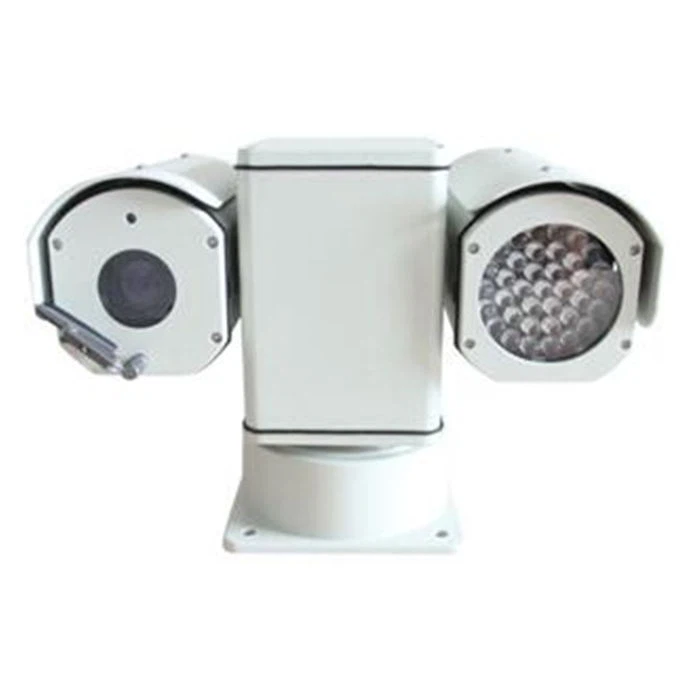

Another factor to consider is the sensitivity of the sensor. In landscape settings, lighting conditions can vary greatly from bright sunlight to low - light evenings. A sensor with high sensitivity can perform better in low - light conditions, ensuring that the camera can still capture clear images even when the light is scarce.
Our Landscape PTZ Camera Offerings
As a landscape PTZ camera supplier, we offer a wide range of cameras with different image sensor types to meet the diverse needs of our customers. Our cameras are designed to provide high - quality images, reliable performance, and long - term durability. Whether you need a camera for environmental monitoring, security surveillance, or landscape photography, we have a solution for you.
For example, our Police Vehicle Mounted Intelligent High Speed IR Car PTZ Camera for Video Surveillance System is equipped with a state - of - the - art CMOS sensor that offers high - speed performance and excellent low - light sensitivity. This camera is ideal for mobile surveillance applications where fast panning and tilting are required.
We also have the Variable Speed Medium Duty Motorized Pan Tilt Head With15kg (33.07lb) Payload, which can be paired with different types of landscape PTZ cameras. This pan - tilt head provides smooth and precise movement, allowing the camera to cover a wide area of the landscape.
Contact Us for Your Landscape PTZ Camera Needs
If you're in the market for a landscape PTZ camera, we'd love to hear from you. Our team of experts can help you choose the right camera with the appropriate image sensor based on your specific requirements. Whether you're a professional landscaper, a security firm, or an environmental researcher, we have the knowledge and experience to provide you with the best solution. Don't hesitate to contact us to start a discussion about your landscape PTZ camera needs and explore the possibilities of working together.
References
- "Digital Image Sensors: Fundamentals, Types, and Applications" by E. R. Fossum
- "CMOS Image Sensors: Electronic Imaging Technology" by Tetsuya Endoh and Eiichi Ohta


