

Hey there! As a supplier of Landscape PTZ (Pan-Tilt-Zoom) Cameras, I often get asked about the field of view of these nifty devices. So, I thought I'd sit down and write this blog to share all the ins and outs of the field of view of Landscape PTZ Cameras.
Let's start with the basics. The field of view (FOV) of a camera is the extent of the observable world that is seen at any given moment. In simpler terms, it's how wide or narrow the camera can "see." For Landscape PTZ Cameras, the FOV is a crucial factor because these cameras are typically used to monitor large outdoor areas like parks, gardens, and large commercial landscapes.
The FOV of a Landscape PTZ Camera is usually described in degrees. There are two main types of FOV: horizontal and vertical. The horizontal FOV refers to the width of the area the camera can cover from left to right, while the vertical FOV is about the height, from top to bottom.
Most standard Landscape PTZ Cameras have a horizontal FOV ranging from about 30 to 120 degrees when zoomed out. When you start zooming in, the FOV naturally gets narrower. For example, if you have a camera with a 90-degree horizontal FOV at its widest setting, as you zoom in to get a closer look at a specific object, that FOV might reduce to something like 10 degrees. This is important to understand because it affects how much area you can monitor at once.
Let's talk about why the FOV matters so much for landscape surveillance. When you're dealing with large outdoor spaces, you want to be able to cover as much ground as possible without having to constantly reposition the camera. A wider FOV means you can see more of the landscape in a single frame. This is especially useful for detecting movement across a broad area.

Imagine you're using a Landscape PTZ Camera to monitor a large public park. With a wide FOV, you can keep an eye on multiple paths, play areas, and open spaces simultaneously. If someone or something moves within that large field of view, the camera can detect it and you can then use the pan, tilt, and zoom functions to get a closer look.
On the other hand, a narrow FOV is great for focusing on specific details. Let's say you notice a suspicious activity in a corner of the park. You can zoom in on that area, which narrows the FOV but gives you a much clearer view of what's going on. This ability to switch between wide and narrow FOVs is one of the biggest advantages of PTZ cameras.
Now, let's dive into how our Landscape PTZ Cameras stack up in terms of FOV. Our cameras are designed to offer a great balance between wide and narrow FOV capabilities. We understand that different customers have different needs, whether it's monitoring a small backyard garden or a large industrial complex.
For those who need to cover a large area right off the bat, our cameras can provide a generous horizontal FOV of up to 120 degrees when fully zoomed out. This means you can get a broad overview of the landscape without any major blind spots. And when you need to zero in on a particular object or area, our cameras can zoom in to provide a detailed view with a much narrower FOV.
But it's not just about the numbers. The quality of the image within the FOV is also crucial. Our Landscape PTZ Cameras are equipped with high - resolution sensors that ensure clear and sharp images across the entire field of view. Whether you're looking at the far - off edges of the landscape or a close - up of a person, you'll get a crisp and detailed picture.
Another important aspect to consider is how the pan and tilt functions interact with the FOV. Our cameras can pan 360 degrees continuously and tilt up and down over a wide range, usually around 90 degrees. This means that even if the initial FOV doesn't cover the entire area you want to monitor, you can easily reposition the camera to expand your view.
Let's take a look at some of our related products that can enhance your surveillance setup. We have the Variable Speed Medium Duty Motorized Pan Tilt Head With15kg (33.07lb) Payload. This pan - tilt head is a great addition to our Landscape PTZ Cameras. It allows for smooth and precise movement, which is essential for adjusting the FOV as needed. With its variable speed feature, you can control how quickly or slowly the camera pans and tilts, giving you more flexibility in monitoring your landscape.
If you're looking for something more heavy - duty, our Outdoor Heavy Duty Intelligent Variable Speed Pan Tilt is the way to go. This pan - tilt unit is designed to withstand harsh outdoor conditions while providing reliable and accurate movement. It can handle larger cameras and additional equipment, ensuring that you can get the best possible FOV for your specific landscape.
And of course, we also have the Network High Speed PTZ Camera With IR. This camera combines high - speed pan, tilt, and zoom capabilities with infrared technology. The infrared feature allows for clear monitoring even in low - light or nighttime conditions, expanding the usability of the camera's FOV throughout the day and night.
So, if you're in the market for a Landscape PTZ Camera or looking to upgrade your existing surveillance system, understanding the field of view is key. It will help you choose the right camera and accessories to meet your specific needs.
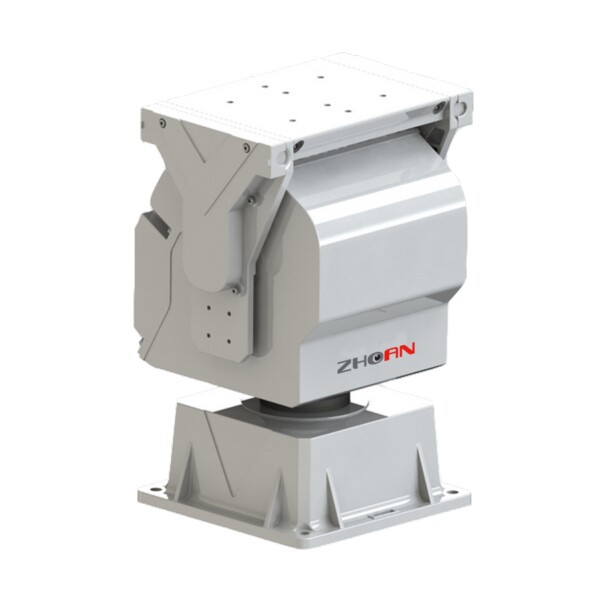
If you're interested in learning more about our Landscape PTZ Cameras and how they can benefit your landscape surveillance, feel free to reach out. We're always happy to have a chat about your requirements and help you find the perfect solution. Whether you're a small business owner, a park manager, or just someone looking to keep an eye on their backyard, we've got you covered.
References
- "Digital Video Surveillance Handbook" by Richard Deal
- "CCTV Handbook: An Introduction to Closed Circuit Television" by Alan C. F. Jones


