

As a supplier of Dome Camera Covers, I often get asked about the differences between clear and tinted dome camera covers. In this blog post, I'll delve into the characteristics, advantages, and disadvantages of both types to help you make an informed decision when choosing the right cover for your surveillance needs.
Physical Characteristics
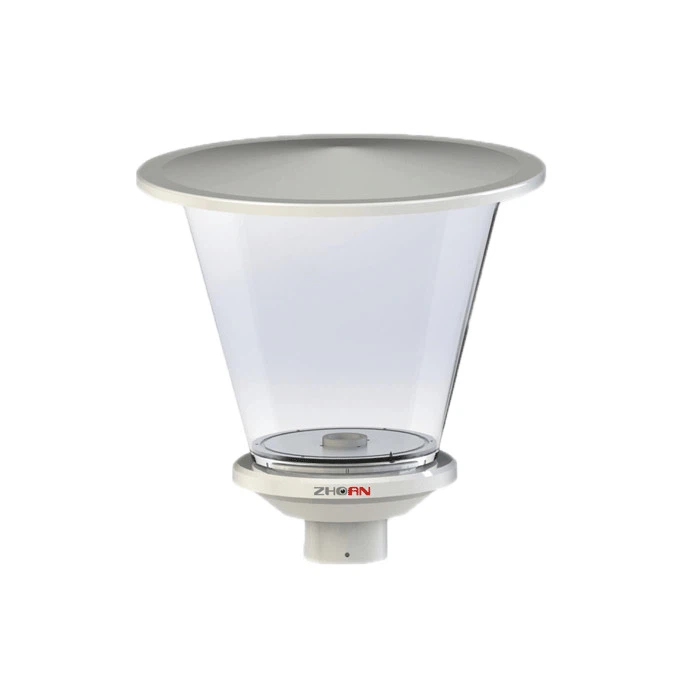
Clear dome camera covers are made of transparent materials, typically polycarbonate or acrylic. They offer unobstructed visibility, allowing the camera to capture clear images without any color distortion. The transparency of these covers makes them virtually invisible to the naked eye, which is ideal for applications where the camera needs to blend in with its surroundings.
On the other hand, tinted dome camera covers are coated with a thin layer of tint that reduces the amount of light passing through the cover. The tint can range from a light shade to a dark, almost opaque color. Tinted covers are often used to protect the camera from glare and reflections, especially in outdoor or high - intensity lighting environments.
Visibility and Image Quality
One of the most significant differences between clear and tinted dome camera covers lies in their impact on visibility and image quality.
Clear covers provide the best possible image quality because they do not interfere with the light entering the camera lens. The camera can capture images with accurate colors, sharp details, and high contrast. This makes clear covers suitable for applications where image clarity is of utmost importance, such as in indoor surveillance systems, retail stores, and offices.
Tinted covers, however, can affect the image quality to some extent. The tint reduces the amount of light reaching the camera, which may result in darker images. In low - light conditions, this can cause the camera to produce grainy or noisy images. However, in bright environments, the tint can actually improve the image quality by reducing glare and reflections. For example, in outdoor surveillance, a tinted cover can prevent the sun's glare from washing out the image, allowing the camera to capture clear footage even in direct sunlight.

Privacy and Concealment
Another important consideration when choosing between clear and tinted dome camera covers is privacy and concealment.
Clear covers offer no privacy for the camera. Since the cover is transparent, anyone can easily see the camera inside, which may act as a deterrent to potential criminals. However, in some cases, this lack of privacy may not be desirable. For example, in a public restroom or a changing room, a clear cover would violate the privacy of the individuals being monitored.
Tinted covers, on the other hand, provide a certain degree of privacy for the camera. The tint makes it difficult for people to see the camera inside the cover, which can be beneficial in situations where privacy is a concern. Additionally, tinted covers can be used to conceal the camera's presence, making it less noticeable to potential intruders.
Durability and Protection
Both clear and tinted dome camera covers are designed to protect the camera from physical damage, dust, and moisture. However, there are some differences in their durability.
Clear covers are generally more scratch - resistant than tinted covers. The transparent materials used in clear covers are often treated with a hard - coat to prevent scratches, which helps to maintain the clarity of the cover over time. Tinted covers, on the other hand, may be more prone to scratching because the tint layer can be damaged more easily.
In terms of protection against UV rays, tinted covers have an advantage. The tint layer can block a significant amount of UV radiation, which helps to prevent the camera from being damaged by the sun's harmful rays. Clear covers, while they may have some UV - resistant properties, are not as effective as tinted covers in this regard.
Cost
Cost is also a factor to consider when choosing between clear and tinted dome camera covers.
Clear covers are usually less expensive than tinted covers. The manufacturing process for clear covers is simpler, and the materials used are generally more affordable. This makes clear covers a cost - effective option for budget - conscious customers.
Tinted covers, due to the additional coating process and the use of specialized materials, are more expensive. However, the added benefits of glare reduction, privacy, and UV protection may justify the higher cost in some applications.
Applications
The choice between clear and tinted dome camera covers also depends on the specific application.
For indoor surveillance, clear covers are often the preferred choice. They provide clear images and do not interfere with the lighting conditions inside the building. For example, in a bank or a jewelry store, clear covers allow the security personnel to monitor the premises with high - quality images.
In outdoor applications, tinted covers are more commonly used. They can withstand harsh weather conditions, protect the camera from UV rays, and reduce glare from the sun. For instance, in a parking lot or a construction site, a tinted cover can ensure that the camera captures clear footage even in bright sunlight.
If you are interested in exploring our range of camera housing products, we offer a variety of options to meet your needs. Check out our Outdoor Waterproof Small Size Camera Housing for PTZ Camera, Customized Dome Camera Housing, and Outdoor IP66 Large Size Digital Camera Housing with Swiper for Video Surveillance Camera.
Conclusion
In conclusion, the choice between a clear and a tinted dome camera cover depends on several factors, including visibility requirements, privacy concerns, durability, cost, and the specific application. Clear covers offer superior image quality and are more cost - effective, making them suitable for indoor applications where image clarity is crucial. Tinted covers, on the other hand, provide better glare reduction, privacy, and UV protection, making them ideal for outdoor applications and situations where privacy is a concern.
If you are in the market for a dome camera cover and need further assistance in choosing the right one for your needs, please feel free to contact us. Our team of experts is ready to help you make an informed decision and ensure that you get the best product for your surveillance system. We look forward to discussing your requirements and working with you on your next project.
References
- Security Camera World. (2023). "Choosing the Right Dome Camera Cover."
- Surveillance Review. (2023). "Clear vs. Tinted Dome Camera Covers: What's the Difference?"


