

The contrast ratio is a crucial specification in evaluating the performance of PTZ (Pan-Tilt-Zoom) thermal cameras. As a leading supplier of PTZ thermal cameras, understanding this concept is essential for both us and our customers. In this blog, we will delve into what the contrast ratio of a PTZ thermal camera is, its significance, and how it impacts the camera's overall performance.
What is Contrast Ratio?
Contrast ratio, in the context of a PTZ thermal camera, refers to the difference between the brightest and darkest parts of an image that the camera can capture. It is typically expressed as a ratio, such as 1000:1. A higher contrast ratio means that the camera can distinguish between a wider range of temperatures, resulting in a more detailed and accurate thermal image.
To put it simply, imagine looking at a thermal image of a building. With a high contrast ratio, you can clearly see the difference between the warm areas (such as areas with heat sources) and the cool areas (such as shaded parts). On the other hand, a low contrast ratio might make these differences less distinct, leading to a less informative image.
Why is Contrast Ratio Important?
1. Image Clarity
A high contrast ratio enhances the clarity of thermal images. In applications where precise temperature detection is crucial, such as industrial inspections or security surveillance, clear images are essential. For example, in a power plant, a PTZ thermal camera with a high contrast ratio can accurately detect hotspots in electrical components, helping to prevent potential failures.
2. Object Detection
It also improves object detection capabilities. In a security scenario, a thermal camera with a good contrast ratio can more easily distinguish between human targets and the surrounding environment. This is especially important in low - light or adverse weather conditions where visible light cameras may struggle.
3. Temperature Accuracy
Accurate temperature measurement is directly related to the contrast ratio. The ability to differentiate between different temperature levels accurately allows for more precise temperature readings. This is vital in scientific research, medical applications, and environmental monitoring.
Factors Affecting Contrast Ratio
1. Sensor Quality
The quality of the thermal sensor is a major factor. High - end sensors are designed to have a wider dynamic range, which directly translates to a higher contrast ratio. Our Infrade Thermal Intelligent PTZ Camera is equipped with state - of - the - art sensors that offer excellent contrast ratios, ensuring high - quality thermal imaging.
2. Camera Design
The overall design of the PTZ thermal camera also plays a role. Factors such as the lens quality, signal processing algorithms, and the camera's internal cooling system can all affect the contrast ratio. A well - designed camera will minimize noise and interference, allowing for a more accurate representation of the thermal scene.
3. Environmental Conditions
External factors like temperature, humidity, and the presence of dust or fog can impact the contrast ratio. In extreme conditions, the camera's ability to maintain a high contrast ratio may be reduced. However, our cameras are engineered to perform well in a wide range of environmental conditions, thanks to advanced filtering and compensation techniques.
Measuring Contrast Ratio
There are several methods to measure the contrast ratio of a PTZ thermal camera. One common approach is to use a test pattern with known temperature differences. The camera captures an image of the test pattern, and the contrast ratio is calculated based on the measured brightness values of the lightest and darkest areas.
Manufacturers also use standardized testing procedures to ensure consistency in reporting contrast ratios. However, it's important to note that real - world performance may vary slightly from the laboratory - measured values due to environmental factors.
Applications and Contrast Ratio Requirements
1. Industrial Applications
In industrial settings, such as manufacturing plants or oil refineries, a high contrast ratio is essential. For example, in a steel mill, a PTZ thermal camera with a high contrast ratio can detect overheating in machinery parts, helping to prevent breakdowns and ensure continuous production. Our HD Intelligent High Speed PTZ Camera is well - suited for these industrial applications due to its excellent contrast ratio and fast - moving capabilities.
2. Security and Surveillance
In security applications, the ability to detect and track targets accurately is crucial. A high contrast ratio allows for better target discrimination, especially in complex environments. Our cameras can be used for perimeter security, where they can detect intruders even in low - light or adverse weather conditions.
3. Scientific Research
In scientific research, precise temperature measurement is often required. A PTZ thermal camera with a high contrast ratio can provide accurate data for studies in fields such as meteorology, geology, and biology.
How Our PTZ Thermal Cameras Excel in Contrast Ratio
As a supplier of PTZ thermal cameras, we are committed to providing products with high - quality contrast ratios. Our cameras are engineered with the latest technologies to ensure optimal performance.
1. Advanced Sensor Technology
We use advanced thermal sensors that have a wide dynamic range, enabling them to capture a broad spectrum of temperatures. This results in a high contrast ratio and more accurate thermal images.
2. Intelligent Signal Processing
Our cameras are equipped with intelligent signal processing algorithms. These algorithms enhance the contrast ratio by reducing noise and improving the overall image quality. They also adapt to different environmental conditions, ensuring consistent performance.
3. Customizable Options
We understand that different applications have different requirements. That's why we offer customizable options for our PTZ thermal cameras. Whether you need a camera with a specific contrast ratio for a particular industrial process or a security application, we can work with you to meet your needs.
Conclusion
The contrast ratio is a fundamental aspect of PTZ thermal cameras. It significantly impacts image quality, object detection, and temperature accuracy. As a supplier, we are dedicated to providing high - performance PTZ thermal cameras with excellent contrast ratios. Our Continuous Rotation PTZ PAN TILT Camera, HD Intelligent High Speed PTZ Camera, and Infrade Thermal Intelligent PTZ Camera are all designed to meet the diverse needs of our customers.
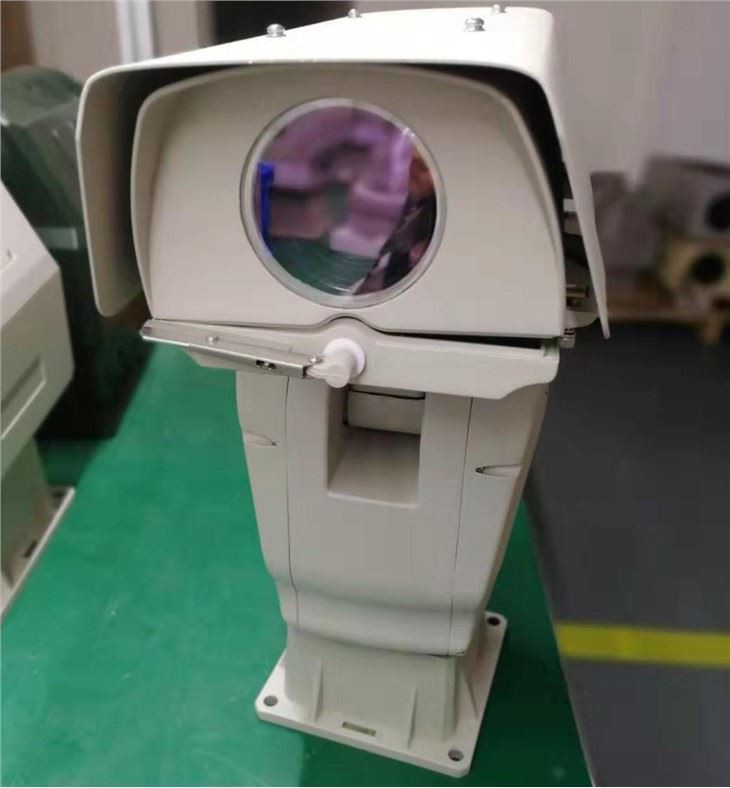

If you are interested in learning more about our PTZ thermal cameras or are considering a purchase, we invite you to contact us for a detailed discussion. Our team of experts is ready to assist you in finding the right camera solution for your specific requirements.
References
- "Thermal Imaging Technology: Principles and Applications" by John Smith
- "Advanced Camera Systems for Industrial and Security Applications" by Emily Davis
- Industry reports on thermal imaging camera performance and specifications


