

Hey there! As a supplier of Dome Camera Covers, I often get asked about the chemical resistance of these covers. And let me tell you, it's a super important topic. Whether you're using the cameras indoors or outdoors, the camera cover needs to be able to withstand various chemicals to keep the camera functioning properly.
Understanding Chemical Resistance
First things first, what exactly do we mean by chemical resistance? In simple terms, it's the ability of a material to resist the effects of chemicals without losing its physical or mechanical properties. For dome camera covers, this means being able to tolerate exposure to things like cleaning agents, solvents, and even environmental pollutants without cracking, discoloring, or degrading.
A dome camera cover is usually made from different materials, each with its own level of chemical resistance. The most common materials are polycarbonate, acrylic, and glass. Polycarbonate is known for its high impact resistance and good chemical resistance. It can handle a wide range of chemicals, including mild acids and bases. However, it's not completely immune. Some strong solvents like acetone can still damage it over time.
Acrylic is another popular choice. It's more transparent than polycarbonate, which is great for getting clear images from the camera. When it comes to chemical resistance, it's also quite decent. It can resist some common cleaning chemicals and a few environmental pollutants. But similar to polycarbonate, it has its limits. Exposure to certain harsh chemicals can cause it to become dull or develop cracks.
Glass, on the other hand, has excellent chemical resistance. It can withstand most chemicals, including strong acids and bases. Of course, it's not indestructible. Physical impact can break it easily, so it's not always the best choice for high - risk areas.
Importance of Chemical Resistance for Dome Camera Covers
Now, you might be wondering why chemical resistance matters so much. Well, think about it. Camera covers are used in all sorts of environments. In industrial settings, they may be exposed to chemicals like oil, grease, and cleaning solvents. If the camera cover isn't chemically resistant, these chemicals can eat away at the cover, making it opaque or weakening its structure. This not only affects the visibility of the camera but also reduces its lifespan.
In outdoor environments, the camera covers are exposed to environmental pollutants such as acid rain, which contains sulfuric and nitric acids. Over time, these acids can corrode the cover if it's not resistant. Even in a normal office or home environment, common cleaning products can cause damage if the cover can't handle them.
Let's say you have a dome camera in a factory area where they use a lot of grease and oil. If the camera cover isn't resistant to these substances, the grease and oil can stick to the cover, making it dirty and hard to see through. You'd have to clean it more often, and with each cleaning, there's a risk of further damage if the cleaning agents aren't compatible with the cover material.
Our Product Range and Chemical Resistance
As a supplier, we offer a variety of dome camera covers, each designed to meet different needs. For example, our Outdoor Waterproof Small Size Camera Housing for PTZ Camera is made from high - quality polycarbonate. This housing is not only great for outdoor use because it's waterproof, but it also has good chemical resistance. It can withstand exposure to some common environmental chemicals and mild cleaning agents, which is perfect for protecting your PTZ camera in outdoor settings.
Our 7 Inch Dome Security Camera Housing is available in both polycarbonate and acrylic options. If you're in an environment where you need high - clarity imaging and don't expect to encounter extremely harsh chemicals, the acrylic option might be a good fit. The acrylic provides clear visibility, and it can resist normal wear - and - tear from common cleaning products and environmental factors. However, if you're in an industrial environment where there's a higher chance of exposure to chemicals, the polycarbonate option is more suitable due to its better chemical resistance.
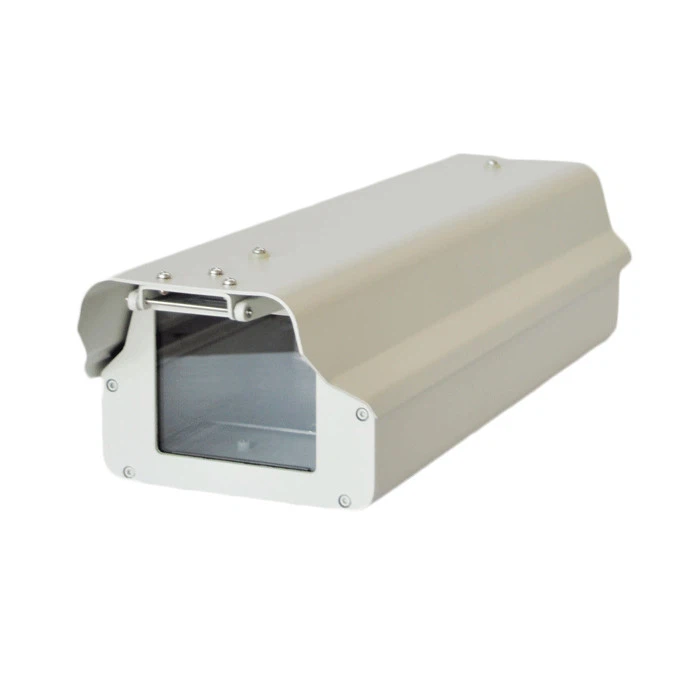
And then there's our Waterproof Medium Size Digital Camera Housing with Light for Security Cameras. This housing combines the benefits of water - proofing and chemical resistance. It's designed to protect your security camera in medium - sized installations, whether it's in a commercial building or an outdoor security setup. The material used in this housing can handle a variety of chemicals, ensuring that your camera stays protected and functional.
Evaluating Chemical Resistance
When choosing a dome camera cover, it's important to evaluate its chemical resistance. One way to do this is to check the product specifications. Our products come with detailed information about the materials used and their chemical resistance properties. You can look for information on what types of chemicals the cover can withstand and to what degree.
Another factor to consider is the expected exposure. If you know your cameras will be in an area with specific chemicals, it's a good idea to do some research on how different materials react to those chemicals. You can also reach out to us, and we'll be more than happy to give you advice based on your specific needs.
It's also important to remember that chemical resistance isn't the only factor. You also need to consider other aspects like impact resistance, clarity, and cost. Sometimes, you might have to make a trade - off. For example, a glass cover may have excellent chemical resistance, but it's more expensive and less impact - resistant compared to polycarbonate.
Maintenance and Chemical Resistance
Proper maintenance can also play a big role in ensuring the long - term chemical resistance of your dome camera covers. When cleaning the covers, always use the recommended cleaning agents. Using the wrong chemicals can damage the cover, even if it's supposed to be chemically resistant.
If you're not sure what cleaning agents to use, you can refer to the product manual or contact us. We can provide you with a list of approved cleaning products that will keep your camera covers clean without damaging them.

Conclusion
In conclusion, the chemical resistance of a dome camera cover is a crucial factor to consider when choosing the right protection for your cameras. Different materials offer different levels of chemical resistance, and it's important to choose one that suits your specific environment.
As a supplier, we're committed to providing high - quality dome camera covers with excellent chemical resistance. Whether you need a small - sized outdoor housing or a large - sized dome for a commercial security system, we have the right product for you.
If you're interested in our products, we'd love to start a conversation about your needs. You can reach out to us for more information, product samples, or to discuss a customized order. Don't hesitate to get in touch if you have any questions or need further advice. Our team is here to help you make the best decision for your camera protection needs.
References
- ASTM Standards for evaluating the chemical resistance of plastics.
- Industry reports on the performance of different materials used in camera housings.


