

Hey there, fellow camera enthusiasts and security pros! As a supplier of dome camera housings, I've seen firsthand the importance of proper storage. You might think it's just about shoving these things in a corner and forgetting about them, but trust me, it's way more than that. In this blog, I'm gonna share the best ways to store dome camera housings to keep them in tip - top shape.
First off, let's talk about why proper storage matters. Dome camera housings are made up of different materials, like plastics, metals, and sometimes glass. These materials can be affected by various environmental factors. If you don't store them correctly, you could end up with warped plastics, rusty metals, or scratched glass, which can all mess up the performance and lifespan of your camera housings.
Temperature and Humidity Control
One of the most crucial factors in storing dome camera housings is controlling the temperature and humidity. Extreme temperatures can cause the materials to expand or contract, leading to cracks or other structural damage. High humidity can promote rust and mold growth, which is a big no - no.
You should aim to store your camera housings in a place where the temperature stays between 50°F and 80°F (10°C - 27°C). This is a comfortable range for most materials and helps prevent any unwanted changes. As for humidity, keep it below 60%. You can use a dehumidifier in the storage area if necessary.
If you're in a region with really harsh winters or hot summers, you might want to consider climate - controlled storage. It's a bit more expensive, but it's worth it to protect your valuable camera housings. For example, if you have Outdoor Waterproof Small Size Camera Housing for PTZ Camera, you don't want it to be damaged by extreme cold or heat during storage.
Protection from Dust and Dirt
Dust and dirt can accumulate on the camera housings over time, and if they get into the small crevices or the camera mounting area, they can cause problems. To protect your dome camera housings from dust, you can use storage containers or covers.
Clear plastic containers are a great option. They allow you to see what's inside without having to open them, and they keep the dust out. You can also use soft, breathable covers made of fabric. Just make sure they fit snugly over the camera housings.
If you're storing a large number of camera housings, you might want to set up a shelving system. This keeps them organized and off the floor, where they're more likely to collect dust. For instance, if you have Outdoor IP66 Large Size Digital Camera Housing with Swiper for Video Surveillance Camera, a proper shelving system can keep it clean and accessible.
Avoiding Physical Damage
Physical damage is another big concern when storing dome camera housings. You don't want them to get knocked around, scratched, or dented. When you're moving the camera housings around, handle them with care. Use two hands to lift them, especially the larger ones.
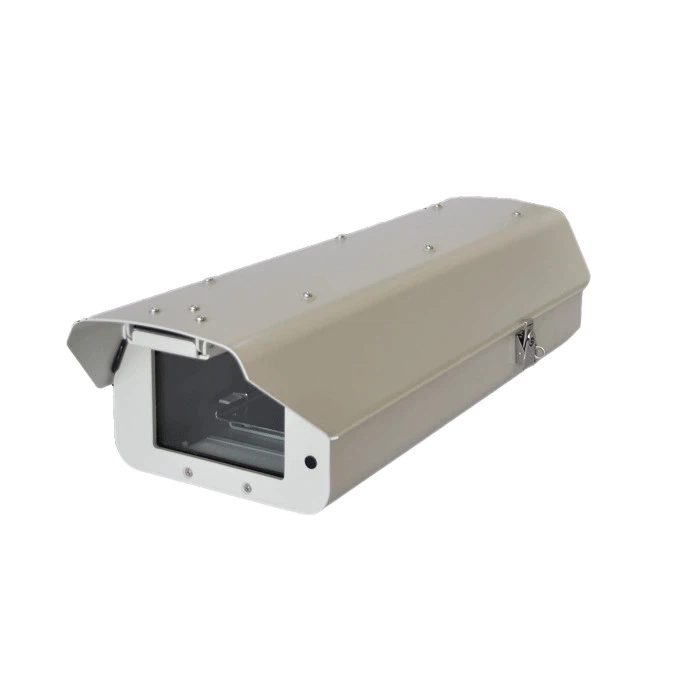

If you're stacking the camera housings, make sure you do it in a stable way. Place a soft padding between each housing to prevent scratches. You can use foam sheets or even old towels. Also, don't stack them too high, as this can increase the risk of them toppling over.
For smaller camera housings, like the Waterproof Medium Size Digital Camera Housing with Light for Security Cameras, you can use individual compartments in a storage box to keep them separate and protected.
Labeling and Organization
Labeling and organization are key to efficient storage. When you have a lot of camera housings, it can be a nightmare to find the one you need. By labeling each container or housing with details like the model, size, and date of purchase, you can save a lot of time.
You can use a simple label maker or just write on the containers with a permanent marker. Create an inventory list as well, so you know exactly what you have in storage. This can also be helpful for tracking the usage and replacement of your camera housings.
Long - Term Storage Considerations
If you're planning to store your dome camera housings for a long time, there are a few additional things to keep in mind. First, give them a good cleaning before storing them. Remove any dirt, fingerprints, or debris. You can use a mild cleaning solution and a soft cloth.
For metal parts, you can apply a thin layer of rust - preventive oil. This helps protect them from corrosion during long - term storage. Also, check on your stored camera housings periodically. Even if they're in a well - controlled environment, it's still a good idea to make sure everything is okay.
Conclusion
So, there you have it, the best ways to store dome camera housings. By controlling the temperature and humidity, protecting them from dust and physical damage, and keeping them organized, you can ensure that your camera housings stay in great condition.
If you're in the market for high - quality dome camera housings, we've got you covered. Whether you need a small, waterproof housing for a PTZ camera or a large, IP66 - rated housing for video surveillance, we have a wide range of options. If you're interested in purchasing or have any questions, feel free to reach out and start a procurement discussion.
References
- General knowledge on material storage and protection
- Industry standards for camera housing storage


