

As a supplier of Hidden PTZ cameras, I've had the privilege of working on numerous parking lot surveillance projects. The question of the best positions for a Hidden PTZ camera in a parking lot is crucial, as it directly impacts the effectiveness of the surveillance system. In this blog, I'll share some insights based on my experience and industry knowledge.
Understanding the Role of Hidden PTZ Cameras in Parking Lots
Before delving into the best positions, it's important to understand why Hidden PTZ cameras are so valuable in parking lots. These cameras offer pan, tilt, and zoom capabilities, allowing for wide - area coverage and the ability to focus on specific details. Their hidden nature makes them less likely to be tampered with or avoided by potential wrongdoers.
Entrances and Exits
One of the most strategic positions for a Hidden PTZ camera is at the entrances and exits of the parking lot. These are the points where vehicles enter and leave the premises, and capturing clear images at these locations can be invaluable for security and management purposes.
At the entrance, the camera can record license plate numbers, the time of entry, and the type of vehicle. This information can be used for access control, billing, and identifying any unauthorized vehicles. At the exit, the camera can cross - reference the exit time with the entry time, ensuring that vehicles are not staying longer than permitted.
The camera should be installed at a height that provides a clear view of the license plates and the front or rear of the vehicle. A height of around 8 - 10 feet is often ideal, as it minimizes the risk of the camera being blocked by vehicles or other objects.
Parking Aisles
Parking aisles are another critical area to monitor. These are the pathways where vehicles move within the parking lot, and accidents, thefts, and other incidents can occur. By placing Hidden PTZ cameras along the parking aisles, you can capture any suspicious activities, such as a vehicle being broken into or a fender - bender.
The cameras should be positioned at regular intervals along the aisles, with a focus on areas where visibility may be limited, such as around corners or near large vehicles. For example, a camera placed at a 45 - degree angle at the end of an aisle can cover a large area of the adjacent rows of parking spaces.
High - Traffic Areas
High - traffic areas within the parking lot, such as near elevators, stairwells, and pedestrian walkways, should also be equipped with Hidden PTZ cameras. These areas are more likely to experience a higher volume of activity, including people getting in and out of vehicles, and are therefore more vulnerable to security threats.
For example, a camera near an elevator can monitor who is entering and leaving the parking lot on foot, which can be useful for identifying potential suspects in case of a crime. The camera should be installed in a location that provides a clear view of the entrance and exit points of these high - traffic areas.
Blind Spots
Blind spots in the parking lot are areas where visibility is limited, and these are often the areas where criminal activities are more likely to occur. Hidden PTZ cameras can be strategically placed to cover these blind spots.
Examples of blind spots include areas behind large columns, near dumpsters, or in the corners of the parking lot. By installing cameras in these locations, you can eliminate the areas where criminals might try to hide or carry out illegal activities undetected.
Roof - Top Locations
In some parking lots, especially large multi - level ones, roof - top locations can be an excellent place to install Hidden PTZ cameras. From the roof, the camera can provide a bird's - eye view of the entire parking lot, allowing for comprehensive monitoring.
Roof - top cameras can be used to detect any large - scale activities, such as a group of vehicles congregating in an unauthorized area or a vehicle driving in the wrong direction. They can also be used to monitor the overall flow of traffic within the parking lot.
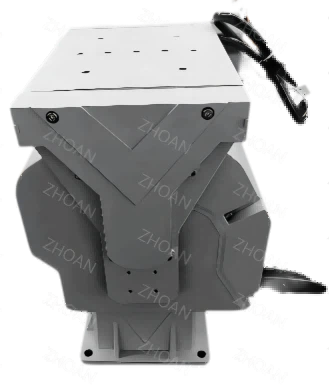
However, when installing cameras on the roof, it's important to ensure that they are protected from the elements. Consider using cameras like the Outdoor Heavy Duty Intelligent Variable Speed Pan Tilt, which are designed to withstand harsh weather conditions.
Choosing the Right Camera for the Job
When selecting Hidden PTZ cameras for a parking lot, it's important to consider the specific requirements of the location. For example, if the parking lot is in an area with a lot of movement, a camera with a high - speed pan and tilt function, such as the Variable Speed Medium Duty Motorized Pan Tilt Head With15kg (33.07lb) Payload, may be more suitable.
If the parking lot requires both day and night monitoring, a dual - spectrum camera like the ZA - PT306 - 30ZT19 Dual - Spectrum PTZ Pan Tilt Camera can provide clear images in different lighting conditions.
Installation and Maintenance
Proper installation and maintenance are key to ensuring the effectiveness of the Hidden PTZ cameras. The cameras should be installed by trained professionals to ensure that they are positioned correctly and securely.
Regular maintenance, including cleaning the lenses, checking the power supply, and updating the software, is also essential. This will help to ensure that the cameras are always in good working condition and providing high - quality images.

Conclusion
In conclusion, the best positions for a Hidden PTZ camera in a parking lot include entrances and exits, parking aisles, high - traffic areas, blind spots, and roof - top locations. By strategically placing cameras in these areas, you can enhance the security and management of the parking lot.
If you're interested in learning more about our Hidden PTZ cameras or discussing a potential project for your parking lot, we'd love to hear from you. Our team of experts can provide you with customized solutions based on your specific needs. Contact us to start a conversation about how we can help you improve the surveillance of your parking lot.
References
- "Parking Lot Security Best Practices", Security Industry Association
- "Surveillance Camera Placement Guidelines", National Institute of Justice


