

As a supplier of IP66 camera housings, I've often been asked whether our products are suitable for use in textile mills. In this blog, I'll explore the key aspects of IP66 camera housings and evaluate their viability in the unique environment of textile mills.
Understanding IP66 Camera Housings
First, let's clarify what an IP66 camera housing is. The IP (Ingress Protection) rating system is used to define the level of protection provided by an enclosure against the intrusion of solid objects (like dust) and liquids. An IP66 rating means that the housing is completely protected against dust ingress (the '6' for solids) and is protected against powerful jets of water from any direction without harmful effects (the second '6' for liquids).
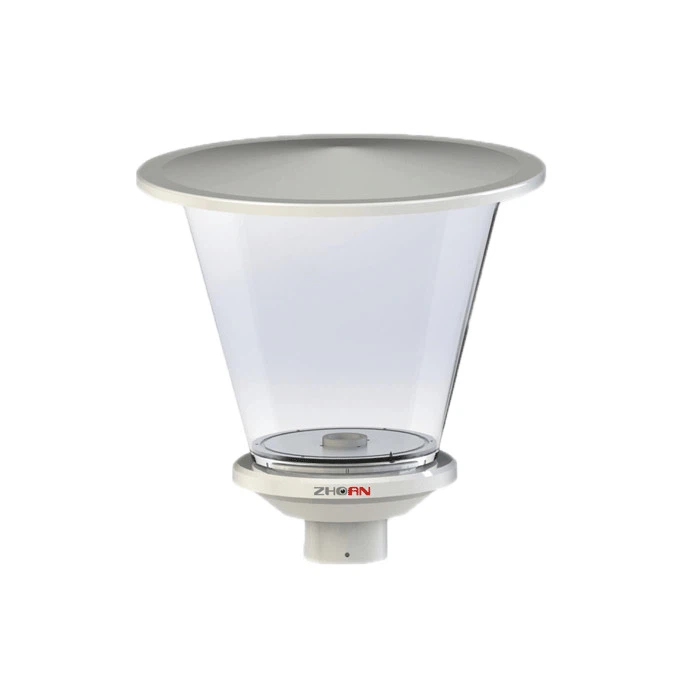
These housings are designed to safeguard cameras in harsh environments. They are typically made from durable materials such as high - grade plastics or metals, which can withstand physical impacts, extreme temperatures, and corrosive substances to some extent. Our company offers a range of IP66 camera housings, including the 7 Inch Dome Security Camera Housing, which provides a sleek and functional solution for various surveillance needs.
The Environment in Textile Mills
Textile mills have a distinct environment that poses several challenges for surveillance equipment. One of the most significant issues is the presence of textile fibers and dust. During the manufacturing process, fibers are constantly released into the air. These fine particles can accumulate on equipment, potentially clogging ventilation holes, lenses, and other sensitive components of a camera system.
Another challenge is the moisture level. Some textile processes involve the use of water or steam, which can increase the humidity in the mill. Additionally, cleaning operations may involve the use of water jets, which means that surveillance equipment needs to be protected against water ingress.
Advantages of IP66 Camera Housings in Textile Mills
Dust Protection
The IP66 rating's dust - tight feature is a major advantage in textile mills. The high - level dust protection ensures that the camera inside the housing remains free from dust accumulation. This is crucial because dust on the camera lens can obstruct the view, reducing the quality of surveillance footage. With an IP66 housing, the camera can continue to operate clearly, providing reliable monitoring of the production process, worker safety, and inventory management.

Water Resistance
As mentioned earlier, textile mills may have areas with high humidity or where water is used. The ability of IP66 camera housings to withstand powerful water jets makes them suitable for these conditions. Whether it's accidental splashes during cleaning or steam from certain manufacturing processes, the housing will protect the camera from water damage. This durability ensures a longer lifespan for the camera system, reducing the need for frequent replacements and maintenance.
Durability
Textile mills are busy industrial environments where there is a risk of physical damage to equipment. IP66 camera housings are built to be robust. They can withstand minor impacts from moving machinery, falling objects, or accidental bumps. This durability means that the camera housing can maintain its integrity and continue to protect the camera, even in a bustling mill environment.
Considerations and Limitations
While IP66 camera housings offer many benefits, there are also some considerations when using them in textile mills.
Temperature and Ventilation
Textile mills can have high - temperature areas, especially near certain machinery. Although IP66 housings are designed to withstand a certain range of temperatures, excessive heat can still affect the performance of the camera inside. Adequate ventilation is necessary to prevent overheating. However, the dust - tight design of IP66 housings may limit natural ventilation. In such cases, additional cooling solutions, such as fans or heat sinks, may need to be considered.
Fiber Buildup on the Exterior
Even though the housing is dust - tight, textile fibers can still accumulate on the exterior. Over time, this buildup can affect the appearance of the housing and may also impede the operation of any external components, such as wipers or heaters. Regular cleaning of the housing exterior is recommended to prevent these issues.
Customization Options
To address the specific needs of textile mills, we also offer Customized Dome Camera Housing. These can be tailored to include features such as enhanced ventilation systems, anti - static coatings to reduce fiber adhesion, and special lens treatments to prevent fogging in high - humidity environments.
Case Studies
In some textile mills where our IP66 camera housings have been installed, the results have been promising. For example, a large - scale textile manufacturer reported a significant improvement in the quality and reliability of their surveillance footage after switching to our IP66 camera housings. The cameras were able to operate continuously without being affected by dust or water, which helped in better monitoring of the production line and ensuring worker safety.
Conclusion
In summary, IP66 camera housings are generally well - suited for use in textile mills. Their dust and water protection features, along with their durability, make them a reliable choice for surveillance in this challenging environment. However, it's important to consider the specific conditions of each mill, such as temperature and fiber buildup, and to take appropriate measures to ensure optimal performance.
If you're in the textile mill industry and are looking for a reliable surveillance solution, our IP66 camera housings, including the Waterproof Double Cabin Camera Housing with Optional Glass and Sunshield for Security Camera System, could be the right choice for you. We are more than happy to discuss your specific requirements and provide customized solutions. Contact us to start a procurement discussion and find the best camera housing for your textile mill.
References
- International Electrotechnical Commission (IEC) standards for IP ratings.
- Industry reports on surveillance equipment in industrial environments.


