

Maintaining a CCTV camera housing is crucial for ensuring the longevity and optimal performance of your video surveillance system. As a leading CCTV Camera Housing supplier, we understand the importance of proper maintenance to protect your valuable cameras from various environmental factors and potential damages. In this blog, we will share some essential tips on how to maintain a CCTV camera housing effectively.
Regular Inspection
The first step in maintaining a CCTV camera housing is to conduct regular inspections. This should be done at least once a month, or more frequently in harsh environments. Start by visually examining the housing for any signs of physical damage, such as cracks, dents, or loose parts. Check the seals around the housing to ensure they are intact and providing a proper waterproof and dustproof barrier.
Inspect the camera lens for dirt, dust, or smudges. Even a small amount of debris on the lens can significantly affect the image quality. Use a soft, lint - free cloth to gently wipe the lens. If the lens is extremely dirty, you can use a mild lens cleaning solution. However, be careful not to get any liquid inside the housing.
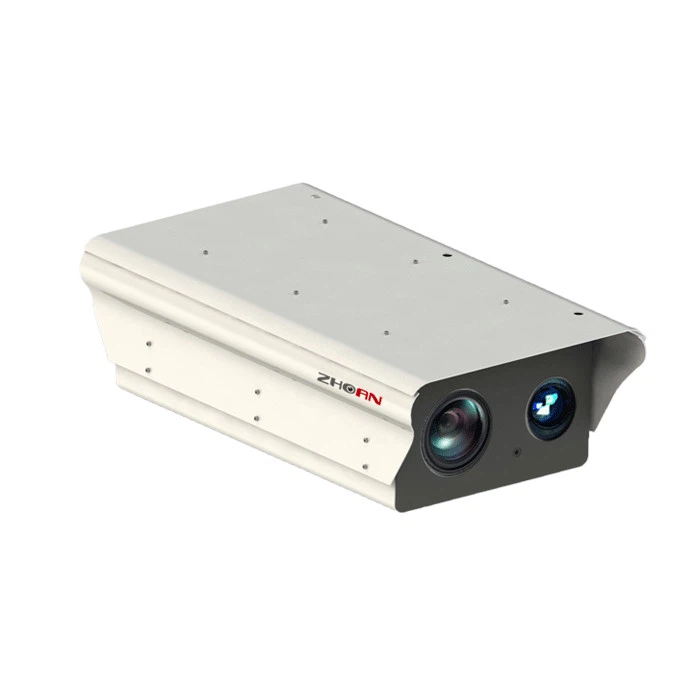
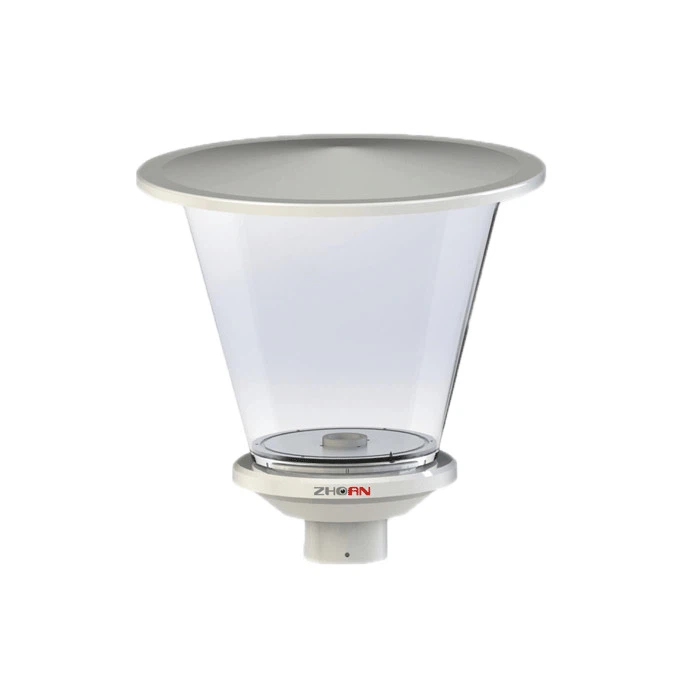
Also, check the mounting brackets and hardware. Make sure the camera housing is securely attached to its mounting surface. Loose mounts can cause the camera to move, resulting in a distorted or unstable image. Tighten any loose screws or bolts as needed.
Cleaning the Exterior
Cleaning the exterior of the CCTV camera housing is an important part of maintenance. Over time, dirt, dust, bird droppings, and other debris can accumulate on the housing, which not only affects the appearance but can also block the camera's view.
For general cleaning, use a soft brush or a microfiber cloth to remove loose dirt and dust. You can also use a mild soap solution and water to clean the housing. Dip a cloth in the soapy water, wring it out well, and then gently wipe the housing. Avoid using abrasive cleaners or scrubbers, as they can scratch the surface of the housing.
If the housing is located in an area with heavy pollution or saltwater exposure, more frequent cleaning may be required. In such cases, you may need to use a specialized cleaning agent designed for the specific type of contamination.
Protecting Against the Elements
CCTV camera housings are often exposed to various environmental elements, such as rain, snow, sunlight, and extreme temperatures. To protect the housing and the camera inside, it is essential to choose a housing that is suitable for the specific environmental conditions.
For outdoor applications, consider using a housing with a high - level of weatherproofing, such as the Outdoor IP66 Large Size Digital Camera Housing with Swiper for Video Surveillance Camera. This housing is designed to withstand harsh weather conditions, including heavy rain and dust. The swiper can help keep the lens clean, ensuring a clear view even in adverse weather.
In areas with high humidity or frequent precipitation, a Waterproof Double Cabin Camera Housing with Optional Glass and Sunshield for Security Camera System can provide additional protection. The double - cabin design helps prevent water from seeping into the housing, and the optional sunshield can protect the camera from direct sunlight, which can cause overheating.
During extreme cold or hot weather, make sure the housing has proper insulation and ventilation. Some camera housings are equipped with heaters or fans to maintain a stable internal temperature. Check these components regularly to ensure they are functioning properly.
Maintaining the Electrical Components
The electrical components of the CCTV camera housing, such as the power supply, cables, and connectors, also require regular maintenance. Check the power supply for any signs of overheating, frayed wires, or loose connections. A faulty power supply can cause the camera to malfunction or even damage the housing.
Inspect the cables for any signs of wear or damage. Replace any damaged cables immediately to prevent electrical shorts or signal loss. Make sure all connectors are clean and securely attached. Loose connectors can lead to intermittent or poor - quality video signals.
If your camera housing has additional features, such as pan - tilt - zoom (PTZ) controls or infrared illumination, test these functions regularly. Ensure that the PTZ mechanism moves smoothly and that the infrared lights are working correctly.
Addressing Condensation
Condensation inside the CCTV camera housing can be a common problem, especially in environments with high humidity or significant temperature changes. Condensation can fog up the lens, reducing the image quality, and can also cause damage to the internal components over time.
To prevent condensation, ensure that the housing is properly sealed. Check the seals regularly and replace them if they are damaged or worn. Some camera housings are equipped with desiccants or moisture - absorbing materials. Replace these as recommended by the manufacturer.
If condensation does occur, you can try to remove it by gently heating the housing. However, be careful not to overheat the camera or the housing. In some cases, you may need to open the housing (following proper safety procedures) and dry the internal components thoroughly.
Customized Maintenance for Specialized Housings
If you are using a Customized Dome Camera Housing, the maintenance requirements may be slightly different. Dome camera housings are designed to provide a wide - angle view and are often used in indoor or outdoor settings.
For dome camera housings, pay special attention to the dome cover. Clean the dome regularly to ensure a clear view. Use a soft cloth and a mild cleaning solution to avoid scratching the dome. Check the mounting of the dome to ensure it is secure and does not interfere with the camera's movement.
Contact Us for More Information
Proper maintenance of your CCTV camera housing is essential for the long - term performance and reliability of your video surveillance system. As a professional CCTV Camera Housing supplier, we have the expertise and high - quality products to meet your needs.
If you have any questions about CCTV camera housing maintenance or if you are interested in purchasing our products, please feel free to contact us. We are here to provide you with the best solutions and support for your surveillance requirements. Whether you need a standard housing or a customized one, we can offer you a wide range of options to suit your specific application.
References
- CCTV Camera Handbook: A Comprehensive Guide to Video Surveillance Systems
- Best Practices for Maintaining Video Surveillance Equipment, Industry Report


