

Ensuring the tight seal of a camera housing is of utmost importance for any camera housing supplier. A proper seal not only protects the camera from environmental elements such as dust, water, and moisture but also extends the lifespan of the camera and ensures its optimal performance. As a reputable camera housing supplier, we understand the significance of a tight seal and have developed several strategies to achieve this goal.
Understanding the Importance of a Tight Seal
Before delving into the methods of ensuring a tight seal, it is crucial to understand why it is so important. A camera housing is designed to protect the camera from various environmental factors. Without a proper seal, dust, water, and moisture can enter the housing, causing damage to the camera's internal components. This can lead to malfunctions, reduced image quality, and ultimately, a shorter lifespan for the camera.
In outdoor environments, the risk of exposure to water and dust is particularly high. For example, in areas with heavy rainfall or high humidity, water can seep into the housing if the seal is not tight. Similarly, in dusty environments, fine particles can penetrate the housing and accumulate on the camera's lens or other components, affecting its performance.
Selecting the Right Materials
The first step in ensuring a tight seal is selecting the right materials for the camera housing. The housing should be made of high-quality, durable materials that are resistant to environmental factors. For example, materials such as polycarbonate, aluminum, and stainless steel are commonly used for camera housings due to their strength, durability, and resistance to corrosion.
In addition to the housing material, the sealing components such as gaskets and O-rings also play a crucial role in ensuring a tight seal. These components should be made of materials that are resistant to water, oil, and other chemicals. Silicone, neoprene, and EPDM are some of the commonly used materials for gaskets and O-rings due to their excellent sealing properties and resistance to environmental factors.
Designing the Housing for a Tight Seal
The design of the camera housing also plays a significant role in ensuring a tight seal. The housing should be designed in such a way that it minimizes the number of openings and joints where water and dust can enter. For example, a one-piece housing design is often preferred over a multi-piece design as it reduces the number of potential entry points.
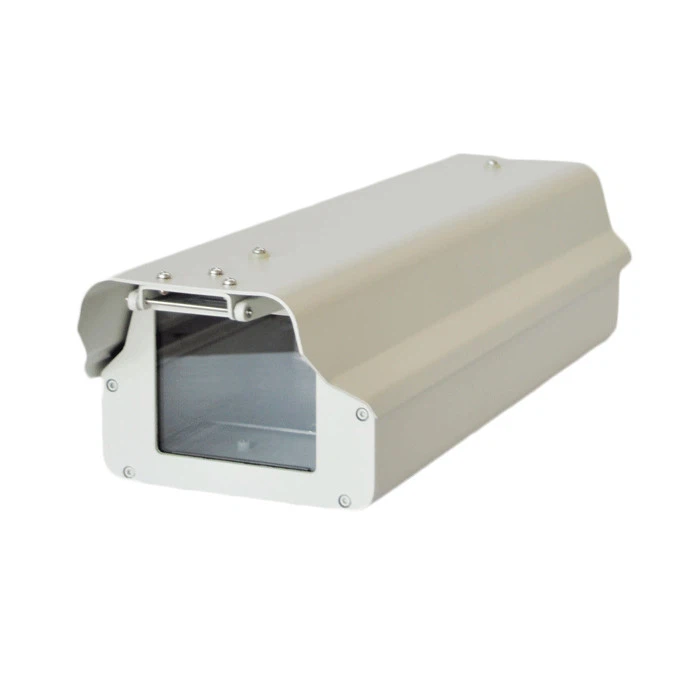
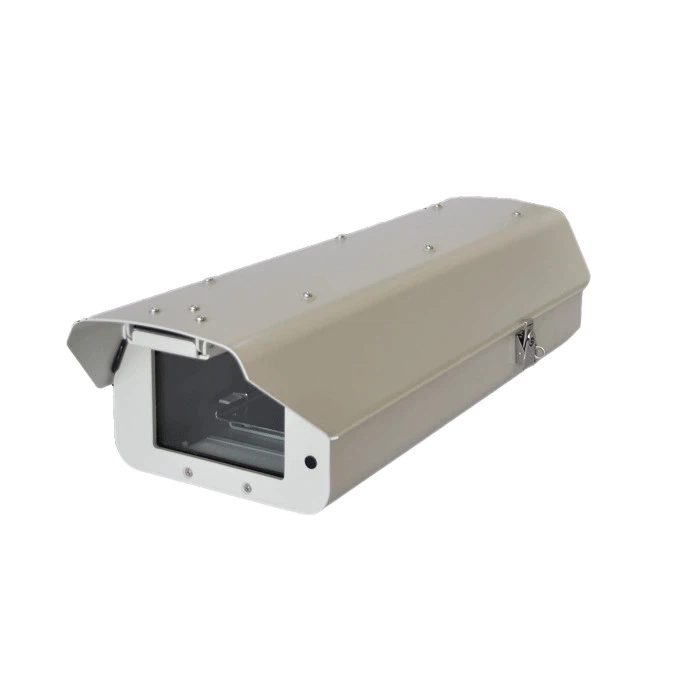
In addition to the overall design, the shape and size of the housing should also be carefully considered. The housing should be designed to fit the camera snugly, leaving no gaps or spaces where water and dust can accumulate. The edges of the housing should be smooth and free of sharp corners or edges that could damage the sealing components.
Proper Installation of Sealing Components
Once the materials and design of the camera housing have been selected, the next step is to ensure the proper installation of the sealing components. The gaskets and O-rings should be installed correctly, following the manufacturer's instructions. They should be seated properly in their grooves and compressed evenly to ensure a tight seal.
During the installation process, it is important to clean the surfaces where the sealing components will be installed. Any dirt, debris, or oil on these surfaces can prevent the sealing components from making a proper seal. It is also important to use the right tools and techniques during the installation process to avoid damaging the sealing components.
Testing the Seal
After the camera housing has been assembled, it is important to test the seal to ensure that it is tight. There are several methods that can be used to test the seal, including pressure testing, water immersion testing, and dust testing.
Pressure testing involves applying a controlled amount of pressure to the inside of the housing and monitoring for any leaks. If there are any leaks, the pressure will drop, indicating that the seal is not tight. Water immersion testing involves submerging the housing in water for a specified period of time and checking for any signs of water entry. Dust testing involves exposing the housing to a controlled amount of dust and checking for any dust accumulation inside the housing.
Regular Maintenance and Inspection
Even with a tight seal, it is important to perform regular maintenance and inspection of the camera housing to ensure that the seal remains intact. Over time, the sealing components can wear out or become damaged, leading to a loss of seal. Regular maintenance and inspection can help identify any potential issues before they become major problems.
During the maintenance and inspection process, it is important to check the condition of the sealing components and replace them if necessary. It is also important to clean the housing and the sealing components regularly to remove any dirt, debris, or oil that could affect the seal.
Our Product Range
As a camera housing supplier, we offer a wide range of camera housings that are designed to provide a tight seal and protect the camera from environmental factors. Our products include Outdoor Waterproof Small Size Camera Housing for PTZ Camera, Outdoor IP66 Large Size Digital Camera Housing with Swiper for Video Surveillance Camera, and Waterproof Medium Size Digital Camera Housing with Light for Security Cameras.
All of our camera housings are made of high-quality materials and are designed to provide a tight seal. They are also tested rigorously to ensure that they meet the highest standards of quality and performance.
Conclusion
Ensuring the tight seal of a camera housing is a critical aspect of camera housing design and manufacturing. By selecting the right materials, designing the housing properly, installing the sealing components correctly, testing the seal, and performing regular maintenance and inspection, we can ensure that our camera housings provide a reliable and long-lasting seal.
If you are interested in purchasing our camera housings or have any questions about ensuring the tight seal of a camera housing, please feel free to contact us. We would be happy to assist you with your camera housing needs.
References
- Smith, J. (2020). Camera Housing Design and Manufacturing. New York: Camera Press.
- Johnson, A. (2019). Sealing Technologies for Camera Housings. London: Sealing Solutions Ltd.
- Brown, C. (2018). Environmental Protection for Cameras. Sydney: Environmental Protection Press.


