

Hey there! As a supplier of pan tilt zoom (PTZ) systems, I've seen firsthand how crucial it is to pick the right one. Whether you're setting up a security system, a live streaming setup, or a surveillance network, choosing the appropriate PTZ system can make or break your project. In this blog, I'll share some tips on how to choose the right PTZ system for your needs.
1. Determine Your Application
The first step in choosing a PTZ system is to figure out what you'll be using it for. Different applications have different requirements, so it's important to have a clear understanding of your needs. Here are some common applications and their considerations:
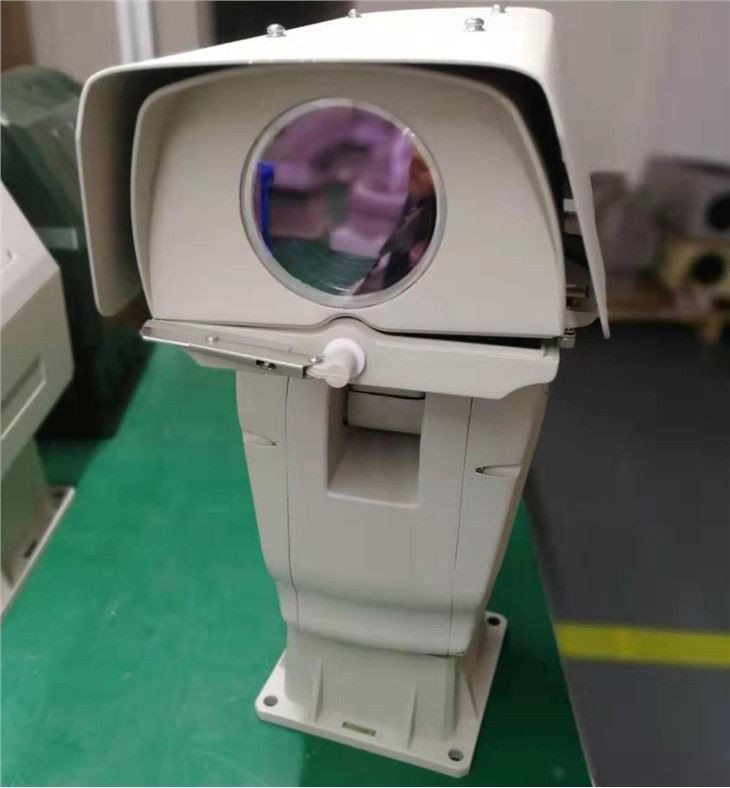
- Security and Surveillance: If you're using the PTZ system for security purposes, you'll need a camera with high-resolution video, wide-angle coverage, and good low-light performance. Look for features like motion detection, night vision, and remote access. For example, our HD Integrated Intelligent PTZ Camera With Laser is a great option for security applications. It offers high-definition video, a powerful laser for long-range illumination, and intelligent features like object tracking.
- Live Streaming and Broadcasting: For live streaming or broadcasting, you'll want a PTZ camera that can provide smooth, stable video with accurate color reproduction. Look for cameras with features like autofocus, image stabilization, and the ability to connect to your streaming equipment easily. Our HD Intelligent High Speed PTZ Camera is ideal for live streaming. It has a high-speed pan and tilt mechanism, allowing for quick and smooth movements, and it supports various video output formats.
- Industrial and Commercial Monitoring: In industrial or commercial settings, you may need a PTZ camera that can withstand harsh environments. Look for cameras with rugged construction, weatherproofing, and the ability to operate in extreme temperatures. Consider cameras with features like dust and water resistance, shock and vibration resistance, and long-term reliability.
2. Consider the Camera Specifications
Once you've determined your application, it's time to look at the camera specifications. Here are some key specifications to consider:
- Resolution: The resolution of the camera determines the clarity and detail of the video. Higher resolutions, such as 1080p or 4K, are ideal for applications where you need to see fine details. However, keep in mind that higher resolutions also require more storage space and bandwidth.
- Frame Rate: The frame rate refers to the number of frames per second (fps) that the camera can capture. A higher frame rate results in smoother video, especially for fast-moving objects. For most applications, a frame rate of 30 fps or higher is recommended.
- Zoom Range: The zoom range of the camera determines how far you can zoom in on a subject. Look for cameras with a wide zoom range, especially if you need to monitor large areas or objects from a distance. Our Continuous Rotation PTZ PAN TILT Camera offers a continuous rotation feature, allowing for 360-degree pan and tilt, and a wide zoom range for flexible monitoring.
- Field of View (FOV): The field of view refers to the area that the camera can capture. A wider field of view is useful for monitoring large areas, while a narrower field of view is better for focusing on specific objects or details. Consider the size of the area you need to monitor and choose a camera with an appropriate FOV.
- Low-Light Performance: If you'll be using the camera in low-light conditions, look for cameras with good low-light performance. Features like infrared (IR) illumination, high sensitivity sensors, and noise reduction technology can help improve the video quality in low-light environments.
3. Evaluate the PTZ Mechanism
The PTZ mechanism is an important part of the PTZ system, as it determines how the camera moves. Here are some factors to consider when evaluating the PTZ mechanism:
- Speed: The speed of the PTZ mechanism determines how quickly the camera can pan, tilt, and zoom. A faster speed is useful for applications where you need to track fast-moving objects or respond quickly to events. Look for cameras with adjustable speed settings to suit your specific needs.
- Accuracy: The accuracy of the PTZ mechanism determines how precisely the camera can move to a specific position. A high level of accuracy is important for applications where you need to focus on specific objects or areas. Look for cameras with precise positioning controls and calibration features.
- Smoothness: The smoothness of the PTZ mechanism determines how smoothly the camera moves. A smooth movement is important for providing a professional-looking video, especially for live streaming or broadcasting applications. Look for cameras with a high-quality motor and gear system to ensure smooth and quiet operation.
- Range of Motion: The range of motion of the PTZ mechanism determines how far the camera can pan, tilt, and zoom. A wider range of motion is useful for monitoring large areas or objects from different angles. Look for cameras with a 360-degree pan and a wide tilt range for maximum flexibility.
4. Look for Additional Features
In addition to the camera specifications and PTZ mechanism, there are some additional features that you may want to consider. Here are some examples:

- Autofocus: Autofocus is a useful feature that allows the camera to automatically focus on the subject. This is especially helpful for applications where the subject is moving or where you need to quickly change the focus.
- Image Stabilization: Image stabilization helps to reduce camera shake and produce a smoother video. This is important for handheld or mobile applications, as well as for applications where the camera is mounted on a moving platform.
- Remote Control: Remote control allows you to operate the PTZ camera from a distance. This is useful for applications where you need to control the camera from a central location or where you want to be able to adjust the camera settings without physically accessing the camera.
- Presets: Presets allow you to save specific camera positions and quickly recall them later. This is useful for applications where you need to monitor multiple areas or objects and want to be able to quickly switch between different views.
- Analytics: Some PTZ cameras offer analytics features, such as motion detection, object tracking, and facial recognition. These features can help you to analyze the video footage and identify potential threats or events.
5. Consider the Cost and Support
Finally, you'll need to consider the cost and support of the PTZ system. Here are some factors to keep in mind:
- Cost: The cost of the PTZ system can vary depending on the camera specifications, features, and brand. Set a budget and look for cameras that offer the best value for your money. Keep in mind that a higher-quality camera may cost more upfront, but it can save you money in the long run by providing better performance and reliability.
- Warranty and Support: Look for cameras that come with a warranty and good customer support. A warranty can provide peace of mind and protect you against any defects or malfunctions. Good customer support can help you to troubleshoot any issues that you may encounter and ensure that your PTZ system is working properly.
- Compatibility: Make sure that the PTZ system is compatible with your existing equipment and software. This includes your network infrastructure, video management system (VMS), and any other devices that you plan to use with the camera.
In conclusion, choosing the right PTZ system requires careful consideration of your application, camera specifications, PTZ mechanism, additional features, cost, and support. By following these tips, you can select a PTZ system that meets your specific needs and provides reliable performance. If you have any questions or need further assistance, please don't hesitate to contact us. We're here to help you find the perfect PTZ system for your project.
References
- Camera Technology Handbook, Third Edition, by John C. Dainty and R. R. Shaw
- Security Camera Systems: A Complete Guide, by Mark S. Miller


