

When it comes to selecting an IP66 camera housing, one crucial aspect that often gets overlooked is the color. The color of an IP66 camera housing is not just a matter of aesthetics; it can significantly impact the camera's performance, durability, and overall functionality. As a trusted supplier of high-quality IP66 camera housings, we understand the importance of making an informed decision regarding color selection. In this blog post, we'll explore the key factors to consider when choosing the color of an IP66 camera housing and provide valuable insights to help you make the right choice for your specific needs.
1. Environmental Considerations
The environment in which the camera will be installed plays a pivotal role in determining the most suitable color for the housing. Different colors absorb and reflect sunlight and heat at varying rates, which can affect the camera's internal temperature and performance.
- Hot Climates: In regions with high temperatures and intense sunlight, light-colored camera housings are generally preferred. Colors such as white, silver, or beige reflect a significant portion of the sun's rays, reducing heat absorption and minimizing the risk of overheating. This helps to maintain the camera's optimal operating temperature and prolongs its lifespan. For example, our Outdoor IP66 Large Size Digital Camera Housing with Swiper for Video Surveillance Camera is available in a sleek white finish that is ideal for hot climates.
- Cold Climates: Conversely, in colder regions, darker-colored camera housings may be more appropriate. Colors like black, dark gray, or brown absorb more sunlight and heat, which can help to keep the camera warm during cold weather. This can prevent freezing and ensure reliable operation even in harsh winter conditions. Our Waterproof Medium Size Digital Camera Housing with Light for Security Cameras is available in a stylish black finish that is well-suited for cold climates.
- Camouflage and Concealment: In some cases, you may want to choose a color that allows the camera to blend in with its surroundings for security or aesthetic reasons. For outdoor installations in natural settings, colors like green or earth tones can help the camera to blend in with foliage and terrain. For indoor installations, neutral colors like gray or white can provide a discreet and unobtrusive appearance. Our Outdoor Waterproof Small Size Camera Housing for PTZ Camera is available in a variety of colors to suit different environmental requirements.
2. Visibility and Safety
The visibility of the camera housing can also be an important consideration, especially in areas where surveillance is intended to deter crime or provide a sense of security. In some cases, a highly visible camera housing can act as a deterrent to potential criminals, as it signals the presence of a monitoring system. On the other hand, in certain environments where privacy is a concern, a less visible camera housing may be preferred.
- High-Visibility Colors: Bright colors such as yellow, orange, or red are highly visible and can make the camera more noticeable. This can be particularly effective in areas where surveillance is intended to deter unauthorized access or criminal activity. For example, in parking lots, warehouses, or construction sites, a brightly colored camera housing can serve as a visual warning to potential intruders.
- Low-Visibility Colors: In contrast, colors like black, dark blue, or metallic finishes can provide a more discreet appearance, making the camera less noticeable. This can be beneficial in areas where privacy is important, such as residential properties, sensitive information areas, or public spaces where individuals may not want to be constantly monitored.
3. Aesthetic and Branding Considerations
The color of the camera housing can also have an impact on the overall aesthetic appeal of the installation and the brand image of the organization. In some cases, you may want to choose a color that complements the surrounding architecture or interior design of the building. Additionally, if you are using the cameras for business purposes, you may want to select a color that aligns with your company's branding and corporate identity.
- Architectural Compatibility: When choosing a color for the camera housing, it's important to consider the architectural style and color scheme of the building or area where the camera will be installed. For example, if the building has a modern and minimalist design, a sleek and contemporary color like silver or black may be more appropriate. On the other hand, if the building has a traditional or historic architecture, a color that matches the existing exterior finishes, such as brown or beige, may be a better choice.
- Branding and Corporate Identity: If you are using the cameras for business purposes, the color of the camera housing can be a powerful branding tool. You may want to select a color that matches your company's logo, brand colors, or corporate identity to create a cohesive and professional appearance. This can help to reinforce your brand image and make a positive impression on customers, clients, and visitors.
4. Durability and Maintenance
The color of the camera housing can also affect its durability and maintenance requirements. Some colors may be more prone to fading, staining, or discoloration over time, especially when exposed to harsh environmental conditions such as sunlight, rain, or chemicals.
- Fade Resistance: When choosing a color for the camera housing, it's important to select a finish that is resistant to fading. This is especially important for outdoor installations, where the housing will be exposed to long periods of sunlight. Look for camera housings that are made from high-quality materials and have a UV-resistant coating to prevent color fading and maintain the housing's appearance over time.
- Stain Resistance: In some environments, the camera housing may be exposed to dirt, dust, or other contaminants that can cause staining or discoloration. To minimize the need for frequent cleaning and maintenance, choose a color that is resistant to staining. Light-colored housings may be more prone to showing dirt and stains, while darker colors may be more forgiving in this regard.
5. Regulatory and Compliance Requirements
In some cases, there may be regulatory or compliance requirements that dictate the color of the camera housing. For example, in certain industries or applications, such as transportation, healthcare, or food processing, there may be specific color standards or guidelines that must be followed. It's important to consult with local regulations and industry standards to ensure that the color of the camera housing meets all applicable requirements.
Conclusion
Choosing the right color for an IP66 camera housing is a critical decision that can have a significant impact on the camera's performance, durability, and overall functionality. By considering the environmental conditions, visibility and safety requirements, aesthetic and branding considerations, durability and maintenance, and regulatory and compliance requirements, you can make an informed decision that meets your specific needs and preferences.

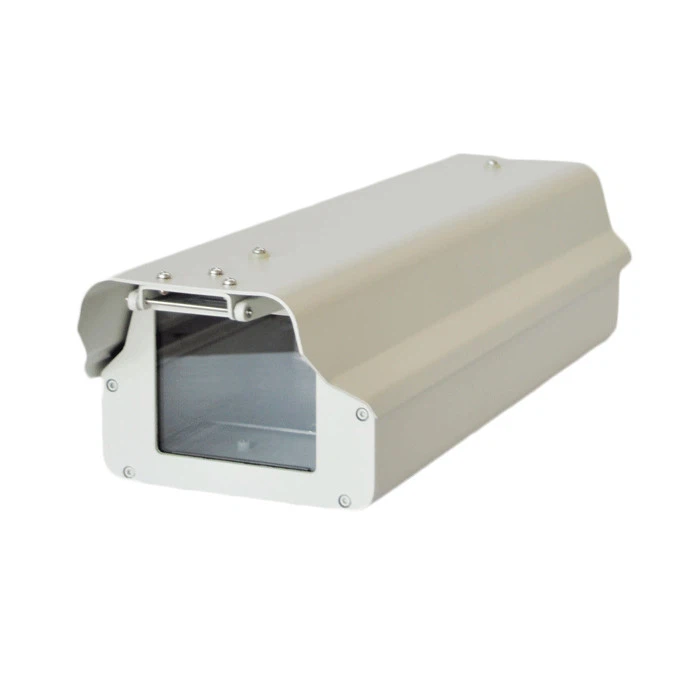
As a leading supplier of IP66 camera housings, we offer a wide range of colors and finishes to choose from, ensuring that you can find the perfect housing for your application. Whether you need a high-visibility housing for a security installation or a discreet housing for a privacy-sensitive area, we have the expertise and products to meet your requirements.
If you have any questions or need further assistance in selecting the right color for your IP66 camera housing, please feel free to contact us. Our team of experts is dedicated to providing you with the best possible solutions and support. We look forward to working with you and helping you to achieve your surveillance goals.
References
- Link to the official website of the International Electrotechnical Commission (IEC) for IP ratings
- [Journal article on the impact of color on the performance of outdoor electronic equipment] (Author, Title, Journal, Year of Publication)


