

Event photography is a dynamic and rewarding field that requires the right equipment to capture every precious moment. One crucial piece of gear that often goes overlooked is the camera housing. A suitable camera housing not only protects your camera from various environmental factors but also enhances its functionality during events. As a camera housing supplier, I understand the importance of making the right choice. In this blog, I'll guide you through the key considerations when selecting a camera housing for event photography.
1. Event Environment Analysis
The first step in choosing a camera housing is to analyze the environment where the event will take place. Different events occur in diverse settings, each with its own set of challenges.
-
Indoor Events: For indoor events such as weddings, corporate meetings, or gallery openings, the main concerns are typically dust and accidental bumps. A lightweight and compact camera housing can be a great choice. It won't add too much bulk to your camera, allowing for easy maneuverability. Look for a housing that has good shock - absorption properties to protect your camera from minor impacts. Our Customized Dome Camera Housing is an excellent option for indoor events. It provides a clear view of the subject while protecting the camera from dust and light knocks.
-
Outdoor Events: Outdoor events expose your camera to a wider range of elements. If it's a sunny day, UV protection becomes important to prevent damage to the camera's sensors. Rain, wind, and dirt are also common challenges. A waterproof and dust - proof camera housing is essential. Our Outdoor Waterproof Small Size Camera Housing for PTZ Camera is designed to withstand harsh outdoor conditions. It is small in size, which is great for quick movement during the event, and it offers reliable protection against water and dust.
-
Specialty Events: Some events, like underwater shows or concerts in humid environments, require specialized camera housings. For underwater events, a fully waterproof housing with high - pressure resistance is needed. In humid environments, a housing with good ventilation to prevent condensation is crucial. Our Waterproof Medium Size Digital Camera Housing with Light for Security Cameras can be adapted for such specialty events. It has a built - in light, which can be useful in low - light underwater or humid conditions, and its waterproof design ensures the camera's safety.
2. Compatibility with Your Camera
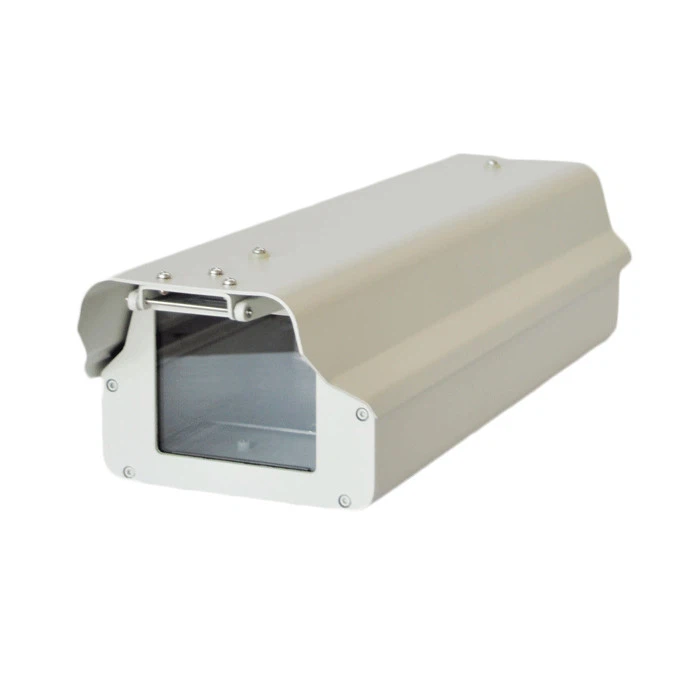
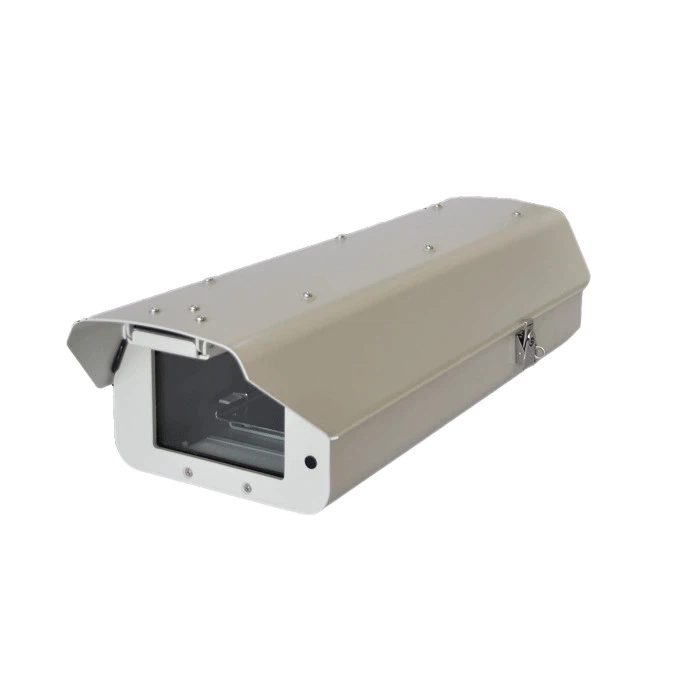
Not all camera housings are created equal, and they are not compatible with every camera model. Before making a purchase, you need to ensure that the housing you choose is specifically designed for your camera.
-
Physical Dimensions: Measure your camera's length, width, and height accurately. The housing should fit your camera snugly without any extra space that could cause the camera to move around during use. Check the specifications provided by the housing manufacturer to confirm compatibility.
-
Lens Compatibility: Consider the type of lens you use. If you have a large - diameter lens or a zoom lens that extends during operation, the housing must have an appropriate opening and enough space to accommodate the lens movement. Some housings come with adjustable lens ports to ensure a proper fit for different lenses.
3. Functionality and Accessibility
A good camera housing should not only protect your camera but also allow you to access its functions easily.
-
Control Access: You need to be able to operate your camera's buttons, dials, and touchscreens through the housing. Look for a housing that has well - designed access points or flexible membranes that allow you to press the buttons without removing the camera from the housing. This is especially important during fast - paced events where you need to make quick adjustments to your settings.
-
Viewfinder and Screen Visibility: If your camera has a viewfinder or an LCD screen, the housing should not obstruct your view. Some housings are made of clear materials that provide a clear view of the screen, while others have special coatings to reduce glare and reflections.
4. Durability and Build Quality
The durability of the camera housing is directly related to how long it will last and how well it will protect your camera.
-
Material: Camera housings are made from various materials, such as plastic, metal, or a combination of both. Plastic housings are lightweight and affordable, but they may not be as durable as metal housings. Metal housings, on the other hand, offer better protection against impacts and harsh environments but are usually heavier and more expensive. Consider your budget and the level of protection you need when choosing the material.
-
Sealing: A good seal is essential, especially for waterproof and dust - proof housings. Check the quality of the seals around the edges of the housing. Look for housings with O - rings or other sealing mechanisms that prevent water and dust from entering.
5. Portability and Ease of Transport
During event photography, you may need to move around a lot, so the portability of the camera housing is an important factor.
-
Weight: A heavy housing can quickly become a burden, especially if you have to carry it around for long periods. Choose a housing that is lightweight without sacrificing durability.
-
Carrying Options: Some housings come with built - in handles or straps, which make them easier to carry. Others can be attached to a camera bag or a tripod for convenient transport.
6. Cost - Benefit Analysis
Finally, you need to consider the cost of the camera housing in relation to its features and benefits.
-
Budget: Set a budget for your camera housing purchase. There are housings available at different price points, so you can find one that fits your financial situation. However, remember that the cheapest option may not always be the best in terms of quality and performance.
-
Value for Money: Evaluate the features of the housing against its price. A more expensive housing may offer better protection, more functionality, and higher durability, which can be worth the investment in the long run.
In conclusion, choosing the right camera housing for event photography is a decision that requires careful consideration of the event environment, camera compatibility, functionality, durability, portability, and cost. As a camera housing supplier, we offer a wide range of high - quality camera housings to meet your specific needs. Whether you are shooting an indoor wedding or an outdoor sports event, we have the perfect housing for you.
If you are interested in our camera housings and would like to discuss your requirements further or start a procurement negotiation, please feel free to reach out to us. We are committed to providing you with the best products and services to ensure your event photography is a success.
References
- "Photography Equipment Handbook" - A comprehensive guide on various photography equipment, including camera housings.
- Manufacturer's specifications and user manuals of different camera housings.


