

When it comes to ensuring the optimal performance and protection of your camera, selecting the right camera housing is crucial. As a leading camera housing supplier, we understand the importance of finding a housing that fits your camera perfectly. In this blog post, we'll guide you through the process of checking if a camera housing fits your camera, covering various aspects such as physical dimensions, compatibility with camera features, and environmental considerations.
Physical Dimensions
The first step in determining if a camera housing is suitable for your camera is to consider the physical dimensions. A proper fit ensures that the camera can be securely installed within the housing without any interference or gaps.
Camera Size
Measure the length, width, and height of your camera. Pay close attention to any protrusions, such as lenses, connectors, or buttons, as these can affect the housing's compatibility. Some cameras may have unique shapes or extended parts that require a housing with specific cutouts or extra space.
Housing Interior Dimensions
Compare the interior dimensions of the camera housing with the measurements of your camera. The housing should provide enough room for the camera to fit comfortably, allowing for easy installation and access to controls. Additionally, check for any mounting points or brackets inside the housing that are compatible with your camera's mounting system.
Cutouts and Openings
Examine the housing for cutouts and openings that align with the camera's features. For example, there should be a clear opening for the lens to ensure unobstructed view. Other cutouts may be required for connectors, microphones, or ventilation. Make sure these openings match the location and size of the corresponding features on your camera.
Compatibility with Camera Features
In addition to physical dimensions, it's essential to ensure that the camera housing is compatible with your camera's features and functions.
Lens Compatibility
The housing should accommodate the camera's lens without causing any distortion or obstruction. Consider the lens type (e.g., fixed, zoom, wide-angle) and its focal length when selecting a housing. Some housings may come with adjustable lens mounts or baffles to optimize the view and reduce glare.
Camera Controls
Check if the housing allows easy access to the camera's controls, such as zoom buttons, focus adjustment, or menu navigation. Some housings may have built-in control panels or remote access options, which can enhance the usability of the camera.
Power and Connectivity
Ensure that the housing provides appropriate provisions for power supply and connectivity. This may include ports for power cables, Ethernet cables, or other communication interfaces. The housing should also protect these connections from environmental factors, such as moisture or dust.

Environmental Considerations
The environment in which the camera will be installed plays a significant role in determining the suitability of the camera housing.
Weather Resistance
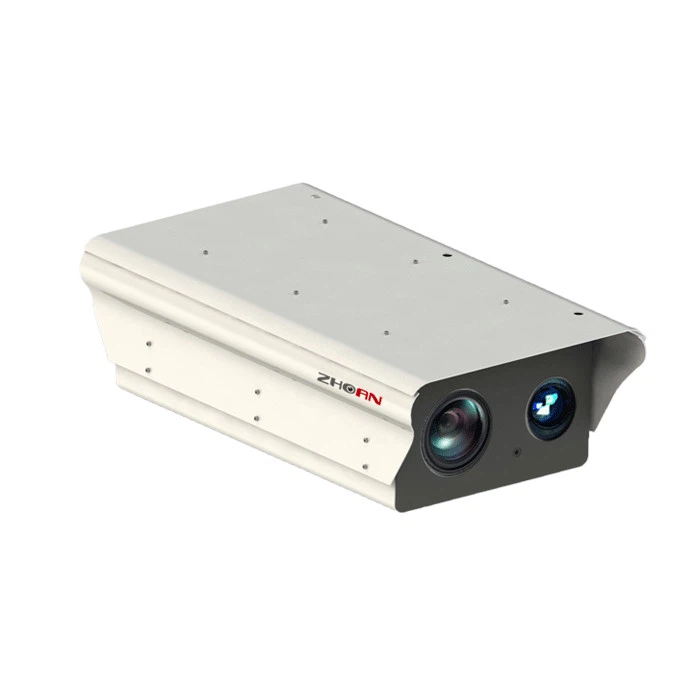
If the camera will be used outdoors, it's crucial to choose a housing that offers adequate weather resistance. Look for housings with an IP (Ingress Protection) rating, which indicates the level of protection against dust and water. For example, an IP66-rated housing is dust-tight and can withstand powerful jets of water. Our Outdoor IP66 Large Size Digital Camera Housing with Swiper for Video Surveillance Camera is designed to provide reliable protection in harsh outdoor environments.
Temperature and Humidity
Consider the temperature and humidity range of the installation location. Some cameras may require a housing with built-in heating or cooling systems to maintain optimal operating conditions. Additionally, the housing should be able to prevent condensation, which can damage the camera.
Vibration and Shock Resistance
In certain applications, such as industrial or transportation settings, the camera may be exposed to vibrations and shocks. Choose a housing that offers sufficient vibration and shock resistance to protect the camera from damage. Look for features such as rubber gaskets, shock mounts, or reinforced construction.
Testing and Verification
Once you have selected a camera housing that appears to be a good fit for your camera, it's recommended to perform a test installation before finalizing the purchase.
Test Fit
Carefully install the camera into the housing to ensure that it fits properly and all connections are secure. Check for any signs of interference or misalignment. Make sure that the camera can be easily accessed and adjusted within the housing.
Functionality Testing
Power on the camera and test its functionality. Check the image quality, zoom, focus, and other features to ensure that they are not affected by the housing. Verify that all controls are accessible and working correctly.
Environmental Testing
If possible, subject the camera and housing to the expected environmental conditions. This may include exposing them to different temperatures, humidity levels, or weather conditions. Monitor the camera's performance and check for any signs of damage or malfunction.
Conclusion
Selecting the right camera housing is essential for ensuring the optimal performance and protection of your camera. By considering the physical dimensions, compatibility with camera features, and environmental considerations, you can choose a housing that fits your camera perfectly. At our company, we offer a wide range of camera housings, including the 7 Inch Dome Security Camera Housing and Waterproof Double Cabin Camera Housing with Optional Glass and Sunshield for Security Camera System, to meet the diverse needs of our customers.
If you have any questions or need assistance in selecting the right camera housing for your camera, please don't hesitate to contact us. Our team of experts is ready to help you make the best choice for your specific requirements. We look forward to the opportunity to work with you and provide you with high-quality camera housing solutions.
References
- Camera Housing Selection Guide, Industry Standard Publications
- Best Practices for Camera Installation and Protection, Professional Surveillance Magazine


