Maintaining PTZ (Pan-Tilt-Zoom) cameras is crucial for ensuring their optimal performance and longevity. As a PTZ camera supplier, I understand the importance of regular maintenance to keep these sophisticated devices in top - notch condition. In this blog, I'll discuss how often a PTZ camera should be maintained and the key factors influencing the maintenance schedule.
Factors Affecting Maintenance Frequency
1. Operating Environment
The environment in which a PTZ camera operates plays a significant role in determining the maintenance frequency. Cameras installed in harsh outdoor settings, such as industrial areas, construction sites, or near the ocean, are exposed to more dust, dirt, moisture, and corrosive substances. For example, in a construction site, the camera can quickly accumulate dust and debris from the ongoing building activities. In such cases, more frequent maintenance is required. I recommend a monthly visual inspection and cleaning of the camera housing and lens.
On the other hand, cameras used in indoor, controlled environments like offices or data centers are less prone to environmental damage. A quarterly inspection and cleaning should be sufficient for these indoor - installed cameras.
2. Usage Intensity
The amount of use a PTZ camera gets also impacts its maintenance needs. Cameras that are in continuous operation, constantly panning, tilting, and zooming, experience more wear and tear on their mechanical components. For instance, a PTZ camera used for 24/7 surveillance of a busy intersection will require more attention than one used occasionally for monitoring a small, quiet storage room.
High - usage cameras should have a maintenance check every two months, including a thorough inspection of the motor, gears, and other moving parts. Low - usage cameras can be maintained on a semi - annual basis.

3. Camera Model and Quality
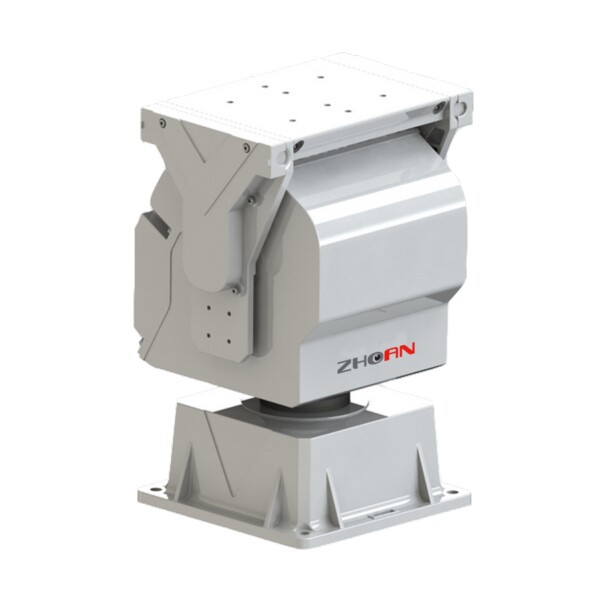
Different PTZ camera models have varying levels of durability and reliability. Higher - quality cameras often come with better - built components and more advanced self - diagnostic features. For example, our [ZA - PT540 Medium Duty Motorized Pan Tilt Positioner](/pan - tilt - head/za - pt540 - medium - duty - motorized - pan - tilt.html) is designed with high - quality motors and precision gears, which generally require less frequent maintenance compared to lower - end models.
However, even high - quality cameras need regular checks. As a general rule, mid - to high - end cameras should be maintained at least every three months, while lower - quality models may need monthly maintenance to prevent premature failures.
Recommended Maintenance Schedule
1. Daily Checks
- Visual Inspection: A quick visual check of the camera's field of view can be done daily. Look for any obvious signs of damage, such as a cracked lens or a misaligned pan - tilt mechanism.
- Functionality Test: Operate the camera's pan, tilt, and zoom functions briefly to ensure they are working smoothly. If any abnormal noises or jerky movements are detected, it could indicate a problem that needs further investigation.
2. Weekly Checks
- Cleaning: For cameras in dirty environments, a weekly cleaning of the lens can help maintain clear image quality. Use a soft, lint - free cloth and a mild cleaning solution recommended by the camera manufacturer.
- Power and Connectivity: Check the power supply and all cable connections to ensure they are secure. Loose connections can cause intermittent operation or complete camera failure.
3. Monthly Checks
- Firmware Update: Check if there are any available firmware updates for the camera. Firmware updates can improve the camera's performance, add new features, and fix security vulnerabilities.
- Mechanical Inspection: Inspect the pan - tilt mechanism for any signs of wear, such as loose screws or excessive play in the gears. Lubricate the moving parts if necessary, following the manufacturer's guidelines.
4. Quarterly Checks
- Comprehensive Testing: Conduct a more in - depth test of all camera functions, including the pan, tilt, zoom, focus, and image quality. Use test patterns and calibration tools to ensure accurate operation.
- Environmental Assessment: Evaluate the camera's operating environment. Check for any changes, such as increased dust levels or temperature fluctuations, that could affect the camera's performance.
5. Annual Checks
- Component Replacement: Depending on the camera's usage and age, some components may need to be replaced annually. This could include the motor brushes, cables, or other wear - prone parts.
- Professional Calibration: Have the camera professionally calibrated to ensure optimal image quality and accurate pan - tilt - zoom movements.
Our Product - Specific Maintenance Considerations
We offer a range of PTZ cameras, each with its own unique features and maintenance requirements.
The [Outdoor Heavy Duty Intelligent Variable Speed Pan Tilt](/pan - tilt - head/outdoor - heavy - duty - intelligent - variable - speed.html) is designed for tough outdoor applications. Due to its exposure to the elements, it is recommended to have a more frequent maintenance schedule. Monthly visual inspections and cleaning, along with quarterly mechanical and electrical checks, are essential to keep this camera in peak condition.
The [Medium Duty Payload 15kg High Speed Pan Tilt Unit with OEM Service for Outdoor Surveillance Camera](/pan - tilt - head/medium - duty - payload - 15kg - high - speed - pan - tilt.html) is a high - performance device. Its high - speed operation and relatively heavy payload mean that the mechanical components are under more stress. A bi - monthly inspection of the motor and gears, along with regular firmware updates, will help ensure its long - term reliability.
Conclusion
In conclusion, the frequency of PTZ camera maintenance depends on several factors, including the operating environment, usage intensity, and camera model. By following a regular maintenance schedule, you can extend the lifespan of your PTZ cameras, improve their performance, and reduce the risk of costly breakdowns.
If you're in the market for PTZ cameras or need more information on camera maintenance, we're here to help. Our team of experts can provide you with detailed advice on the best maintenance practices for your specific needs. Contact us to start a procurement discussion and find the perfect PTZ camera solution for your surveillance requirements.
References
- Camera Manufacturer's Manuals
- Industry Standards for Surveillance Camera Maintenance
- Technical Reports on PTZ Camera Durability and Performance