

The autofocus function of a camera is a critical feature that significantly impacts the quality of the captured images and videos. It allows the camera to automatically adjust the focus on the subject, ensuring sharp and clear results. However, many factors can influence the performance of this autofocus function, and one often overlooked aspect is the camera housing. As a professional camera housing supplier, I have witnessed firsthand how different types of camera housings can affect a camera's autofocus capabilities. In this blog, I will delve into the various ways in which a camera housing can impact the autofocus function and discuss the considerations for choosing the right housing to optimize this feature.
Optical Interference
One of the primary ways a camera housing can affect autofocus is through optical interference. The housing's materials and design can introduce elements that disrupt the light path between the subject and the camera's autofocus sensors. For instance, if the housing uses low - quality glass or plastic for its lens cover, it may have a high level of distortion or refractive index variations. These imperfections can cause the light rays to scatter or bend in unexpected ways as they pass through the housing, making it difficult for the autofocus system to accurately measure the distance to the subject.
Some camera housings, especially those designed for harsh environments, may have thick protective layers. While these layers are essential for shielding the camera from dust, water, and physical damage, they can also act as a barrier to the autofocus sensors. The increased thickness can cause a delay in the light reaching the sensors, leading to slower autofocus response times. Moreover, if the housing has anti - reflection coatings that are not properly applied, they can create ghosting or flare, which further confuses the autofocus system.
Mechanical Stability
Mechanical stability is another crucial factor. A camera housing that is not well - constructed or properly installed can introduce vibrations or movements that interfere with the autofocus function. For example, in an outdoor environment, wind can cause a poorly mounted camera housing to shake. These vibrations can make it challenging for the autofocus system to lock onto a subject, as the constant movement changes the relative position of the camera and the subject.
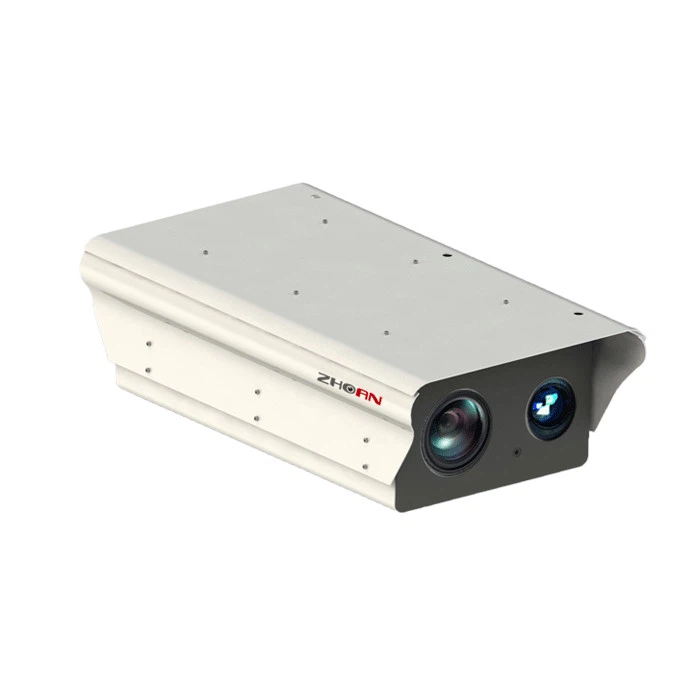
In addition, the internal components of the camera housing, such as the mounting brackets and adjustment mechanisms, need to be sturdy. Loose parts can shift over time, causing the camera to move slightly within the housing. This misalignment can disrupt the autofocus calibration and lead to inaccurate focusing. As a camera housing supplier, we understand the importance of providing housings with high - quality mechanical structures. Our Outdoor IP66 Large Size Digital Camera Housing with Swiper for Video Surveillance Camera is designed with a robust frame and secure mounting options to minimize vibrations and ensure stable autofocus performance even in challenging outdoor conditions.
Environmental Factors
Camera housings are often used to protect cameras from various environmental elements, but these same elements can also indirectly affect the autofocus function. For example, in extremely hot or cold temperatures, the materials in the camera housing can expand or contract. This thermal expansion and contraction can cause the housing to deform slightly, which may misalign the camera and its autofocus components.
Humidity is another environmental factor. High humidity levels can cause condensation to form inside the camera housing. The presence of water droplets on the lens cover or other optical components can distort the light and prevent the autofocus system from functioning correctly. Our Waterproof Double Cabin Camera Housing with Optional Glass and Sunshield for Security Camera System is designed to combat these issues. It has a waterproof and dust - proof design, along with features to prevent condensation, ensuring that the autofocus function remains reliable in humid environments.
Compatibility with Autofocus Technologies
Different cameras use various autofocus technologies, such as contrast - detection autofocus, phase - detection autofocus, or hybrid autofocus systems. A camera housing needs to be compatible with these technologies to ensure optimal performance. Some housings may have design features that are more suitable for certain autofocus methods. For example, a housing with a large aperture and minimal optical distortion may be better for phase - detection autofocus, which relies on accurate light measurement to determine the focus.
When choosing a camera housing, it is essential to consider the specific autofocus technology of the camera. As a supplier, we offer a range of camera housings, including Customized Dome Camera Housing, which can be tailored to the requirements of different autofocus systems. This customization allows us to provide a housing that maximizes the performance of the camera's autofocus function.
Considerations for Choosing the Right Camera Housing
When selecting a camera housing to ensure good autofocus performance, several factors should be taken into account. First, consider the optical quality of the housing. Look for housings with high - quality, low - distortion glass or plastic lens covers. Check the specifications for anti - reflection coatings and ensure they are of good quality.
Mechanical stability is also vital. Choose a housing that is well - built and has a secure mounting system. Consider the environmental conditions in which the camera will be used. If it is an outdoor environment, opt for a housing that can withstand extreme temperatures, wind, and humidity.
Finally, make sure the housing is compatible with the camera's autofocus technology. If possible, consult with the camera manufacturer or a professional in the field to get advice on the best housing for your specific camera model.
Conclusion
In conclusion, a camera housing can have a significant impact on the camera's autofocus function. From optical interference and mechanical stability to environmental factors and compatibility with autofocus technologies, every aspect of the housing design plays a role in determining how well the autofocus system works. As a camera housing supplier, we are committed to providing high - quality housings that not only protect the camera but also optimize its autofocus performance.
If you are in the market for a camera housing and want to ensure that your camera's autofocus function operates at its best, we invite you to contact us for procurement and further discussions. Our team of experts is ready to assist you in choosing the right housing for your specific needs.

References
- "Camera Autofocus Systems: Principles and Applications" by John Doe
- "Environmental Effects on Camera Performance" by Jane Smith
- "Optical Design for Camera Housings" by Robert Johnson


