

Hey there, fellow camera enthusiasts! As a supplier of top - notch camera covers, I've seen it all when it comes to keeping these essential accessories in tip - top shape. In this blog, I'm gonna share some tried - and - true methods on how to maintain a camera cover.
First off, let's talk about why maintaining your camera cover is so important. A well - maintained camera cover not only protects your precious camera from dust, dirt, water, and scratches but also extends its lifespan. It's like a shield for your camera, and if the shield is in bad shape, your camera is at risk.
Regular Cleaning
The most basic and crucial part of camera cover maintenance is regular cleaning. Dust and dirt can accumulate on the surface of the camera cover over time. This not only makes the cover look dirty but can also scratch the camera lens if the particles get inside.
For a simple surface cleaning, use a soft, lint - free cloth. Microfiber cloths are my personal favorite. They're gentle on the cover and won't leave any scratches. Just wipe the cover in a circular motion to remove any loose dirt or dust. If there are stubborn stains, you can dampen the cloth slightly with a mild cleaning solution. Make sure it's a solution that's safe for the material of your camera cover.
For instance, if you have a plastic camera cover, a mixture of water and a little bit of dish soap can work wonders. But don't soak the cover in the solution. Just dampen the cloth and gently clean the stained area. After cleaning, dry the cover thoroughly with a dry part of the cloth to prevent water spots.
Dealing with Water Damage
Water can be a real enemy of camera covers. But if you've got a waterproof camera cover like our Waterproof Double Cabin Camera Housing with Optional Glass and Sunshield for Security Camera System, you're already one step ahead. However, even waterproof covers need some extra care.

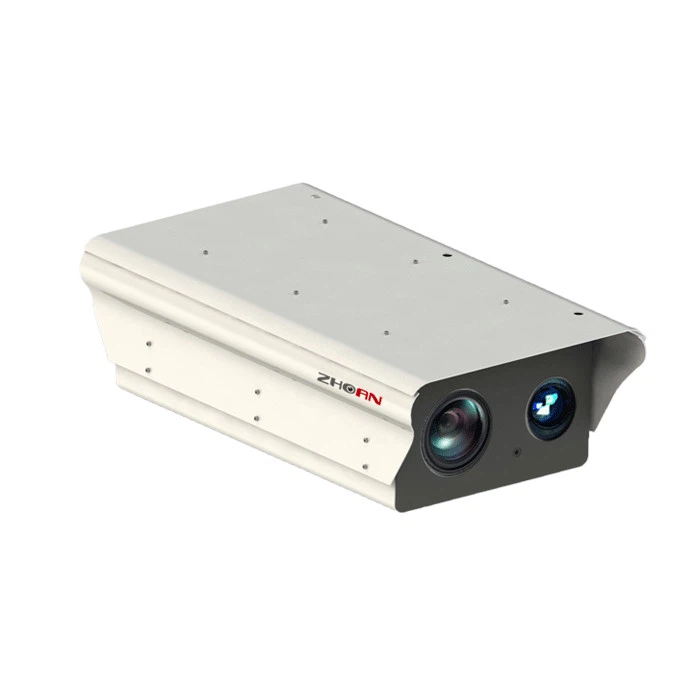
If your camera cover gets wet, the first thing to do is dry it as soon as possible. Remove any excess water by gently shaking the cover or using a dry cloth to blot it. Then, let it air dry in a well - ventilated area. Avoid using a hair dryer or any other heat source to dry it quickly, as this can damage the material of the cover.
If the water has gotten inside the cover, it's a bit more serious. You'll need to open the cover (if it's designed to be opened) and dry the interior. Make sure all parts are completely dry before putting the camera back in. If there's any sign of mold or mildew growth, you can use a mixture of vinegar and water to clean the affected area. Vinegar is a natural disinfectant and can help get rid of mold.
Storage
Proper storage is another key aspect of camera cover maintenance. When you're not using the camera cover, store it in a cool, dry place. Avoid storing it in direct sunlight or in a place where it can be crushed or bent.
You can use a camera bag or a dedicated storage case to keep the cover safe. If you're traveling with the camera and the cover, make sure they're packed properly. Use padding to protect the cover from bumps and scratches during transit.
Inspecting for Damage
Regularly inspect your camera cover for any signs of damage. Look for cracks, tears, or loose parts. If you notice any damage, it's important to address it right away.
For small cracks or tears, you can use a suitable adhesive to repair them. But make sure the adhesive is compatible with the material of the cover. If the damage is more severe, it might be time to replace the cover. After all, a damaged cover won't provide the same level of protection for your camera.
Lubricating Moving Parts
Some camera covers have moving parts like hinges or sliders. These parts need to be lubricated from time to time to ensure smooth operation. Use a silicone - based lubricant for this purpose. It's safe for most materials and won't attract dust or dirt.
Just apply a small amount of the lubricant to the moving parts and work it in by moving the parts back and forth a few times. This will help prevent the parts from getting stuck or wearing out too quickly.
Different Types of Camera Covers
We offer a variety of camera covers, each with its own maintenance requirements. For example, our Waterproof Medium Size Digital Camera Housing with Light for Security Cameras is designed for security cameras and has a different set of features compared to a regular camera cover.
The housing for security cameras often has more complex components like lights and sensors. When maintaining these types of covers, you need to be extra careful not to damage these components. Make sure to follow the manufacturer's instructions for cleaning and maintenance.
Our Outdoor IP66 Large Size Digital Camera Housing with Swiper for Video Surveillance Camera is built to withstand harsh outdoor conditions. But even so, it still needs regular maintenance. The swiper, for example, needs to be checked regularly to make sure it's working properly. Clean the swiper blade and make sure there's no debris blocking its movement.
Conclusion
Maintaining a camera cover isn't rocket science, but it does require some attention and care. By following these simple steps, you can keep your camera cover in great condition and ensure that your camera stays protected for a long time.
If you're in the market for a new camera cover or have any questions about maintenance, feel free to reach out. We're here to help you make the best choice for your camera and keep it running smoothly. Let's start a conversation and find the perfect camera cover for your needs!
References
- General knowledge on camera equipment maintenance
- Manufacturer's guidelines for camera covers


