

Installing a security camera cover on a camera with a complex shape can be a challenging yet rewarding task. As a supplier of security camera covers, I've encountered various camera shapes and sizes in the market. In this blog, I'll share some practical steps and tips on how to install a security camera cover on a camera with a complex shape.
Understanding the Camera's Shape
Before you start the installation process, it's crucial to have a clear understanding of the camera's shape. Complex shapes can include irregular curves, multiple angles, or unique protrusions. Take the time to examine the camera from all angles and note any specific features that might affect the installation. This will help you choose the right type of security camera cover and ensure a proper fit.
For cameras with complex shapes, you might need a customized camera cover. Our Customized Dome Camera Housing is an excellent option as it can be tailored to fit the exact dimensions and shape of your camera. This ensures maximum protection and a seamless appearance.
Selecting the Right Security Camera Cover
Once you've analyzed the camera's shape, it's time to select the appropriate security camera cover. There are several factors to consider when making your choice:
- Material: The material of the camera cover should be durable and able to withstand various environmental conditions. Common materials include plastic, metal, and polycarbonate. Plastic covers are lightweight and affordable, while metal covers offer greater strength and protection. Polycarbonate covers are known for their high impact resistance and clarity.
- Size: The cover should be the right size to fit the camera snugly. A cover that is too large may not provide adequate protection, while a cover that is too small may not fit at all. Measure the camera carefully and compare the dimensions with the specifications of the cover.
- Design: The design of the cover should complement the camera's shape and style. Some covers are designed to be discreet, while others are more decorative. Consider the overall aesthetic of the installation area and choose a cover that fits in with the surroundings.
If you're looking for a camera cover for outdoor use, our Outdoor Waterproof Small Size Camera Housing for PTZ Camera and Outdoor IP66 Large Size Digital Camera Housing with Swiper for Video Surveillance Camera are great options. They are designed to protect the camera from water, dust, and other environmental elements.
Preparing for Installation
Before you start installing the security camera cover, gather all the necessary tools and materials. You'll typically need a screwdriver, drill, screws, and any other hardware that comes with the cover. Make sure you have a clean and stable work surface to work on.
Next, clean the camera thoroughly to remove any dirt, dust, or debris. This will ensure a good adhesion between the camera and the cover. Use a mild detergent and a soft cloth to clean the camera, and dry it completely before proceeding.
Installing the Security Camera Cover
Now that you've prepared the camera and gathered the necessary tools, it's time to install the security camera cover. Follow these steps:
- Position the Cover: Carefully position the cover over the camera, aligning it with the camera's shape and any mounting holes. Make sure the cover fits snugly and there are no gaps or misalignments.
- Mark the Mounting Holes: If the cover has mounting holes, use a pencil or marker to mark the corresponding holes on the camera. This will help you drill the holes in the right place.
- Drill the Holes: Use a drill to make holes in the camera at the marked locations. Make sure the holes are the right size for the screws that come with the cover.
- Attach the Cover: Insert the screws through the holes in the cover and into the holes in the camera. Tighten the screws securely, but be careful not to overtighten them as this could damage the camera or the cover.
- Check the Installation: Once the cover is attached, check to make sure it is installed correctly. Make sure the cover is secure and there are no loose parts or gaps. Test the camera to make sure it is still functioning properly.
Troubleshooting Tips
If you encounter any problems during the installation process, here are some troubleshooting tips:
- Cover Doesn't Fit: If the cover doesn't fit properly, double-check the dimensions of the camera and the cover. Make sure you've selected the right size and shape. If necessary, contact the manufacturer for assistance or consider a customized cover.
- Screws Won't Tighten: If the screws won't tighten, check to make sure the holes are the right size. You may need to drill the holes slightly larger or use a different size of screw.
- Camera Malfunctions: If the camera malfunctions after the cover is installed, check to make sure the cover hasn't blocked any of the camera's sensors or ports. Remove the cover and test the camera again to see if the problem persists.
Conclusion
Installing a security camera cover on a camera with a complex shape requires careful planning and attention to detail. By understanding the camera's shape, selecting the right cover, and following the proper installation steps, you can ensure a successful installation.
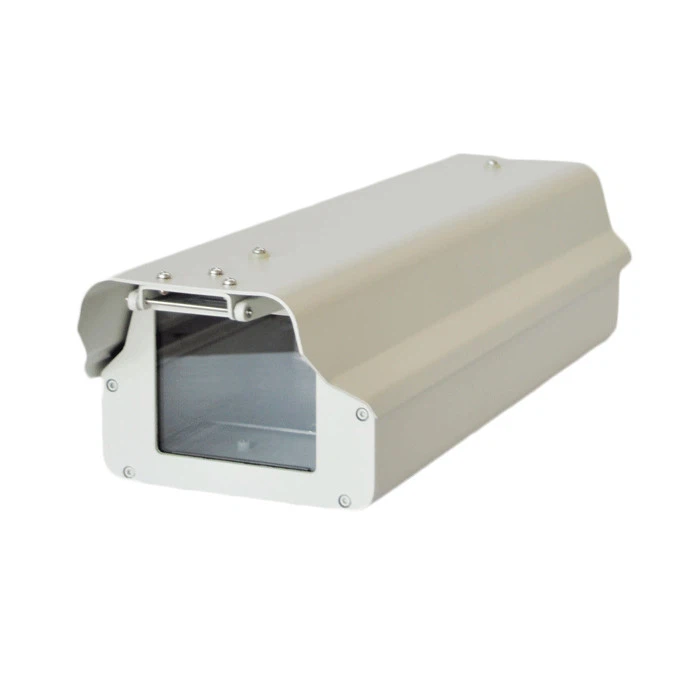

If you're in the market for a security camera cover, we offer a wide range of high-quality products to meet your needs. Whether you need a customized cover for a complex-shaped camera or a standard cover for a more common camera, we have you covered.
If you have any questions or would like to discuss your specific requirements, please feel free to contact us. We're here to help you find the perfect security camera cover for your needs.
References
- "Security Camera Installation Guide" - General knowledge on security camera installation techniques.
- "Camera Housing Materials and Their Properties" - Information on different materials used in camera housings.


