

Dome camera housings are essential accessories for surveillance cameras, offering protection and aesthetic appeal. As a dedicated dome camera housing supplier, I've encountered numerous inquiries regarding their impact on camera image quality. In this blog, I'll delve into the factors that determine whether dome camera housings affect image quality and provide insights based on scientific knowledge and practical experience.

Optical Properties of Dome Camera Housings
The optical properties of dome camera housings play a crucial role in determining their impact on image quality. The dome itself is typically made of materials such as polycarbonate or acrylic, which have different refractive indices and light transmission characteristics.
- Refractive Index: The refractive index of a material determines how light bends as it passes through the dome. A higher refractive index can cause more significant bending of light, potentially leading to distortion in the captured image. However, modern dome camera housings are designed with precision to minimize refractive index variations and ensure consistent light transmission.
- Light Transmission: The ability of the dome to transmit light is another critical factor. High-quality dome camera housings are engineered to have excellent light transmission properties, allowing a maximum amount of light to reach the camera sensor. This is particularly important in low-light conditions, where any reduction in light transmission can result in darker and less detailed images.
Distortion and Aberrations
One of the primary concerns regarding dome camera housings is the potential for distortion and aberrations in the captured images. Distortion can occur when the dome's curvature causes light rays to bend unevenly, resulting in a warped or stretched appearance of the scene. Aberrations, on the other hand, refer to various types of image defects, such as chromatic aberration (color fringing) and spherical aberration (blurring at the edges of the image).
- Design and Manufacturing Quality: The design and manufacturing quality of the dome camera housing play a significant role in minimizing distortion and aberrations. Precise molding and polishing techniques are used to ensure a smooth and uniform curvature of the dome, reducing the likelihood of light bending irregularities. Additionally, advanced optical coatings can be applied to the dome surface to correct for chromatic aberration and improve overall image clarity.
- Camera Compatibility: It's essential to ensure that the dome camera housing is compatible with the specific camera model being used. Different cameras have different lens characteristics and field of view requirements, and using an incompatible housing can exacerbate distortion and aberrations. When selecting a dome camera housing, it's recommended to consult the manufacturer's specifications and guidelines to ensure optimal compatibility.
Environmental Factors
Dome camera housings are often installed in outdoor or harsh environments, where they are exposed to various environmental factors that can potentially affect image quality.
- Weather Conditions: Extreme weather conditions, such as rain, snow, and high humidity, can cause water droplets to accumulate on the surface of the dome, obstructing the camera's view and reducing image clarity. To mitigate this issue, many dome camera housings are equipped with features such as wiper blades or hydrophobic coatings to keep the dome surface clean and clear.
- Temperature and Humidity: Fluctuations in temperature and humidity can also have an impact on the performance of the dome camera housing. High temperatures can cause the dome material to expand, potentially leading to misalignment or distortion, while low temperatures can make the material brittle and more prone to cracking. Additionally, high humidity levels can cause condensation to form inside the housing, which can damage the camera components and affect image quality. To address these issues, dome camera housings are often designed with temperature and humidity control features, such as ventilation systems and moisture-resistant seals.
Our Product Offerings
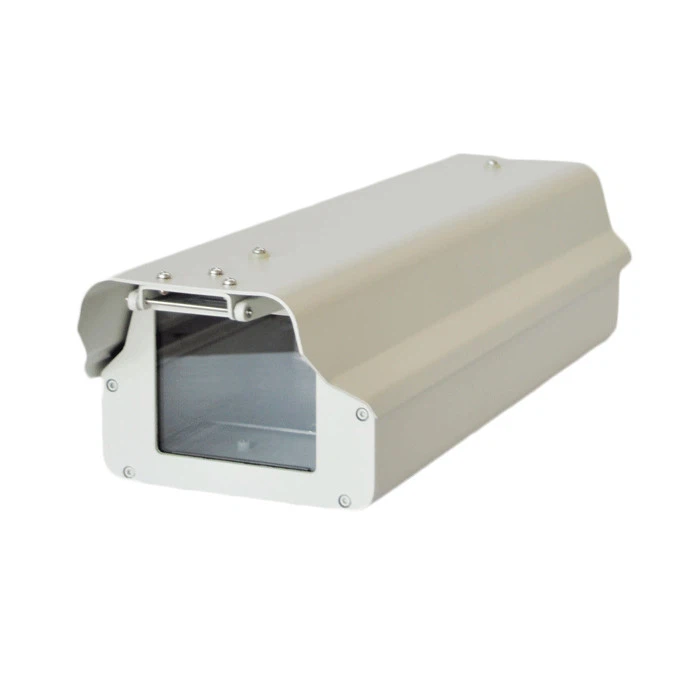
As a leading dome camera housing supplier, we offer a wide range of high-quality products designed to meet the diverse needs of our customers. Our product portfolio includes Customized Dome Camera Housing, which can be tailored to specific requirements, ensuring optimal compatibility and performance. We also offer Outdoor IP66 Large Size Digital Camera Housing with Swiper for Video Surveillance Camera, which is designed to withstand harsh outdoor environments and provide reliable protection for the camera. Additionally, our Outdoor Waterproof Small Size Camera Housing for PTZ Camera is ideal for applications where space is limited and a compact housing solution is required.
Conclusion
In conclusion, while dome camera housings can potentially affect the camera's image quality, modern designs and manufacturing techniques have significantly minimized these issues. By selecting a high-quality dome camera housing that is compatible with the specific camera model and designed to withstand the environmental conditions of the installation site, you can ensure optimal image quality and reliable performance.
If you're in the market for dome camera housings or have any questions regarding their impact on image quality, please don't hesitate to [contact us](insert contact information). Our team of experts is available to provide you with personalized advice and guidance to help you make the right choice for your surveillance needs.
References
- "Optics for Engineers" by Joseph M. Geary
- "Surveillance Camera Systems Handbook" by Larry A. Jones
- Manufacturer's specifications and guidelines for dome camera housings


