

Do dome camera covers affect the camera's view?
In the realm of security and surveillance, dome cameras have become a ubiquitous sight. These spherical-shaped cameras are known for their discreet appearance and wide - angle coverage, making them a popular choice for monitoring various environments, from retail stores to corporate offices and public spaces. As a dedicated supplier of dome camera covers, I often encounter a common question from clients: Do dome camera covers affect the camera's view? In this blog, I will delve into this topic, exploring the potential impacts of dome camera covers on a camera's field of vision and image quality.
Understanding Dome Camera Covers
Dome camera covers serve multiple purposes. Firstly, they provide physical protection to the camera inside. They shield the delicate camera components from dust, dirt, moisture, and physical damage, ensuring the longevity of the camera. Secondly, they can enhance the aesthetic appeal of the camera installation, making it blend more seamlessly into the surrounding environment.
There are different types of dome camera covers available in the market. Some are made of clear plastic, which is the most common choice as it allows for maximum light transmission. Others may have tinted or frosted finishes for privacy or aesthetic reasons. The thickness and quality of the material used in the cover can also vary significantly.
Factors Affecting the Camera's View
Material Quality
The material of the dome camera cover is a crucial factor. High - quality, optically clear materials are designed to minimize distortion and light refraction. When light passes through a low - quality material, it can scatter, causing blurry or hazy images. For example, a cover made from cheap plastic may have internal impurities or uneven surfaces that can disrupt the light path and degrade the image quality.
On the other hand, premium materials, such as polycarbonate or acrylic, are engineered to have excellent optical properties. They are clear, durable, and resistant to scratches, ensuring that the camera can capture sharp and clear images without significant interference. As a supplier, I always emphasize the importance of using high - quality materials in our Outdoor Waterproof Small Size Camera Housing for PTZ Camera to guarantee optimal camera performance.
Thickness
The thickness of the dome camera cover also plays a role. A thicker cover can potentially cause more light absorption and refraction. When light passes through a thick layer of material, some of it is absorbed, reducing the amount of light that reaches the camera sensor. This can result in darker images, especially in low - light conditions.
Moreover, a thick cover may increase the risk of optical distortion. As light bends when entering and exiting the cover, a thicker layer can amplify these bending effects, leading to a warped or distorted view. However, if the cover is too thin, it may not provide adequate protection to the camera. Therefore, finding the right balance in thickness is essential. Our Waterproof Double Cabin Camera Housing with Optional Glass and Sunshield for Security Camera System is designed with an optimal thickness to ensure both protection and minimal impact on the camera's view.
Tint and Frosting
Tinted or frosted dome camera covers are often used for privacy reasons or to reduce glare. While they can serve these purposes effectively, they also have an impact on the camera's view. Tinted covers absorb a portion of the light, which can make the images darker. The degree of tinting determines the extent of light reduction. A heavily tinted cover may make it difficult for the camera to capture clear images, especially in low - light environments.
Frosted covers, which have a textured surface, scatter light in different directions. This can make the images appear softer and less detailed. However, in some cases, such as when the camera is installed in an area where privacy is a concern, the trade - off in image quality may be acceptable. Our Waterproof Medium Size Digital Camera Housing with Light for Security Cameras offers options for different tints and finishes to meet the diverse needs of our customers.
Installation
Proper installation of the dome camera cover is also vital. If the cover is not installed correctly, it can cause misalignment or gaps, which can lead to light leakage and image artifacts. For example, if there is a gap between the cover and the camera housing, external light can enter at an angle, creating glare or reflections on the camera lens.
Additionally, an incorrectly installed cover may not be centered properly, causing uneven light distribution across the camera sensor. This can result in areas of the image being over - exposed or under - exposed. As a supplier, we provide detailed installation guides to ensure that our customers can install the covers correctly and minimize any potential negative impacts on the camera's view.
Mitigating the Impact
While dome camera covers can potentially affect the camera's view, there are several ways to mitigate these impacts.
Choose the Right Cover
Selecting the appropriate cover for your camera is crucial. Consider the environment in which the camera will be installed. If it is an outdoor location, choose a cover that is waterproof, UV - resistant, and made from a durable material. For indoor applications, you may have more flexibility in terms of material and finish.

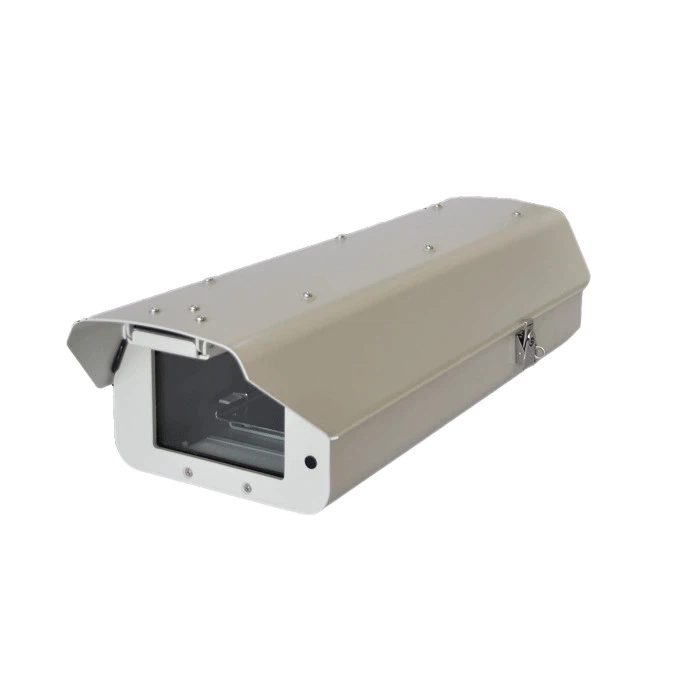
Opt for covers with high - quality optical materials and a suitable thickness. If privacy is a concern, choose a moderately tinted or frosted cover that still allows for sufficient light transmission. Our product range offers a variety of options to meet different requirements, ensuring that you can find the perfect cover for your camera.
Camera Calibration
After installing the dome camera cover, it is important to calibrate the camera. This involves adjusting the camera settings, such as focus, exposure, and white balance, to compensate for any changes in the light conditions caused by the cover. Most modern cameras have built - in calibration features that can make this process relatively straightforward.
Calibration can help to optimize the image quality and ensure that the camera captures clear and accurate images. Regular calibration may also be necessary over time, especially if the cover becomes dirty or damaged.
Maintenance
Regular maintenance of the dome camera cover is essential to keep the camera's view unobstructed. Clean the cover periodically to remove dust, dirt, and fingerprints. Use a soft, lint - free cloth and a mild cleaning solution to avoid scratching the surface.
Inspect the cover for any signs of damage, such as cracks or scratches. If the cover is damaged, replace it immediately to prevent further degradation of the image quality.
Conclusion
In conclusion, dome camera covers can have an impact on the camera's view, but with careful consideration and proper management, these impacts can be minimized. The material quality, thickness, tinting, and installation of the cover all play important roles in determining the extent of the effect on the camera's field of vision and image quality.
As a trusted supplier of dome camera covers, we are committed to providing high - quality products that offer both protection and minimal interference with the camera's view. Our Outdoor Waterproof Small Size Camera Housing for PTZ Camera, Waterproof Double Cabin Camera Housing with Optional Glass and Sunshield for Security Camera System, and Waterproof Medium Size Digital Camera Housing with Light for Security Cameras are designed with the latest technology and highest standards to meet the diverse needs of our customers.
If you are in the market for dome camera covers or have any questions about how they may affect your camera's view, please feel free to contact us. We are here to assist you in making the right choice for your security and surveillance needs.
References
- "Handbook of Video Surveillance" by Andrew J. Salem
- "Security Camera Systems Design and Installation" by John R. Vacca


