

Hey there! As a supplier of CCTV camera housings, I often get asked whether these housings affect camera performance. Well, let's dig into this topic and find out.
First off, we need to understand what CCTV camera housings are for. They're not just there to make the cameras look good. Their main job is to protect the cameras from all sorts of external factors. Think about it - cameras are often placed in harsh environments, like outdoors where they're exposed to rain, snow, dust, and even extreme temperatures. That's where a good camera housing comes in handy.
Let's start with the physical protection aspect. A high - quality housing can shield the camera from physical damage. For example, if there's a strong wind blowing debris around, or if someone accidentally bumps into the camera, a sturdy housing can prevent the camera from getting scratched or broken. But here's the thing - if the housing is too heavy or poorly designed, it could actually affect the camera's stability. A wobbly housing might cause the camera to move slightly, which can lead to blurry images.
Take our Outdoor IP66 Large Size Digital Camera Housing with Swiper for Video Surveillance Camera. It's designed to be tough enough to withstand the elements. The IP66 rating means it's dust - tight and can withstand powerful jets of water. This kind of protection ensures that the camera inside can keep working properly without being affected by the outdoor conditions. However, because it's a large - size housing, we've made sure to optimize its weight and mounting system so that it doesn't cause any instability to the camera.
Now, let's talk about environmental factors. Temperature is a big one. Cameras can be sensitive to extreme heat or cold. A good housing can act as an insulator. In hot weather, it can prevent the camera from overheating. Some of our housings are equipped with ventilation systems or cooling fans. For instance, the Waterproof Double Cabin Camera Housing with Optional Glass and Sunshield for Security Camera System has a design that helps to regulate the internal temperature. The double - cabin structure provides an extra layer of insulation, and the optional sunshield can block out direct sunlight, reducing the heat absorbed by the camera.
On the other hand, in cold weather, the housing can prevent the camera from getting too cold. Cold temperatures can slow down the camera's electronics and even cause condensation inside the camera. Our housings are designed to minimize these issues. They're made of materials that can withstand low temperatures without cracking or becoming brittle.
Humidity is another environmental factor. Moisture can damage the camera's internal components. That's why many of our housings are waterproof. They're sealed to prevent water from getting inside. But even if there's a little bit of moisture that manages to get in, the housing should be able to handle it. Some of our housings have desiccant packs inside to absorb any excess moisture.
The optical properties of the housing also play a role in camera performance. The lens cover of the housing needs to be clear and free of scratches. A scratched or dirty lens cover can distort the image captured by the camera. That's why we use high - quality materials for our lens covers. They're scratch - resistant and can be easily cleaned. Our 7 Inch Dome Security Camera Housing has a clear and smooth dome - shaped lens cover that provides a wide field of view without any optical distortion.
But it's not just about the materials. The design of the housing also matters. A well - designed housing should allow for easy installation and maintenance of the camera. If it's difficult to access the camera inside the housing, it can be a hassle to make adjustments or perform repairs. Our housings are designed with user - friendly features. They have easy - to - open panels and clear access points to the camera.
Now, you might be wondering about the impact on the camera's functionality. Some cameras have features like pan, tilt, and zoom. A housing should not restrict these movements. Our housings are designed to accommodate these functions without any problems. They have enough space inside for the camera to move freely, and the mounting systems are flexible enough to allow for different camera orientations.
In addition, the housing should not interfere with the camera's communication. Many modern cameras are connected to a network for remote monitoring. The housing should not block the Wi - Fi or Ethernet signals. Our housings are made of materials that do not cause any signal interference.

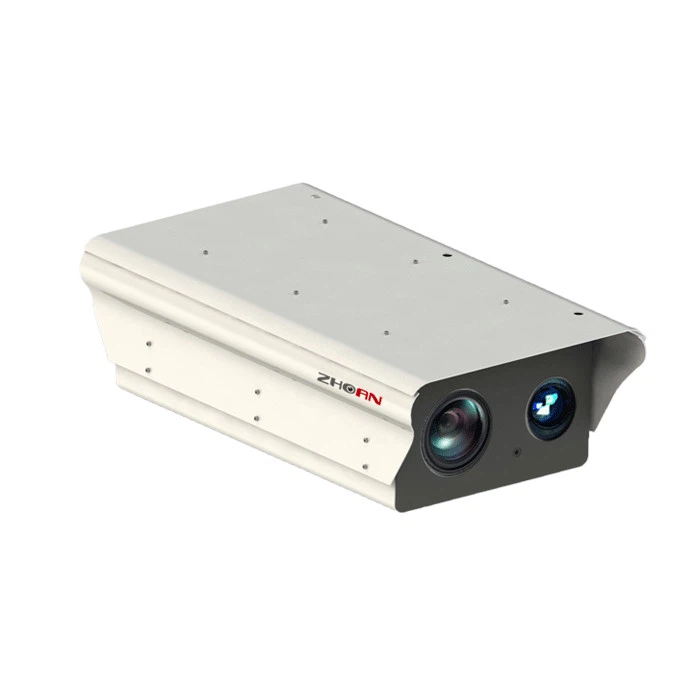
So, to answer the question - do CCTV camera housings affect camera performance? The answer is yes, but it can be a positive or negative impact depending on the quality and design of the housing. A good housing can enhance the camera's performance by protecting it from the environment, providing stability, and allowing for easy operation. On the other hand, a poor - quality housing can cause problems like blurry images, overheating, or restricted functionality.
If you're in the market for CCTV camera housings, you want to make sure you choose the right one. You need to consider factors like the environment where the camera will be placed, the camera's features, and your budget. We offer a wide range of CCTV camera housings to meet different needs. Whether you need a housing for an outdoor surveillance camera or an indoor security camera, we've got you covered.
If you're interested in our products or have any questions, feel free to reach out. We're always happy to help you find the perfect CCTV camera housing for your requirements. We can provide more detailed information about our products, and we're open to having discussions about custom - made solutions if you have specific needs. Let's work together to ensure that your camera systems perform at their best!
References:
- General knowledge in the field of CCTV camera technology and housing design.
- In - house research and development data on CCTV camera housings.


