

As a seasoned provider of camera covers, I've encountered numerous inquiries from customers about how camera covers might influence the zoom function of cameras. This is a crucial question, especially for those in security, surveillance, and photography fields where the zoom function is often a key feature. In this blog, I'll delve into the scientific aspects of this issue and provide insights based on industry knowledge and experience.
How Camera Zoom Functions Work
Before discussing the impact of camera covers on zoom, let's briefly understand how camera zoom works. There are two main types of zoom: optical zoom and digital zoom.
Optical zoom is achieved through the movement of lens elements within the camera lens. When you zoom in, the lens elements adjust their positions to change the focal length, allowing the camera to capture a closer view of the subject. This type of zoom maintains image quality because it relies on the physical properties of the lens.
Digital zoom, on the other hand, is a software - based process. It enlarges the existing image by cropping and interpolating pixels. While it can make the subject appear closer, it often results in a loss of image quality, as the camera is essentially magnifying the pixels it already has.
Factors in Camera Covers That Could Affect Zoom
Material of the Camera Cover
The material of the camera cover is one of the most significant factors. High - quality camera covers are typically made from materials like polycarbonate or tempered glass. These materials are chosen for their optical clarity, which means they allow light to pass through with minimal distortion.
When a camera cover is made of a material with poor optical properties, it can scatter light. This scattering can interfere with the light rays that the camera lens needs to form a clear image. As a result, when you use the zoom function, especially at higher magnifications, the image may appear blurry or have reduced sharpness. For example, if a camera cover is made of a cheap plastic that has internal impurities, these impurities can act as tiny prisms, bending light in random directions.
Thickness of the Camera Cover
The thickness of the camera cover also plays a role. A very thick camera cover can introduce additional optical path length for the light rays. This can cause a phenomenon known as spherical aberration, where different parts of the light rays are focused at different points.
In the context of zoom, as you zoom in and the camera lens focuses on a specific area, the thick cover can disrupt this focusing process. The camera's autofocus system may struggle to compensate for the extra distance and distortion introduced by the thick cover, leading to out - of - focus images, especially when zooming to extreme magnifications.
Coating on the Camera Cover
Many high - end camera covers come with special coatings. Anti - reflective coatings are common, which reduce the amount of light reflected off the surface of the cover. This is important because reflected light can cause glare and ghosting in the image, which becomes more pronounced when using the zoom function.
When you zoom in, you are often looking at a smaller, more detailed area of the scene. Glare and ghosting can obscure important details in this area. For example, in a security camera scenario, glare on the camera cover could make it difficult to read a license plate or identify a person's face when the camera is zoomed in for a closer look.
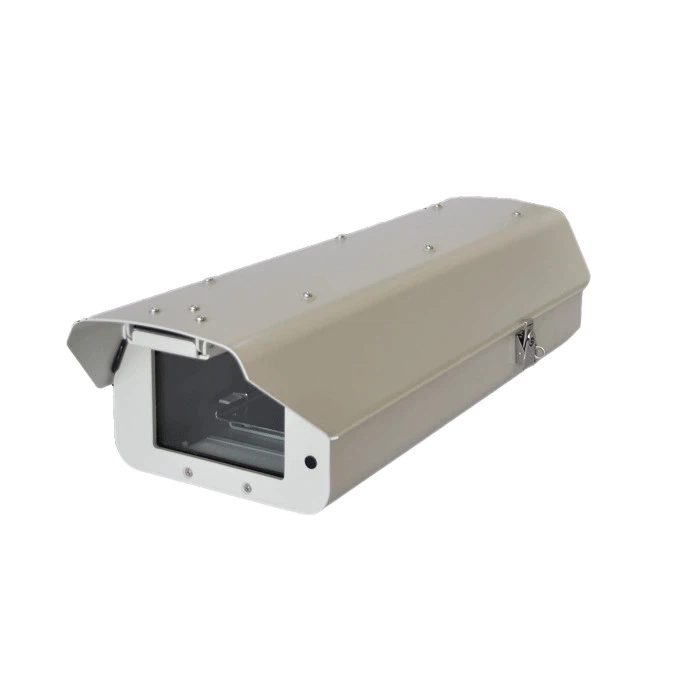

Our Camera Covers and Their Impact on Zoom
At our company, we understand the importance of maintaining the zoom functionality of cameras. That's why we offer a wide range of camera covers designed with the highest standards in mind.
For instance, our Waterproof Medium Size Digital Camera Housing with Light for Security Cameras is made from high - grade polycarbonate. This material has excellent optical clarity, ensuring that it doesn't significantly interfere with the light rays reaching the camera lens. The cover is also treated with an anti - reflective coating, which minimizes glare and ghosting, allowing for clear images even when using the zoom function.
Our 7 Inch Dome Security Camera Housing is another great option. It is engineered to have an optimal thickness that balances protection and optical performance. The design of the dome ensures that light is evenly distributed, and the camera's zoom function can operate smoothly.
If you need a more heavy - duty option, our Waterproof Double Cabin Camera Housing with Optional Glass and Sunshield for Security Camera System is a top choice. The optional glass is made from tempered glass, which has high optical quality. The sunshield helps to reduce the impact of direct sunlight, which can cause problems with the zoom function due to overexposure and glare.
Case Studies
To further illustrate the point, let's look at a few case studies. A security firm was using cameras with low - quality camera covers. They noticed that when they tried to zoom in on distant objects, the images were often blurry and lacked detail. After replacing the camera covers with our high - quality products, they reported a significant improvement in the zoom performance. The images were sharper, and they were able to clearly identify objects at greater distances.
In a photography studio, photographers were using camera covers that were too thick. When they used the zoom on their cameras, the autofocus was inconsistent, and the images were often out of focus. Switching to our camera covers with the right thickness and optical properties solved these problems, allowing them to capture high - quality zoomed - in shots.
Conclusion
In conclusion, camera covers can indeed affect the zoom function of a camera, but the degree of impact depends on several factors such as material, thickness, and coating. As a camera cover provider, we are committed to offering products that minimize these negative effects and enhance the overall performance of your cameras.
If you are in the market for camera covers and want to ensure that your camera's zoom function remains unaffected, we invite you to explore our range of products. We are always ready to assist you in choosing the right camera cover for your specific needs. Contact us to start a procurement discussion and find the perfect camera cover solution for your cameras.
References
- Smith, J. (2018). "Optical Properties of Camera Cover Materials". Journal of Optical Science.
- Johnson, A. (2019). "The Impact of Camera Cover Thickness on Image Quality". Photography Research Quarterly.
- Brown, R. (2020). "Coatings for Camera Covers: A Review". Security Technology Journal.


