

As a supplier of Vehicle PTZ (Pan-Tilt-Zoom) Cameras, I often encounter inquiries regarding the feasibility of using these cameras in construction vehicles. This blog post aims to explore the potential applications, benefits, challenges, and considerations when integrating Vehicle PTZ Cameras into construction machinery and vehicles.
Potential Applications in Construction Vehicles
Construction sites are dynamic environments with a wide range of tasks and hazards. Vehicle PTZ Cameras can play a crucial role in enhancing safety, efficiency, and productivity on these sites. Here are some of the key applications:
1. Safety Monitoring
Safety is paramount on construction sites. Vehicle PTZ Cameras can be used to monitor blind spots around construction vehicles, such as excavators, bulldozers, and dump trucks. By providing a 360 - degree view, these cameras help operators avoid collisions with pedestrians, other vehicles, and obstacles. For example, when a dump truck is backing up, the PTZ camera can be tilted and panned to provide a clear view of the area behind the vehicle, reducing the risk of accidents.
2. Worksite Surveillance
Construction sites often span large areas, and it can be challenging to monitor all activities in real - time. Vehicle PTZ Cameras can be installed on mobile construction vehicles to provide surveillance of the worksite. Operators can remotely control the camera's pan, tilt, and zoom functions to focus on specific areas of interest, such as the progress of a building foundation, the movement of materials, or the activities of workers. This helps project managers keep track of the project's progress and ensure compliance with safety and quality standards.
3. Equipment Inspection
Regular inspection of construction equipment is essential to ensure its proper functioning and prevent breakdowns. Vehicle PTZ Cameras can be used to inspect hard - to - reach areas of construction vehicles, such as the engine compartment, hydraulic systems, and undercarriage. The camera's zoom function allows operators to get a close - up view of components, making it easier to detect signs of wear, damage, or leaks.

Benefits of Using Vehicle PTZ Cameras in Construction Vehicles
1. Enhanced Safety
As mentioned earlier, Vehicle PTZ Cameras help reduce the risk of accidents by providing operators with a better view of their surroundings. This not only protects the lives of workers but also minimizes property damage and liability for construction companies.
2. Increased Efficiency
By enabling operators to monitor worksite activities more effectively, Vehicle PTZ Cameras can improve the efficiency of construction projects. For example, operators can quickly identify and address issues such as material shortages or equipment malfunctions, reducing downtime and keeping the project on schedule.
3. Cost - Savings
Investing in Vehicle PTZ Cameras can lead to long - term cost savings. By preventing accidents and equipment breakdowns, construction companies can avoid costly repairs, insurance claims, and project delays. Additionally, the ability to remotely monitor worksite activities can reduce the need for on - site supervision, saving labor costs.
4. Improved Documentation
Vehicle PTZ Cameras can be used to record worksite activities for documentation purposes. This can be useful for project reporting, quality control, and legal compliance. In case of disputes or accidents, the recorded footage can provide valuable evidence.
Challenges and Considerations
1. Environmental Conditions
Construction sites are often exposed to harsh environmental conditions, such as dust, dirt, moisture, and extreme temperatures. Vehicle PTZ Cameras need to be rugged and weather - resistant to withstand these conditions. They should also be equipped with features such as anti - fogging and anti - icing to ensure clear visibility in all weather conditions.
2. Vibration and Shock
Construction vehicles are subject to significant vibration and shock during operation. This can affect the performance and durability of Vehicle PTZ Cameras. Cameras need to be designed with vibration - damping mechanisms and shock - resistant components to ensure reliable operation.
3. Power Supply
Construction vehicles have different power requirements, and Vehicle PTZ Cameras need to be compatible with the vehicle's electrical system. They should also be energy - efficient to minimize the impact on the vehicle's battery life.
4. Integration with Vehicle Systems
Integrating Vehicle PTZ Cameras with other vehicle systems, such as the vehicle's control panel or monitoring system, can be a complex task. Compatibility issues need to be addressed to ensure seamless operation and data sharing between the camera and other systems.
Our Vehicle PTZ Camera Solutions
At our company, we offer a range of Vehicle PTZ Camera solutions designed specifically for construction vehicles. Our cameras are built to withstand the harsh environmental conditions and vibrations commonly found on construction sites.
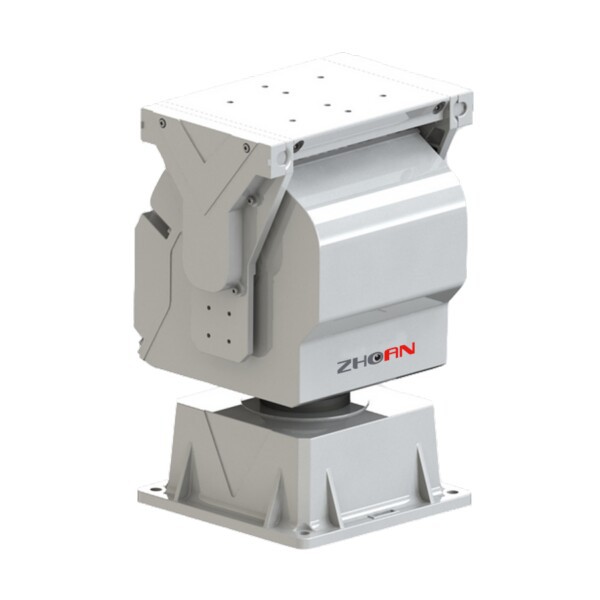
We have the Medium Duty Payload 15kg High Speed Pan Tilt Unit with OEM Service for Outdoor Surveillance Camera, which is suitable for medium - sized construction vehicles. It has a high - speed pan - tilt mechanism and can support a payload of up to 15kg, making it ideal for mounting various types of cameras.
For heavy - duty construction vehicles, our Outdoor Heavy Duty Intelligent Variable Speed Pan Tilt is a great choice. It is designed to handle the toughest environmental conditions and provides intelligent variable - speed control for smooth and precise operation.
In addition, our Vehicle Load PTZ Camera Applied To Robot offers advanced features and can be easily integrated into robotic construction vehicles for autonomous operation.
Conclusion
In conclusion, Vehicle PTZ Cameras can be effectively used in construction vehicles to enhance safety, increase efficiency, and improve overall project management. While there are some challenges and considerations to address, the benefits far outweigh the drawbacks.
If you are interested in learning more about our Vehicle PTZ Camera solutions for construction vehicles or would like to discuss a specific project, we encourage you to contact us for a detailed consultation. Our team of experts is ready to help you find the best camera solution for your needs.
References
- Construction Safety Handbook, various authors
- Handbook of Vehicle Electronics, multiple contributors


