

Hey there, wildlife enthusiasts and fellow nature lovers! As a supplier of Hidden PTZ cameras, I often get asked if these cameras can be used for wildlife monitoring. And let me tell you, the answer is a resounding yes! In this blog post, I'll dive into the ins and outs of using Hidden PTZ cameras for wildlife monitoring, sharing some of the benefits, challenges, and real-world applications.
First off, let's talk about what a Hidden PTZ camera is. PTZ stands for Pan, Tilt, and Zoom, which means these cameras can move horizontally (pan), vertically (tilt), and zoom in and out. The "hidden" part refers to the camera's ability to be discreetly placed in the environment, allowing for unobtrusive monitoring. These cameras are typically equipped with high-resolution sensors, night vision capabilities, and sometimes even advanced features like motion detection and facial recognition.
One of the biggest advantages of using a Hidden PTZ camera for wildlife monitoring is the flexibility it offers. With the ability to pan, tilt, and zoom, you can cover a large area without having to install multiple cameras. This is especially useful in wildlife habitats where space is limited or where animals move around a lot. For example, if you're monitoring a large bird colony, you can use a single Hidden PTZ camera to keep an eye on the entire area, zooming in on individual birds when needed.
Another benefit is the ability to capture high-quality footage. Hidden PTZ cameras are often equipped with high-resolution sensors and advanced lenses, which means you can get clear, detailed images and videos of the wildlife you're monitoring. This is important for research purposes, as it allows scientists to study the behavior, anatomy, and movement patterns of animals in their natural habitat.
In addition to flexibility and high-quality footage, Hidden PTZ cameras also offer the advantage of being discreet. Unlike traditional cameras, which can be easily spotted by animals, Hidden PTZ cameras can be hidden in trees, bushes, or other natural structures, allowing for unobtrusive monitoring. This is important because it reduces the impact on the animals' behavior, allowing you to observe them in their natural state.
However, using a Hidden PTZ camera for wildlife monitoring also comes with some challenges. One of the biggest challenges is the cost. Hidden PTZ cameras can be expensive, especially if you need to purchase multiple cameras or if you require advanced features like night vision or motion detection. Additionally, the installation and maintenance of these cameras can also be costly, as they require specialized equipment and expertise.
Another challenge is the technical complexity. Hidden PTZ cameras are often equipped with advanced features and technologies, which means they can be difficult to set up and operate. This is especially true if you're not familiar with the technology or if you don't have the necessary technical skills. Additionally, the cameras may require regular maintenance and updates to ensure they're working properly.
Despite these challenges, there are many real-world applications for Hidden PTZ cameras in wildlife monitoring. For example, these cameras are often used by wildlife researchers to study the behavior and movement patterns of animals in their natural habitat. They can also be used by conservationists to monitor endangered species and to track the impact of human activities on wildlife populations.
In addition to research and conservation, Hidden PTZ cameras can also be used for wildlife tourism. Many wildlife parks and reserves offer guided tours where visitors can observe animals in their natural habitat. By using Hidden PTZ cameras, these parks and reserves can provide visitors with a more immersive and educational experience, allowing them to see animals up close and in real-time.
If you're interested in using a Hidden PTZ camera for wildlife monitoring, there are a few things you should keep in mind. First, make sure you choose a camera that is suitable for your specific needs and requirements. Consider factors like the size of the area you need to monitor, the type of wildlife you're interested in, and the level of detail you require.
Second, make sure you have the necessary technical skills and expertise to set up and operate the camera. If you're not familiar with the technology, consider hiring a professional installer or technician to help you.
Finally, make sure you follow all local laws and regulations regarding wildlife monitoring. In some areas, it may be illegal to use cameras to monitor wildlife without a permit or license.
In conclusion, Hidden PTZ cameras can be a valuable tool for wildlife monitoring. They offer flexibility, high-quality footage, and the ability to be discreet, making them ideal for a variety of applications. However, they also come with some challenges, such as cost and technical complexity. If you're interested in using a Hidden PTZ camera for wildlife monitoring, make sure you do your research and choose a camera that is suitable for your specific needs and requirements.

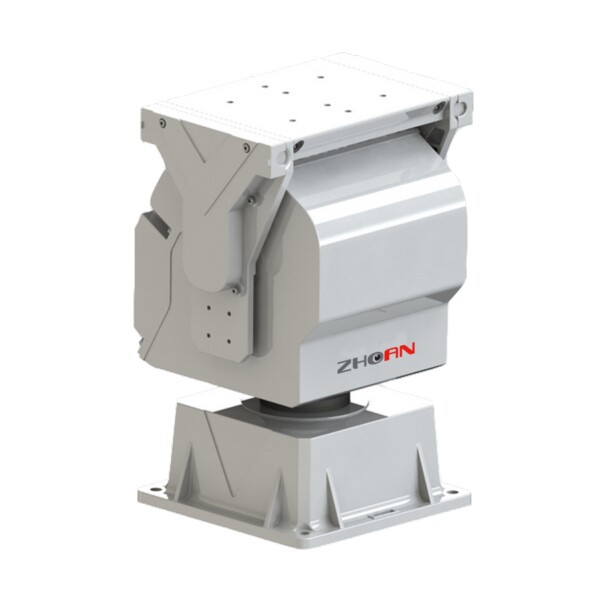
If you're looking for a reliable Hidden PTZ camera for your wildlife monitoring project, we've got you covered. Our cameras are equipped with the latest technology and features, ensuring you get the best possible results. Whether you need a Motorized Pan & Tilt Camera Mount, a 316 Stainless Steel EXD II CT6 Explosion-proof Pan Tilt Head for Hazardous Areas, or an Outdoor Heavy Duty Intelligent Variable Speed Pan Tilt, we have the perfect solution for you.
If you're interested in learning more about our products or if you have any questions, please don't hesitate to contact us. We'd love to discuss your project and help you find the right camera for your needs. Let's work together to make your wildlife monitoring project a success!
References
- Wildlife Monitoring Techniques: A Practical Guide, Second Edition by David W. Macdonald, Roland Kays, and C. John Krebs
- Camera Traps in Animal Ecology: Methods and Analyses by Roland Kays, Jim Nichols, and David W. Macdonald
- Monitoring Vertebrate Populations by James D. Nichols and Gary C. White


