

As a supplier of dome camera housings, I often receive inquiries from customers in various environments. One question that has come up more frequently lately is whether a dome camera housing can be used in a high - altitude area. In this blog, I'll delve into this topic, considering the unique challenges of high - altitude regions and how our dome camera housings can potentially meet those needs.
Understanding High - Altitude Environments
High - altitude areas present a set of environmental conditions that are quite different from those at lower elevations. The most prominent factors include lower air pressure, extreme temperature variations, high levels of ultraviolet (UV) radiation, and sometimes, high winds and snowfall.

Lower air pressure at high altitudes can affect the mechanical and electrical components of a camera housing. The reduced air pressure may cause air to expand inside sealed enclosures, potentially leading to leaks or damage to the housing structure over time. This is a critical concern as any breach in the housing can expose the camera to dust, moisture, and other contaminants, which can severely impact its performance and lifespan.
Temperature variations in high - altitude areas are often extreme. During the day, the sun can heat the housing significantly, while at night, temperatures can drop to well below freezing. These rapid and large - scale temperature changes can cause materials to expand and contract, which may lead to cracks or loosening of components within the housing.
High - altitude regions also receive more intense UV radiation. Prolonged exposure to UV rays can degrade the materials of the camera housing, causing discoloration, embrittlement, and a reduction in the housing's structural integrity.
Features of Our Dome Camera Housings
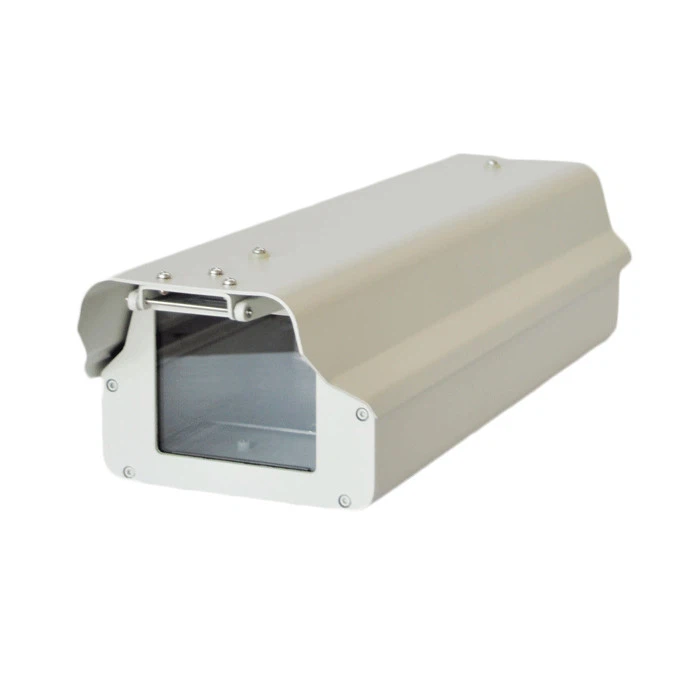
Our company offers a range of dome camera housings designed to withstand harsh environmental conditions. For example, our Outdoor IP66 Large Size Digital Camera Housing with Swiper for Video Surveillance Camera is built with high - quality materials that are resistant to the challenges of high - altitude areas.
The IP66 rating indicates that the housing is dust - tight and protected against powerful water jets. This means that even in high - altitude areas where dust storms or heavy snowmelt can occur, the camera inside the housing will be well - protected. The swiper feature is also beneficial in areas where snow or ice may accumulate on the dome, ensuring clear visibility for the camera at all times.
Our 7 Inch Dome Security Camera Housing is another product that can be suitable for high - altitude use. It is made from materials that are designed to resist UV radiation. The housing's design also takes into account the thermal expansion and contraction issues caused by temperature variations. It has a flexible structure that can adapt to changes in temperature without compromising its integrity.
The Outdoor Waterproof Small Size Camera Housing for PTZ Camera is ideal for high - altitude applications where space may be limited. Despite its small size, it offers excellent waterproofing and protection against the elements. It is also built to withstand the mechanical stress caused by high winds, which are common in high - altitude regions.
Testing and Adaptation
Before marketing our products for high - altitude use, we conduct a series of tests to ensure their performance. We simulate high - altitude conditions in our laboratories, including low air pressure, extreme temperature variations, and high UV exposure.
In the low - pressure tests, we place the camera housings in a chamber where the air pressure is reduced to mimic high - altitude conditions. We monitor the housing for any signs of leakage or structural damage over an extended period. This helps us identify any weak points in the design and make necessary improvements.
For temperature testing, we subject the housings to a cycle of heating and cooling. The temperature range is set to cover the typical variations found in high - altitude areas. We check for any changes in the housing's dimensions, as well as the functionality of any internal components such as heaters or fans.
UV exposure tests are also crucial. We use special UV lamps to expose the housings to intense UV radiation for a prolonged period. This allows us to evaluate the long - term effects of UV on the housing's materials and finish.
Considerations for Installation and Maintenance
When installing dome camera housings in high - altitude areas, there are several important considerations. First, the installation site should be carefully selected. It should be sheltered from direct exposure to high winds and should have good drainage to prevent water accumulation around the housing.
Proper mounting is also essential. The housing should be securely attached to a stable surface to prevent it from being shaken or dislodged by strong winds. Additionally, all electrical connections should be properly sealed to prevent moisture ingress.
Maintenance is an ongoing process. Regular inspections of the housing are necessary to check for any signs of damage, such as cracks, loose fittings, or degradation of the sealing gaskets. If any issues are detected, they should be addressed immediately to ensure the continued performance of the camera.
Case Studies
There have been successful installations of our dome camera housings in high - altitude areas. For example, in a mountainous region where a hydro - power plant was under construction, our cameras were installed to monitor the progress and security of the site. Despite the harsh environmental conditions, including low air pressure, extreme temperature variations, and high UV exposure, the camera housings have been performing well for several years.
The cameras have provided continuous and clear video surveillance, allowing the project managers to keep a close eye on the construction activities and ensure the safety of the workers. This real - world example demonstrates the reliability of our dome camera housings in high - altitude environments.
Conclusion
In conclusion, our dome camera housings can indeed be used in high - altitude areas. With their robust design, high - quality materials, and rigorous testing, they are well - equipped to handle the unique challenges presented by these environments.
If you are considering installing surveillance cameras in a high - altitude area, we invite you to explore our range of dome camera housings. Whether you need a large - size housing for a wide - area surveillance or a small - size housing for a specific point of interest, we have the right solution for you. Contact us to discuss your specific requirements and start a procurement negotiation. We are committed to providing you with the best products and services to meet your surveillance needs in high - altitude regions.
References
- "Environmental Engineering for High - Altitude Applications", Journal of Environmental Science and Technology
- "Materials Science in Harsh Environments", Proceedings of the International Materials Conference


