

Can a Dome Camera Cover be Used in a Chemical - Laden Environment?
As a supplier of dome camera covers, I often receive inquiries from customers about the suitability of our products in various challenging environments. One question that comes up frequently is whether a dome camera cover can be used in a chemical - laden environment. In this blog, I'll delve into this topic and provide some insights based on our experience and industry knowledge.
Understanding Chemical - Laden Environments
Chemical - laden environments can vary widely in terms of the types of chemicals present, their concentrations, and the conditions under which they are used. These environments can include industrial facilities such as chemical plants, refineries, and laboratories, as well as other settings where chemicals are stored, handled, or processed.
The chemicals found in these environments can range from corrosive acids and alkalis to solvents, gases, and particulate matter. Exposure to these chemicals can have a significant impact on the performance and lifespan of a dome camera cover. For example, corrosive chemicals can eat away at the materials of the cover, causing it to degrade and lose its protective properties. Solvents can dissolve certain plastics or coatings, while gases and particulate matter can cause abrasion or block the camera's view.
Material Considerations for Dome Camera Covers in Chemical - Laden Environments
When it comes to using a dome camera cover in a chemical - laden environment, the choice of materials is crucial. Different materials have different levels of resistance to chemicals, and selecting the right material can make a big difference in the performance and durability of the cover.
- Polycarbonate: Polycarbonate is a popular choice for dome camera covers due to its high impact resistance and optical clarity. It also has good resistance to many chemicals, including some acids, alkalis, and solvents. However, it may not be suitable for use in environments with highly concentrated or aggressive chemicals. For example, polycarbonate can be attacked by certain solvents, such as acetone, which can cause it to crack or become cloudy.
- Acrylic: Acrylic is another common material for dome camera covers. It has good optical properties and is relatively resistant to chemicals. However, like polycarbonate, it may not be suitable for use in environments with highly corrosive chemicals. Acrylic can be affected by some solvents and may become brittle over time when exposed to certain chemicals.
- Stainless Steel: Stainless steel is a very durable and corrosion - resistant material. It can withstand exposure to a wide range of chemicals, including acids, alkalis, and salts. Stainless steel dome camera covers are often used in harsh industrial environments where chemical resistance is a top priority. However, they may be more expensive than plastic covers and may not offer the same level of optical clarity.
- Fiberglass - Reinforced Plastic (FRP): FRP is a composite material that combines the strength of fiberglass with the corrosion resistance of plastic. It is lightweight, strong, and has good chemical resistance. FRP dome camera covers are suitable for use in many chemical - laden environments and can provide a cost - effective alternative to stainless steel covers.
Additional Protective Features
In addition to choosing the right material, there are other features that can enhance the chemical resistance of a dome camera cover.
- Coatings: Some dome camera covers are coated with special chemicals or materials to provide additional protection against corrosion and chemical attack. For example, a hydrophobic coating can repel water and prevent the formation of chemical - laden droplets on the surface of the cover. An anti - static coating can reduce the attraction of dust and particulate matter, which can carry chemicals.
- Sealing: A well - sealed dome camera cover can prevent chemicals from entering the interior of the cover and damaging the camera. Gaskets and seals made from chemical - resistant materials, such as silicone or Viton, can be used to ensure a tight seal.
- Ventilation: In some cases, ventilation can be important to prevent the build - up of chemicals inside the dome camera cover. Proper ventilation can help to remove any chemical vapors or gases that may accumulate, reducing the risk of damage to the camera and the cover.
Case Studies and Real - World Applications
To illustrate the effectiveness of dome camera covers in chemical - laden environments, let's look at a few case studies.
- Chemical Plant: A chemical plant was experiencing problems with their surveillance cameras due to the corrosive nature of the chemicals in the environment. The plastic dome camera covers they were using were deteriorating quickly, causing the cameras to malfunction. After switching to stainless steel dome camera covers, the plant saw a significant improvement in the performance and lifespan of their cameras. The stainless steel covers were able to withstand the harsh chemicals and provided reliable protection for the cameras.
- Laboratory: A laboratory needed to install surveillance cameras in an area where chemicals were being handled. They were concerned about the potential damage to the cameras from chemical spills and vapors. They chose dome camera covers made from FRP, which offered good chemical resistance and were lightweight and easy to install. The FRP covers have been performing well, protecting the cameras from chemical exposure and ensuring clear surveillance footage.
Our Product Offerings
At our company, we offer a range of dome camera covers that are suitable for use in various environments, including chemical - laden environments. Our Customized Dome Camera Housing can be tailored to meet the specific requirements of your application. We can choose the right material, add protective coatings, and ensure a proper seal to provide the best possible protection for your cameras.
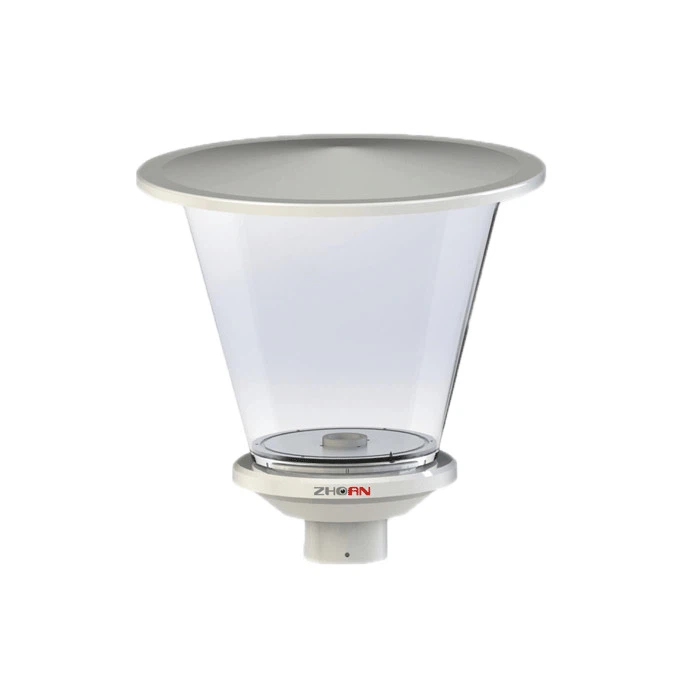
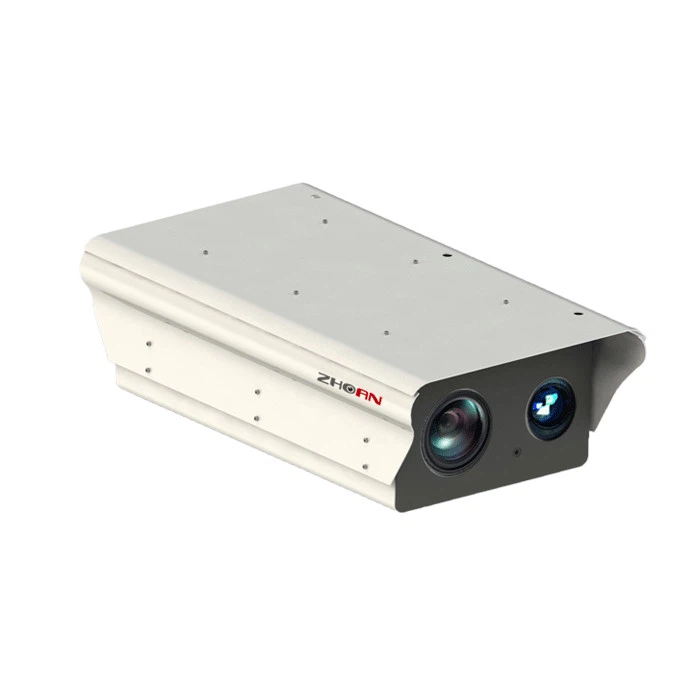
In addition, we also offer Outdoor Waterproof Small Size Camera Housing for PTZ Camera and Waterproof Double Cabin Camera Housing with Optional Glass and Sunshield for Security Camera System, which can be used in chemical - laden outdoor environments. These housings are designed to provide protection against water, dust, and chemicals, ensuring reliable operation of your cameras.
Conclusion
In conclusion, a dome camera cover can be used in a chemical - laden environment, but it is important to choose the right material and consider additional protective features. By understanding the types of chemicals present in the environment and selecting a suitable dome camera cover, you can ensure the long - term performance and reliability of your surveillance cameras.
If you are interested in our dome camera covers or have any questions about using them in a chemical - laden environment, please feel free to contact us. We are happy to discuss your specific requirements and provide you with the best solutions for your surveillance needs.
References
- "Handbook of Plastics, Elastomers, and Composites", Third Edition, by Charles A. Harper
- "Corrosion Resistance of Engineering Materials", by Pierre R. Roberge
- Industry standards and guidelines related to camera housing in chemical environments.


