

As a seasoned supplier of camera housings, I've encountered numerous inquiries regarding the viability of using camera housings in extreme temperatures. This topic is of paramount importance, especially for industries that rely on surveillance and monitoring in harsh environmental conditions. In this blog, I'll delve into the science behind camera housing performance in extreme temperatures, explore the challenges, and highlight our suitable products for such scenarios.
Understanding the Impact of Extreme Temperatures on Camera Housings
Extreme temperatures, whether extremely hot or cold, can significantly affect the functionality and longevity of camera housings. Let's first examine the effects of high temperatures. When exposed to excessive heat, the materials used in camera housings can expand. This expansion can lead to structural stress, potentially causing cracks or deformities in the housing. Moreover, high temperatures can also impact the internal components of the camera. The electronic circuits may overheat, leading to malfunctions or even permanent damage. The lens of the camera can also be affected, as the heat can cause the lens coating to degrade, resulting in reduced image quality.
On the other hand, extremely cold temperatures pose their own set of challenges. Cold weather can cause the materials in the camera housing to contract. This contraction can lead to gaps between different parts of the housing, compromising its waterproof and dustproof capabilities. The lubricants used in moving parts, such as pan-tilt-zoom (PTZ) mechanisms, can thicken or freeze, making it difficult for the camera to operate smoothly. Additionally, the battery life of cameras can be severely reduced in cold temperatures, as the chemical reactions within the battery slow down.
Materials and Design Considerations for Extreme Temperatures
To ensure that camera housings can withstand extreme temperatures, careful selection of materials and design is crucial. For high-temperature environments, materials with high heat resistance are preferred. For instance, some camera housings are made from polycarbonate, which has excellent heat resistance properties. Polycarbonate can maintain its structural integrity even at relatively high temperatures, reducing the risk of expansion-related damage.
In cold environments, materials that are flexible at low temperatures are essential. Rubber gaskets and seals play a vital role in maintaining the waterproof and dustproof properties of the camera housing. These gaskets need to remain pliable in cold weather to prevent gaps from forming. Additionally, the design of the camera housing should incorporate features that help to insulate the internal components. This can include double-walled construction or the use of insulating materials.
Our Suitable Products for Extreme Temperatures
At our company, we offer a range of camera housings that are designed to perform well in extreme temperatures.
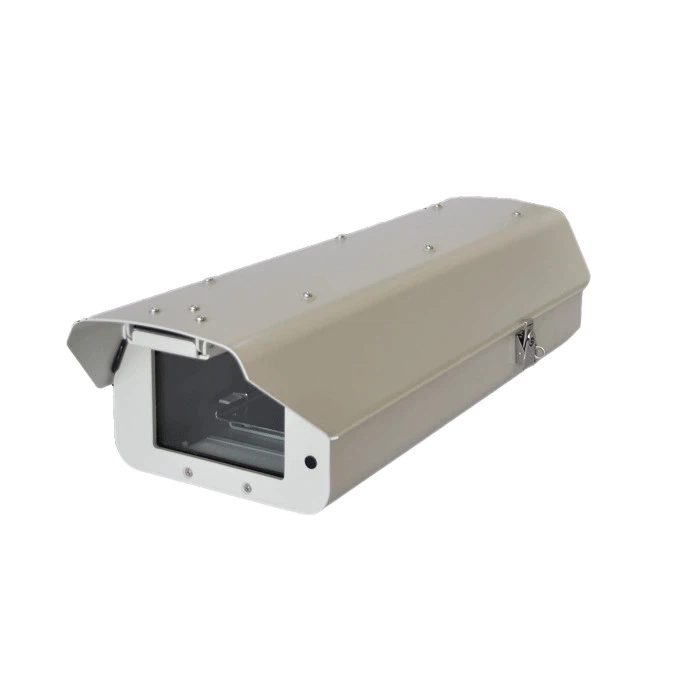
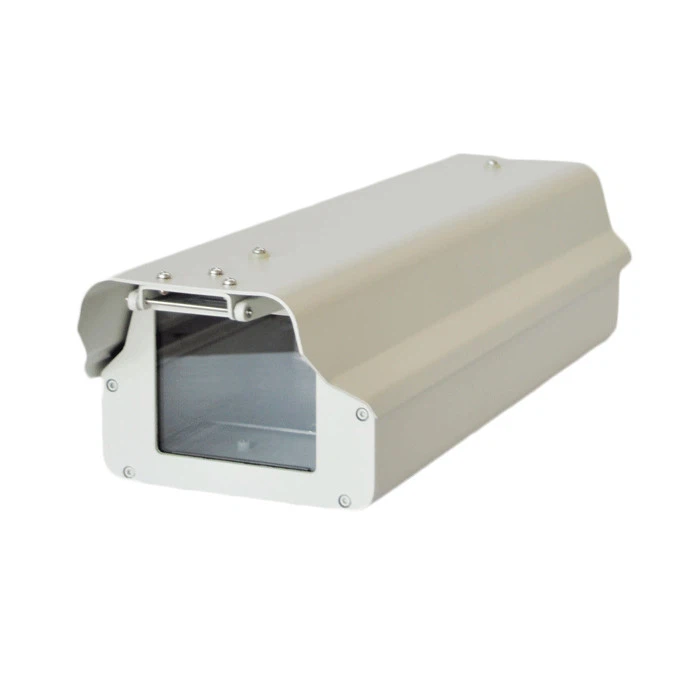
The Outdoor Waterproof Small Size Camera Housing for PTZ Camera is an excellent choice for applications where space is limited. This housing is made from high-quality materials that can withstand both high and low temperatures. It features a robust design that provides protection against water, dust, and extreme weather conditions. The small size makes it ideal for discreet surveillance in various outdoor settings.
For those who require a medium-sized housing, our Waterproof Medium Size Digital Camera Housing with Light for Security Cameras is a great option. This housing comes equipped with a built-in light, which is useful for low-light conditions. The materials used in its construction are carefully selected to ensure durability in extreme temperatures. It also has excellent waterproof and dustproof ratings, making it suitable for long-term outdoor use.
If you need a large-sized housing for video surveillance cameras, our Outdoor IP66 Large Size Digital Camera Housing with Swiper for Video Surveillance Camera is the answer. This housing has an IP66 rating, which means it is highly resistant to water and dust. The swiper feature helps to keep the lens clean, ensuring clear video footage. It is designed to withstand extreme temperatures, making it suitable for use in harsh industrial or outdoor environments.
Testing and Certification
To guarantee the performance of our camera housings in extreme temperatures, we conduct rigorous testing. Our products are tested in climate chambers, where they are exposed to a wide range of temperatures and humidity levels. This allows us to simulate real-world conditions and identify any potential issues.
In addition to our in-house testing, our camera housings also meet various industry standards and certifications. These certifications provide assurance to our customers that our products are reliable and of high quality. For example, some of our housings are certified to meet the requirements of the International Electrotechnical Commission (IEC) for environmental protection.
Conclusion
In conclusion, camera housings can be used in extreme temperatures, but only if they are designed and manufactured with the right materials and features. At our company, we understand the importance of providing high-quality camera housings that can withstand the harshest environmental conditions. Our range of products, including the Outdoor Waterproof Small Size Camera Housing for PTZ Camera, Waterproof Medium Size Digital Camera Housing with Light for Security Cameras, and Outdoor IP66 Large Size Digital Camera Housing with Swiper for Video Surveillance Camera, are designed to meet the needs of customers in various industries.
If you are in need of camera housings for extreme temperature environments, we invite you to contact us for a detailed discussion about your requirements. Our team of experts is ready to assist you in selecting the most suitable product for your specific application.
References
- "Handbook of Plastics, Elastomers, and Composites" by Charles A. Harper
- "Environmental Engineering for Electronic Equipment" by Douglas P. Wright


