

Can a camera cover protect against chemical damage?
Hey there! I'm a supplier of camera covers, and I often get asked this question: Can a camera cover protect against chemical damage? Well, let's dive into this topic and find out.
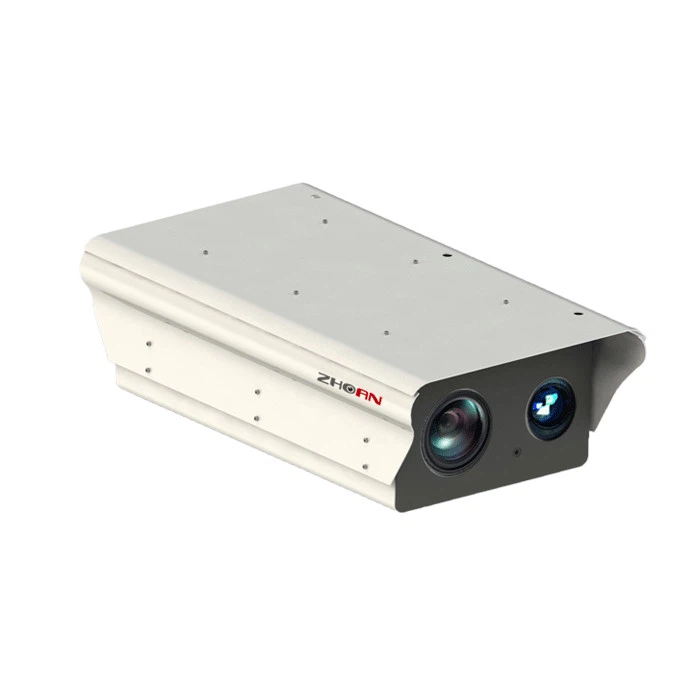

First off, let's understand what kind of chemical damage cameras might face. In industrial settings, cameras can be exposed to all sorts of chemicals like acids, alkalis, solvents, and corrosive gases. These chemicals can eat away at the camera's components, affecting its functionality and reducing its lifespan. Even in more common environments, things like cleaning agents or pollutants in the air can cause some level of chemical wear and tear on cameras.
Now, the big question is whether a camera cover can offer protection. The answer is, it depends. A high - quality camera cover can definitely provide a significant amount of protection, but not all camera covers are created equal.
Let's talk about the materials used in camera covers. Some camera covers are made from plastic materials. Regular plastics might not be very resistant to chemicals. For example, if a camera is placed in an area where it's exposed to strong solvents, a basic plastic cover could start to dissolve or become brittle over time. However, there are specialized plastics that are formulated to be chemical - resistant. These plastics can withstand exposure to a wide range of chemicals without losing their structural integrity.
Another popular material for camera covers is metal. Metals like stainless steel are known for their corrosion - resistance. They can handle exposure to many corrosive chemicals and are a great option for industrial environments. But even stainless steel has its limits. In extremely acidic or alkaline conditions, over a long period, it might start to corrode, although it will take much longer compared to other materials.
As a camera cover supplier, I've seen firsthand the importance of choosing the right cover for the right environment. For instance, if you're using cameras in a chemical plant, you need a cover that's specifically designed to resist the chemicals present in that plant. That's where our Waterproof Double Cabin Camera Housing with Optional Glass and Sunshield for Security Camera System comes in handy. This housing is made from high - quality, chemical - resistant materials. It has a double - cabin design that provides an extra layer of protection. The optional glass can be made from a special type of glass that's also resistant to chemical attack, and the sunshield helps protect the camera from both sunlight and potential chemical - laden mists.
Customization is also a key factor when it comes to protecting cameras from chemical damage. Every environment is different, and the chemicals present can vary widely. That's why we offer Customized Dome Camera Housing. We can work with you to understand the specific chemicals your cameras will be exposed to and then design a cover that's tailored to your needs. Whether it's adjusting the thickness of the material, using a different type of coating, or adding extra seals, we can make sure the cover provides the best possible protection.
Let's take a look at a real - world example. A client of ours had cameras installed in a wastewater treatment plant. The cameras were constantly exposed to a mix of chemicals used in the treatment process, including chlorine and various acids. At first, they were using regular camera covers, and within a few months, the cameras started to malfunction. The covers had become damaged, and the chemicals had seeped in and affected the camera's internal components. After switching to our 7 Inch Dome Security Camera Housing, which is made from a chemical - resistant polymer, the cameras have been working perfectly for over a year now. The cover has withstood the harsh chemical environment and kept the cameras safe.
But it's not just about the material and design of the cover. Proper installation and maintenance also play a crucial role. A poorly installed cover might have gaps where chemicals can enter. And if the cover isn't cleaned regularly, chemicals can build up on the surface and eventually cause damage. We always provide detailed installation instructions and maintenance tips to our customers to ensure that the camera covers work effectively.
In addition to protecting against chemical damage, camera covers also offer other benefits. They can protect the camera from physical damage, like being hit by objects. They can also shield the camera from environmental factors such as dust, water, and extreme temperatures. So, investing in a good camera cover is a smart move for anyone who wants to keep their cameras in top - notch condition.
To sum it up, a camera cover can protect against chemical damage, but you need to choose the right one. Consider the type of chemicals the camera will be exposed to, the environment it will be in, and whether customization is necessary. As a camera cover supplier, we're here to help you make the best choice. If you're in the market for a camera cover that can protect against chemical damage, or if you have any questions about our products, don't hesitate to reach out. We'd love to have a chat and discuss how we can meet your specific needs.
References
- "Handbook of Corrosion Data" by Bruce D. Craig
- "Plastics in Engineering Applications" by John A. Brydson


