

As a camera cover supplier, I often receive inquiries from customers about the performance of camera covers in various environmental conditions, especially cold weather. This blog aims to provide a comprehensive analysis of whether a camera cover can be used in cold weather, exploring the factors involved and offering practical solutions.
Understanding the Impact of Cold Weather on Camera Covers
Cold weather can pose several challenges to camera covers. Firstly, low temperatures can affect the physical properties of the materials used in camera covers. For example, plastics may become brittle, reducing their impact resistance and increasing the risk of cracking. Rubber seals, which are crucial for waterproofing and dust - proofing, can lose their elasticity, leading to gaps that allow moisture and dust to enter the camera housing.
Secondly, extreme cold can cause condensation inside the camera cover. When warm, moist air comes into contact with the cold surface of the camera cover, water vapor condenses into liquid water. This condensation can fog up the camera lens, obstructing the view and degrading the image quality. In severe cases, it may even damage the camera's internal components.
Factors Affecting the Performance of Camera Covers in Cold Weather
Material Selection
The choice of materials for camera covers is of utmost importance. High - quality, cold - resistant plastics such as polycarbonate are often used in camera covers designed for cold environments. Polycarbonate has excellent impact resistance and remains relatively flexible even at low temperatures. Rubber seals made from materials like EPDM (Ethylene Propylene Diene Monomer) are also preferred due to their good low - temperature flexibility and resistance to weathering.
Insulation
Some camera covers are equipped with insulation features to protect the camera from the cold. Insulation can help maintain a more stable temperature inside the camera cover, reducing the risk of condensation and protecting the camera's sensitive electronic components. Insulation materials can include foam or fiberglass, which are lightweight and effective at reducing heat transfer.
Heating Systems
In extremely cold conditions, camera covers may be fitted with heating systems. These systems can prevent the camera lens from freezing and keep the internal temperature of the camera cover within an acceptable range. There are two main types of heating systems: internal heating elements and external heating pads. Internal heating elements are usually installed near the camera lens or inside the camera housing, while external heating pads are attached to the outside of the camera cover.
Our Product Range for Cold Weather Conditions
We offer a wide range of camera covers suitable for cold weather applications.
One of our popular products is the Outdoor Waterproof Small Size Camera Housing for PTZ Camera. This camera cover is made of high - quality polycarbonate, which provides excellent protection against impact and cold temperatures. It also features a tight - fitting rubber seal to prevent moisture and dust from entering. The small size makes it suitable for use in various outdoor locations where space is limited.
Another product is the Waterproof Double Cabin Camera Housing with Optional Glass and Sunshield for Security Camera System. The double - cabin design provides additional insulation, helping to maintain a stable temperature inside the camera cover. The optional glass and sunshield can further protect the camera from harsh weather conditions, including cold winds and snow.
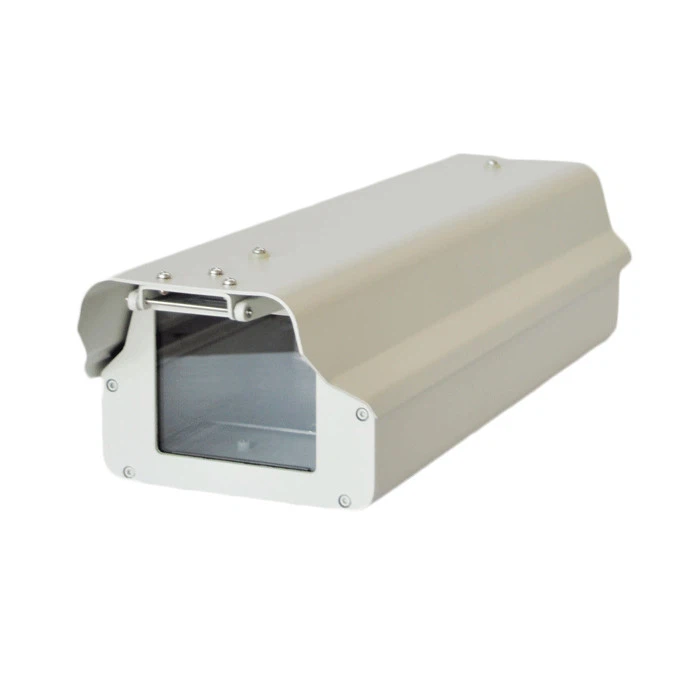

For larger cameras, we recommend the Outdoor IP66 Large Size Digital Camera Housing with Swiper for Video Surveillance Camera. This camera cover has an IP66 rating, which means it is dust - tight and protected against powerful water jets. The built - in swiper can remove snow and ice from the camera lens, ensuring clear visibility even in cold and snowy conditions.
Tips for Using Camera Covers in Cold Weather
Pre - installation Checks
Before installing the camera cover in cold weather, it is essential to check the integrity of the materials. Inspect the camera cover for any signs of damage, such as cracks or loose seals. Make sure all the components are in good working condition.
Regular Maintenance
Regular maintenance is crucial for ensuring the long - term performance of camera covers in cold weather. Clean the camera lens and the exterior of the camera cover regularly to remove dirt, snow, and ice. Check the seals and insulation for any signs of wear and tear, and replace them if necessary.
Monitoring the Temperature
Keep an eye on the temperature inside the camera cover. If possible, install a temperature sensor to monitor the internal temperature. If the temperature drops too low, consider adjusting the heating system or adding additional insulation.
Conclusion
In conclusion, a camera cover can be used in cold weather, but it is essential to choose the right product and take appropriate measures to ensure its performance. Our company, as a professional camera cover supplier, offers a variety of camera covers designed to withstand cold weather conditions. Whether you need a small - size camera cover for a PTZ camera or a large - size camera cover for video surveillance, we have the right solution for you.
If you are interested in our camera covers or have any questions about using them in cold weather, please feel free to contact us for procurement and further discussion. We are committed to providing high - quality products and excellent customer service.
References
- "Handbook of Plastics, Elastomers, and Composites" by Charles A. Harper
- "Materials Science and Engineering: An Introduction" by William D. Callister Jr. and David G. Rethwisch


